To save content items to your account,
please confirm that you agree to abide by our usage policies.
If this is the first time you use this feature, you will be asked to authorise Cambridge Core to connect with your account.
Find out more about saving content to .
To save content items to your Kindle, first ensure no-reply@cambridge.org
is added to your Approved Personal Document E-mail List under your Personal Document Settings
on the Manage Your Content and Devices page of your Amazon account. Then enter the ‘name’ part
of your Kindle email address below.
Find out more about saving to your Kindle.
Note you can select to save to either the @free.kindle.com or @kindle.com variations.
‘@free.kindle.com’ emails are free but can only be saved to your device when it is connected to wi-fi.
‘@kindle.com’ emails can be delivered even when you are not connected to wi-fi, but note that service fees apply.
Transient energy supply remains one of the key challenges limiting the development of transient implantable medical devices for monitoring, diagnosis, and treatment of diseases within a predetermined time frame. A key feature of such devices is their controllable degradation during service life. An on-board transient energy supply with predictable performance over time is required to drive transient electronics. In this article, we present recent advances in the development of materials for biodegradable energy-storage devices (batteries and supercapacitors) and biodegradable energy-harvesting systems (enzymatic biofuel cells and triboelectric nanogenerators). Future perspectives, challenges, and opportunities related to energy materials for transient power sources will also be summarized.
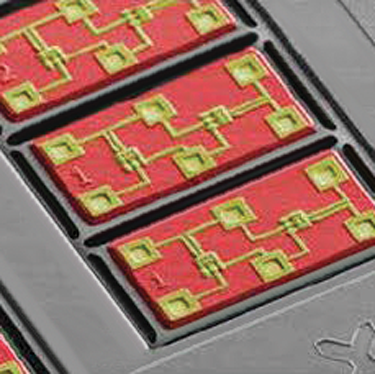
Transient electronics represents recent technology that can partially or completely degrade, dissolve, or disintegrate under certain conditions in actively and passively controlled ways. They offer applications as eco-friendly alternatives to existing electronic components, implantable biomedical devices, and software/hardware protection systems. The degradable characteristics of materials and circuits, however, lead to various fabrication issues and difficulties in manufacturing complex systems requiring fine and elaborate design layouts and microfabrication procedures under thermally and chemically harsh conditions. Identifying advanced materials and the development of manufacturing processes compatible with established transient materials have been conducted for several years to address these issues. In this article, we focus on recent trends in manufacturing technologies for transient electronic systems, including direct fabrication of electronics on transient substrates using organic–inorganic electronic materials, screen-printing approaches particularly for conductive traces, microfabrication combined with multiple transfer-printing techniques, and large-scale, foundry-compatible technologies.
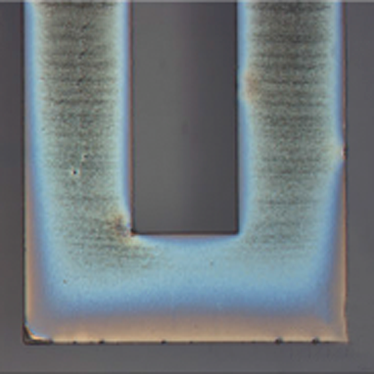
Precise control of the life cycle of materials has become critical. Long-lasting materials are not always the best—for example, nondegradable plastic waste is now a serious environmental problem. Transient electronic devices have a prescribed life cycle in which all or part of the device can physically dissolve, disappear, or degrade after their utility ends. This concept creates compelling opportunities for biodegradable temporary, implantable electronics that do not require removal; environmentally benign biodegradable electronics with zero waste; and security hardware with on-time system destruction. Nanoscale materials provide new uses for transient materials dissolution by scaling up the rate of degradation; for example, a microscale Si single crystal is not dissoluble, but at around 100 nm, the Si single crystal dissolves in approximately one month. Significant advances have been made in exploring transient, water-soluble, and biodegradable nano-/micromaterials, and their degradation chemistry and kinetics. Advancing the state of the art in transient electronics requires contributions from many disciplines of materials science ranging from materials analysis to applications. This article outlines the history of transient electronics and briefly overviews concepts and issues from inorganic- and organic-based electronic materials, process technology, and energy devices to trigger transient electronics.
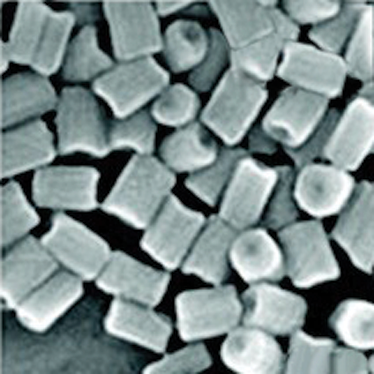
Self-assembly techniques are powerful and efficient methods for the synthesis of nanoscale materials. Using these techniques and their combination with other bottom-up fabrication processes, materials with hierarchical features can be produced with form and function in multiple length scales. We synthesize multifunctional nanoparticles through surfactant-assisted noncovalent interactions using nanoparticle building blocks. Self-assembly of these nano-building blocks results in functional materials that exhibit well-defined morphologies and hierarchical architectures for a wide range of applications. Hierarchically structured porphyrin nanocrystals can be synthesized through surfactant micelle-confined noncovalent interactions of photoactive porphyrins. We can amplify the intrinsic advantages of individual photoactive porphyrins by engineering them into well-defined active nanostructures. Through kinetic control, these nanocrystals exhibit precisely defined size, shape, and spatial arrangement of the individual porphyrins, which facilitates intermolecular mass and energy transfer. These self-assembly techniques provide remarkable flexibility to design morphologies and architectures that produce desirable properties for practical applications including photocatalysis, photodegradation, and phototherapy.
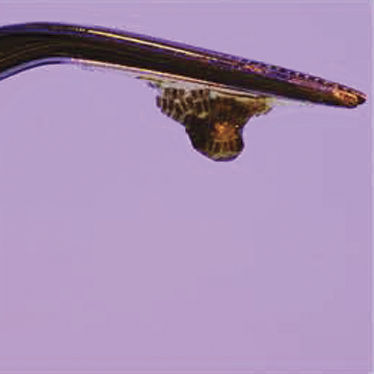
Transient electronic systems represent an emerging class of technology defined by an ability to physically dissolve, sublime, chemically degrade, disintegrate, or transform in a controlled manner, either spontaneously or through a trigger event. Bioresorbable (or, equivalently, bioabsorbable) electronic devices, as a subset of transient technologies, are designed to undergo complete dissolution when immersed in biofluids. Applications include temporary implants and other medical devices that serve important purposes in diagnostics and therapies, but with finite lifetimes matched to those of natural biological processes such as wound healing. Here, transience by bioresorption eliminates the devices without a trace, thereby bypassing the costs, complications, and risks associated with secondary surgical procedures for device retrieval. Such systems demand complete sets of bioresorbable electronic materials, including semiconductors, dielectrics, and conductors, as the fundamental building blocks for functional components. The considerations are not only in electronic performance, but in degradation chemistry and biocompatibility of both the materials and the products of their reactions with biofluids. This article highlights recent progress in this area of materials science and describes some of the most sophisticated bioresorbable electronic systems that combine these materials with bioresorbable polymers, the biomedical applications of these devices, and some directions for future work.
Emerging transient electronics capable of complete physical and chemical disintegration are derived from advanced materials and device design strategies. The area of exploring on-demand smart transient electronics has seen continuous development, allowing for the degradation process to be triggered or controlled through an instantaneous stimulus, thus offering significant potential in data security, undetectable spying, and bioresorbable electronics applications. In this article, we summarize recent progress in the design and strategies of on-demand smart transient electronics and emphasize the basic principles of selecting, processing, and integrating materials. After an introduction to the history and properties of triggered transient electronics, we discuss on-demand smart transient electronics based on their triggering stimuli, strategies for designing thermal, optical, or electrical triggers, and future development trends and challenges.
The National Institute of Standards and Technology (NIST) certifies a suite of Standard Reference Materials (SRMs) to evaluate specific aspects of instrument performance of both X-ray and neutron powder diffractometers. This report describes SRM 660c, the fourth generation of this powder diffraction SRM, which is used primarily for calibrating powder diffractometers with respect to line position and line shape for the determination of the instrument profile function (IPF). It is certified with respect to lattice parameter and consists of approximately 6 g of lanthanum hexaboride (LaB6) powder. So that this SRM would be applicable for the neutron diffraction community, the powder was prepared from an isotopically enriched 11B precursor material. The microstructure of the LaB6 powder was engineered specifically to yield a crystallite size above that where size broadening is typically observed and to minimize the crystallographic defects that lead to strain broadening. A NIST-built diffractometer, incorporating many advanced design features, was used to certify the lattice parameter of the LaB6 powder. Both Type A, statistical, and Type B, systematic, uncertainties have been assigned to yield a certified value for the lattice parameter at 22.5 °C of a = 0.415 682 6 ± 0.000 008 nm (95% confidence).
In this study, the surface morphology of electrospun polycaprolactone (PCL) fibers was investigated. PCL was dissolved in various solvent/nonsolvent systems (acetone/dimethylformamide (DMF), tetrahydrofuran (THF)/DMF, dichloromethane (DCM)/DMF, chloroform (CF)/DMF, acetone/dimethyl sulfoxide (DMSO), THF/DMSO, DCM/DMSO, CF/DMSO) at a fixed ratio of 80/20 v/v. PCL solutions from these solvent systems were electrospun under varying high relative humidity (60–90%), and also room humidity. Characterization of fibers was evaluated by a scanning electron microscope, an atomic force microscope, water contact angle measurements, the Brunauer–Emmett–Teller method, and a strain–stress test. Results revealed that the surface texture of individual fibers changed with the presence of different types of pores and surface roughness depending on both humidity and solvent/nonsolvent properties. Miscibility with water was another factor to be taken into account for understanding mechanisms that contributed to the formation of surface defects. Fibrous materials having such a surface architecture, especially the porous ones, are potential candidates for various applications such as tissue engineering, drug delivery, catalysis, and filtration.
Ba3−xSrxTb3−xCexO9 (x = 1 and 1.5) ceramics (BSTC) with a relative density of 93% and a grain size distribution of 0.2–3 µm were prepared by the mixed-oxides reaction route. The crystalline structures, microstructures, valence states, and electrical properties of two ceramics were analyzed using X-ray powder diffraction (XRPD), scanning electron microscopy (SEM), X-ray photoelectron spectroscopy (XPS), electron paramagnetic resonance (EPR), and electrical measurements. Rietveld analyses of XRPD patterns show that BSTC1 is indexed as a trigonal structure with the space group R-3c, and BSTC3/2 is indexed as an orthorhombic perovskite structure with the space group Pmcn. The EPR, XPS, and electrical conductivity results confirm that Ce and Tb ions in BSTC exist as Ce4+ and mixed-valence states of Tb4+/Tb3+, respectively. At room temperature, the two BSTC ceramics exhibit a similar semiconducting behavior. The relationships between electrical conductivity and temperature/frequency are provided. The defect chemistry is discussed.
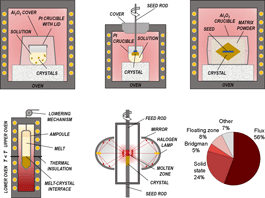
Piezoelectric single crystals based on the perovskite ferroelectric system (K,Na)NbO3 have been widely investigated over the past 20 years due to large piezoelectric coefficients, high transition temperatures, low density, and the nontoxic chemical composition. Various crystal growth methods were examined, including high-temperature solution growth, solid-state crystal growth, Bridgman–Stockbarger method, and the floating zone method. Increased understanding of the crystal growth process and post-growth treatments resulted in improved crystal quality and larger sizes. Recently, crystals with high piezoelectric and electromechanical coupling coefficients exceeding 1000 pC/N and 0.90, respectively, were reported. Moreover, their large potential for high-frequency ultrasonic medical imaging was demonstrated. This work provides a review of the development of piezoelectric (K,Na)NbO3-based single crystals, including their growth, defect chemistry, domain structures, electromechanical properties, and applications. Approaches for reducing growth defects, controlling point defects, and domain engineering are discussed. The remaining open issues are presented and an outlook on the future is provided.
Epitaxial SnSxSe2−x films with tunable band gap energies (1.0–2.2 eV) are of growing interest for photodetectors and 2D heterostructures for nanoscale electronics. In this study, powder vapor transport growth of SnSxSe2−x was investigated on c-plane sapphire and epitaxial graphene (EG)/6H–SiC substrates using tin, sulfur, and selenium powder sources in a heated tube furnace. The SnSxSe2−x composition was controlled by varying the sulfur and selenium source temperatures and the corresponding chalcogen vapor pressure ratio. Raman spectroscopy was used to determine the alloy composition of the films, and the optical properties were characterized using UV-Vis-NIR spectroscopy. SnSxSe2−x grown on sapphire consisted of vertically oriented platelets. By contrast, large-area, planar coalesced SnSxSe2−x films grew on EG with low surface roughness indicative of a van der Waals growth mode. High-resolution X-ray diffraction θ–2θ scans and pole figure analysis confirm that the SnSxSe2−x films are c-axis oriented with epitaxial relation being $\left[ {11\bar{2}0} \right]$ SnSxSe2−x‖$\left[ {10\bar{1}0} \right]$ 6H–SiC.
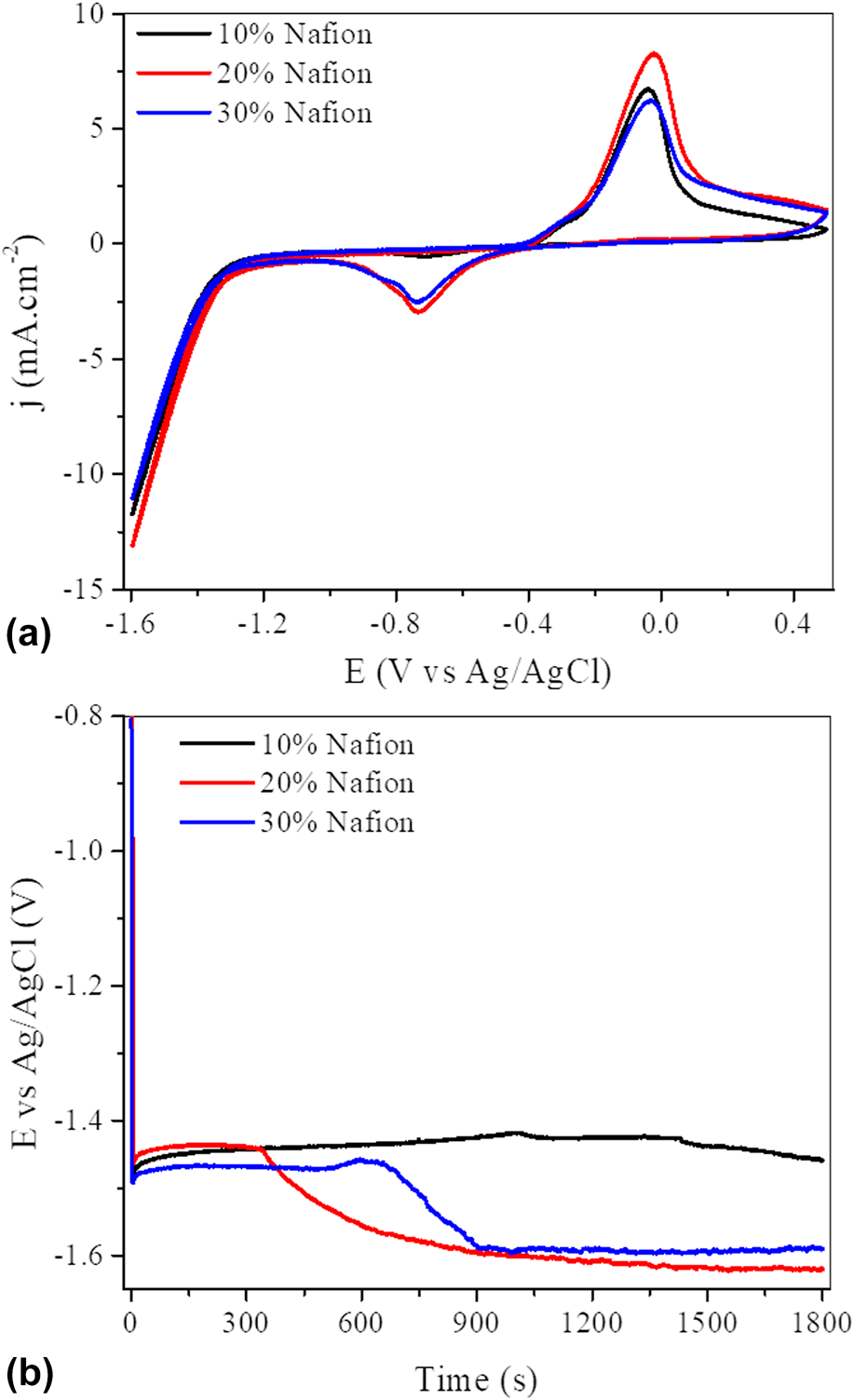
Electrochemical reduction of CO2 to formic acid is a good strategy to address both environmental and energy issues. However, some drawbacks including low activity, selectivity, and stability of electrocatalysts must be overcome. We propose a method for tailoring Bi2O2CO3-coated carbon fiber electrodes with higher selectivity and stability for electrochemical CO2 reduction to formic acid. We evaluated the effect of Bi2O2CO3 and Nafion contents on the electrocatalysts performance for CO2 reduction reaction (CO2RR). All electrodes produced only HCOO− in the liquid phase with a maximum faradaic efficiency (FE) of 69%. The electrocatalysts were stable under 24 h of continuous CO2RR operation. The FE increased with the increasing electrolyte concentration and cation radius size, which indicates that the anion stabilization in solution is critical for adequate formate generation. The CO2RR mechanism was proposed with basis on the literature. The structural carbonate of Bi2O2CO3 acts as an intermediate species in the formate production from CO2.