To save content items to your account,
please confirm that you agree to abide by our usage policies.
If this is the first time you use this feature, you will be asked to authorise Cambridge Core to connect with your account.
Find out more about saving content to .
To save content items to your Kindle, first ensure no-reply@cambridge.org
is added to your Approved Personal Document E-mail List under your Personal Document Settings
on the Manage Your Content and Devices page of your Amazon account. Then enter the ‘name’ part
of your Kindle email address below.
Find out more about saving to your Kindle.
Note you can select to save to either the @free.kindle.com or @kindle.com variations.
‘@free.kindle.com’ emails are free but can only be saved to your device when it is connected to wi-fi.
‘@kindle.com’ emails can be delivered even when you are not connected to wi-fi, but note that service fees apply.
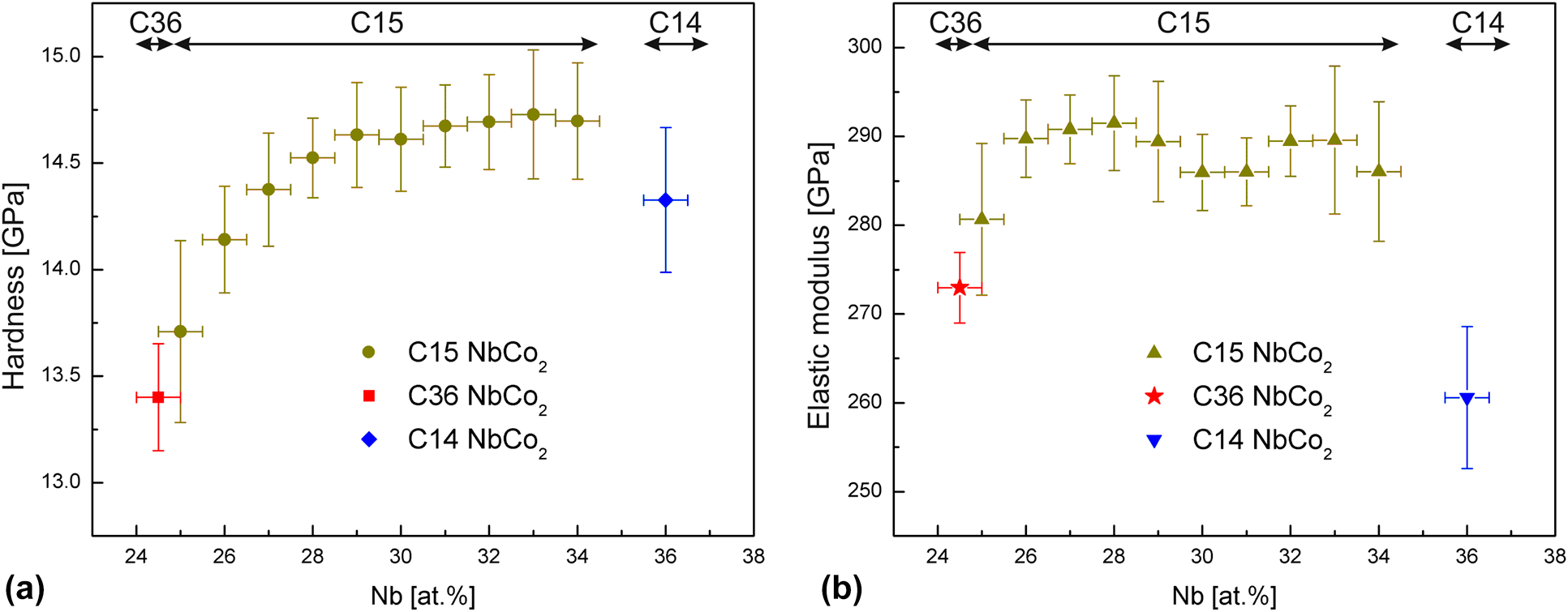
Regarding the effect of composition on the mechanical properties of intermetallic phases such as Laves phases, there is conflicting information in the literature. Some authors observed defect hardening when deviating from stoichiometric Laves phase composition, whereas others find defect softening. Here, we present a systematic investigation of the defect state, hardness, and elastic modulus of cubic and hexagonal NbCo2 Laves phases as a function of crystal structure and composition. For this purpose, diffusion couples were prepared which exhibit diffusion layers of the cubic C15 and hexagonal C14 and C36 NbCo2 Laves phases, with concentration gradients covering their entire homogeneity ranges from 24 to 37 at.% Nb. Direct observations of dislocations and stacking faults in the diffusion layers as a function of composition were performed by electron channeling contrast imaging, and the hardness and elastic modulus were probed in the diffusion layers along the concentration gradients by nanoindentation.
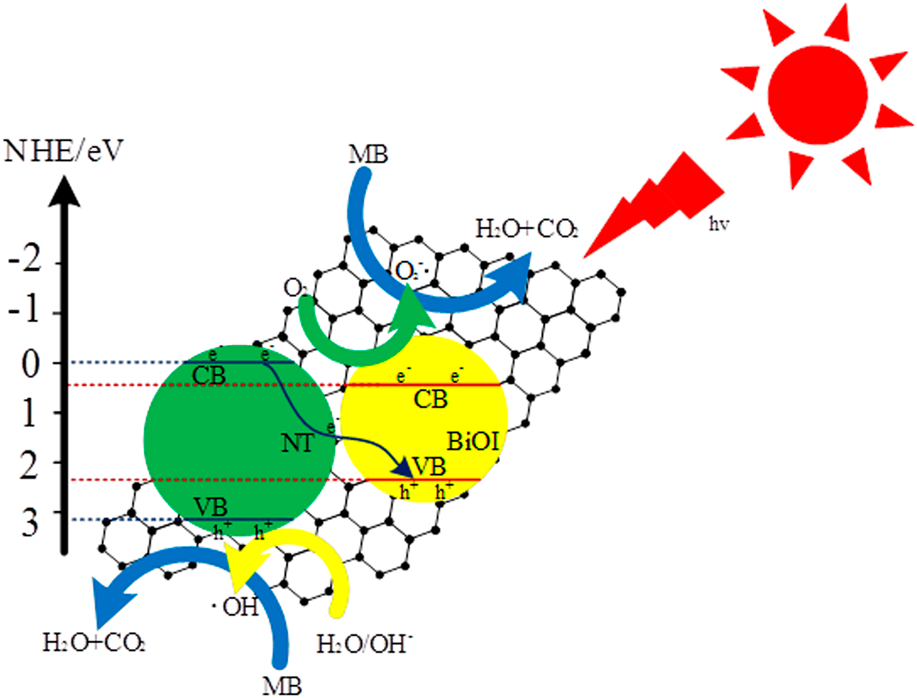
In this work, four N-TiO2/bismuth oxyiodide (BiOI)/reduced graphene oxide (RGO) composite photocatalysts with different composite ratios were prepared using a hydrothermal method. The phase, surface structure, specific surface area, and light response were characterized by X-ray diffraction, X-ray photoelectron spectrum analysis, scanning electron microscopy, specific surface area and aperture analysis, and UV-vis diffuse reflection spectrum analysis. The results indicated that the N-TiO2/BiOI/RGO (NTGB) composite prepared with a mass ratio of 1:1:2 is a promising photocatalyst for the degradation of organic pollutants by using sunlight, with a specific surface area of 139.56 (m2/g), bandgap of 1.24 eV, and strong absorption with a smaller visible region. It has the best photocatalytic properties under visible light irradiation in the degradation of methylene blue (MB): the degradation rate of MB in the presence of light for 60 min reached 99.22%, and its photocatalytic performance was significantly higher than that of TiO2, N-TiO2, BiOI, N-TiO2/BiOI, BiOI/RGO, NTGB1, NTGB2, and NTGB4.
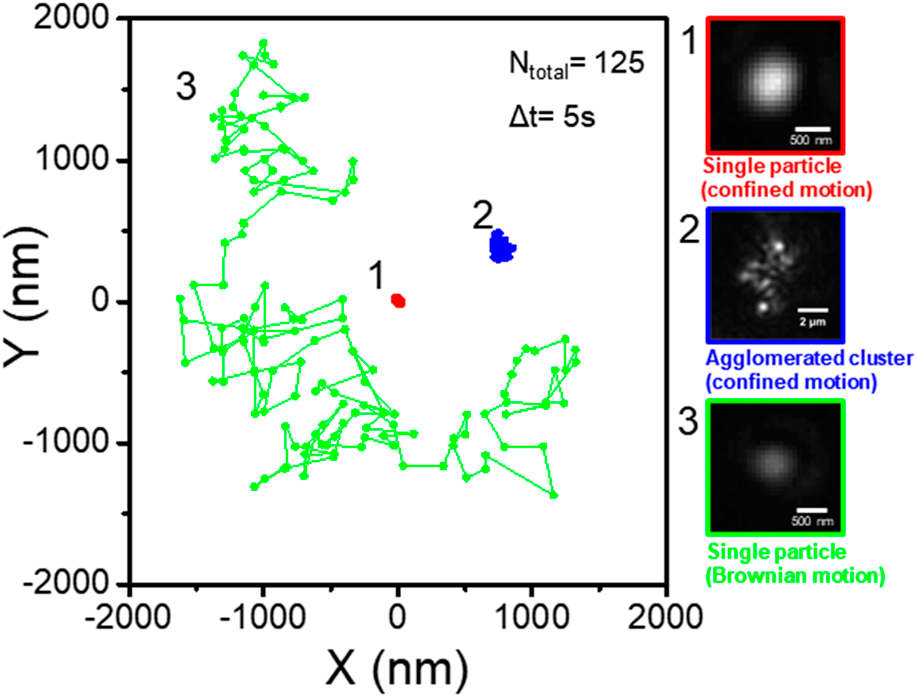
Using evanescent wave (EW)–based optical detection methods coupled with video microscopy, we investigated in situ trajectories, diffusion, and interaction energies of ∼140 nm ceria particles near a glass surface at pH 3, 5, and 7. Trajectories of a single ceria particle in a 2D (x–y) plane were obtained by linking its time-sequenced positions. Diffusion coefficients of several single ceria particles were calculated from their respective mean-square displacement (MSD) versus time curves, and the results were interpreted based on the interaction potential energy curves obtained from Boltzmann statistics of the EW scattering intensity fluctuations of the particles. The types and characteristics of particle motions were determined by analyzing the MSD curves. Whereas both confined or subdiffusive and Brownian motions of the particles were observed at pH 7, only confined motion was seen at pH 3 and 5, and their corresponding diffusion coefficients are similar to those reported by several authors.
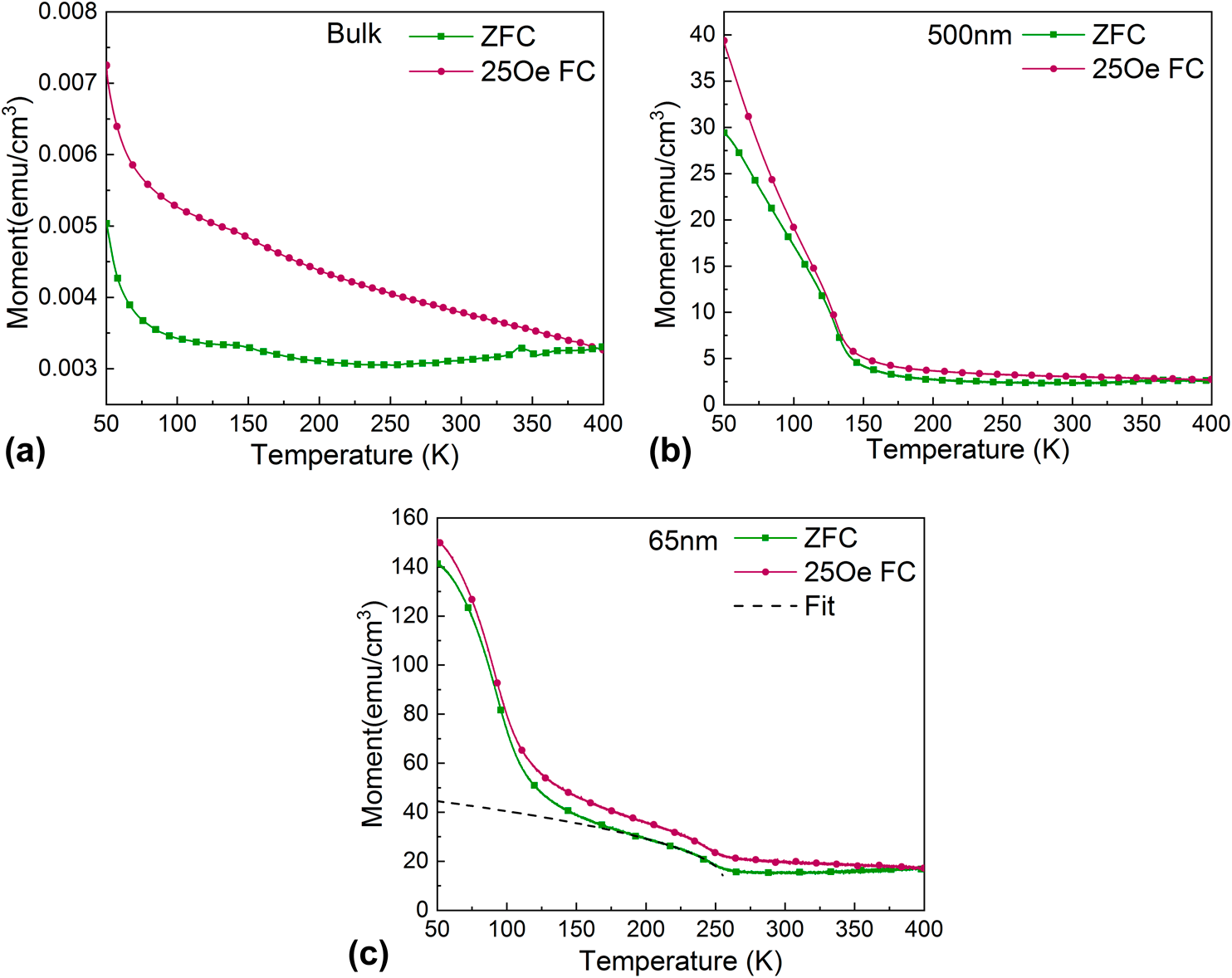
In this study, the magnetic properties of Fe39.8Co19.92Mn20.52Cr14.77Si5 multi-principal element alloy in both bulk and thin films were studied. X-ray diffraction measurements show coexisting face centered cubic (FCC) and hexagonal close packed phases in the bulk and the 500 nm thin films, while only FCC phase is observed in the 65 nm thin film. A four orders of magnitude increase in the magnetic moment is observed for 65 nm thin film compared with the bulk sample. Evolution of magnetization as a function of temperature and applied magnetic field shows multiple magnetic transitions. A paramagnetic to spin glass transition is detected at TS ∼ 390 K for all samples. Further cooling results in a spin glass to ferromagnetic (FM) transition, and the transition temperature, TF, is dependent on the film thickness. Higher saturation magnetization and transition temperature observed for the thin film samples indicate the stabilization of FM ordering due to thickness confinement.
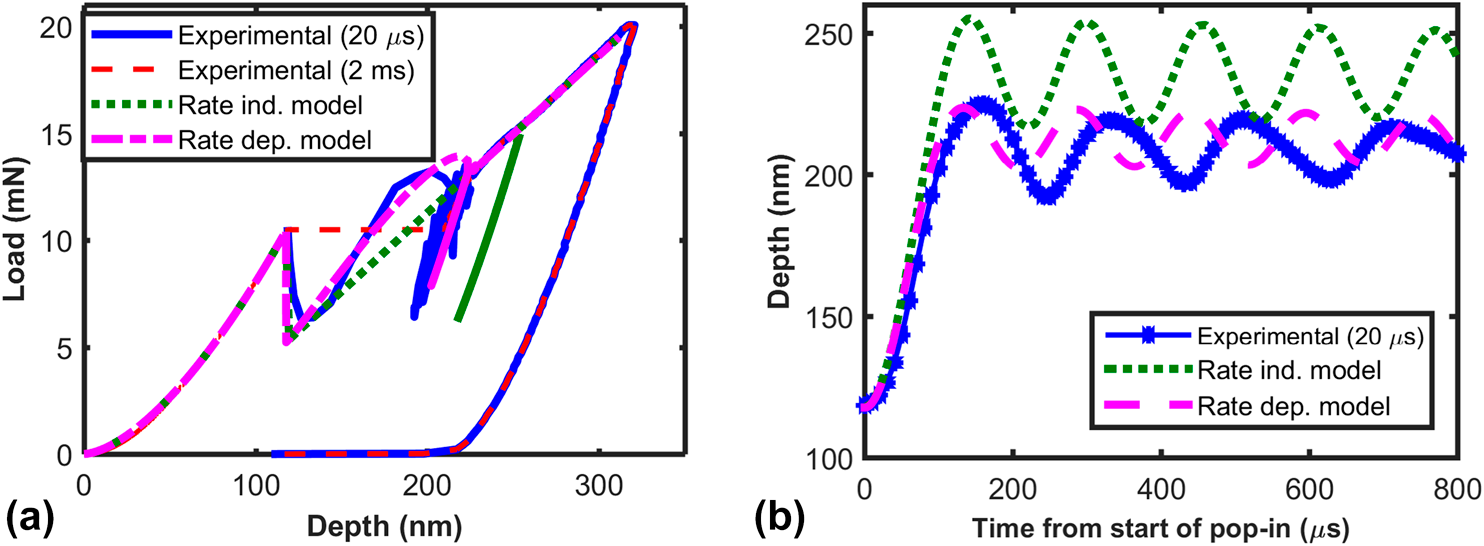
Pop-in during indentation testing is a term used to indicate the sudden displacement burst during loading. Experimental data are measured during an indentation pop-in event, using displacement sensors with 20 μs time constant at 100 kHz data acquisition rate. The load–depth response during the pop-in event that occurs within 160 μs is determined after accounting for the instruments' dynamic response. Unlike the response reported in the literature for force-controlled tests, wherein the load on the sample remains constant during the pop-in, a steep load drop is observed after the onset of pop-in, followed by a significant increase in the load well beyond the load at the onset of pop-in. A model for the material and instrument's dynamic response is presented that agrees well with the experimental observations. The implications of these findings for determination of pop-in length or velocity and for performing displacement-controlled testing involving closed loop control are discussed.
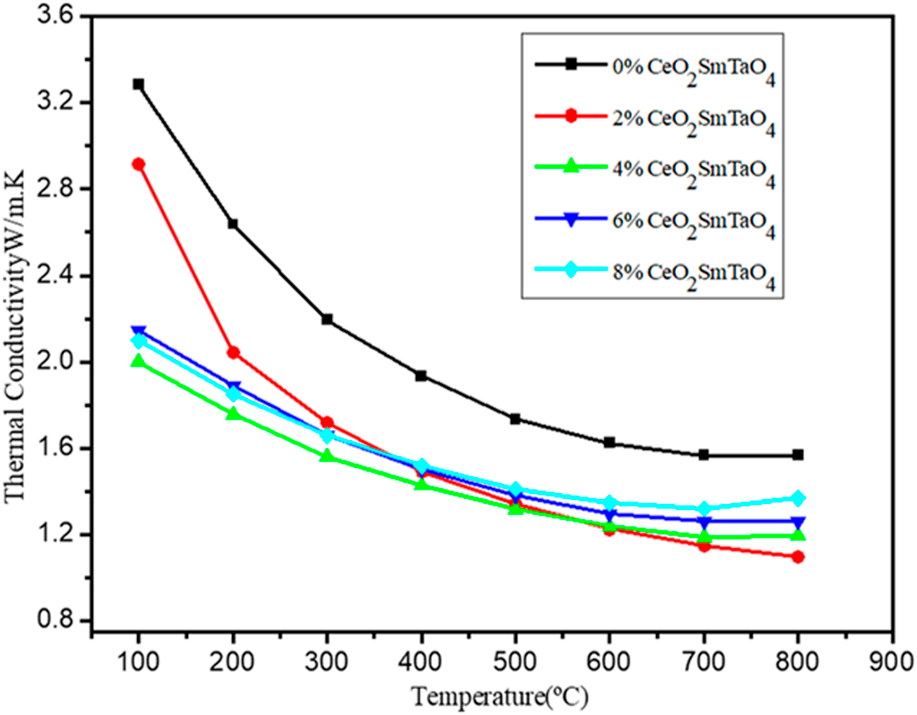
SmTaO4 ceramics have excellent high-temperature phase stabilities and mechanical properties and show great potential for use as next-generation thermal barrier coating (TBC) materials. CeO2–SmTaO4 ceramics are prepared via high-temperature solid–state reaction. It retains a single monoclinic phase structure. Ce4+ was reduced to Ce3+ by high-temperature deoxidation, and the Ce3+ ions substitute for an equal number of Sm3+ ions. The CeO2–SmTaO4 ceramics had lower thermal conductivities [1.09–2.75 W/(m K)] than yttria-stabilized zirconia (YSZ) [2.1–2.7 W/(m K)] at 100–800 °C, which decreased dramatically with increasing temperature. SmTaO4 doped with 2% CeO2 had lower thermal conductivity [1.09 W/(m K), 800 °C] than SmTaO4 [1.42 W/(m K), 800 °C] and 2% ZrO2-doped SmTaO4 ceramics [1.22 W/(m K), 800 °C]. The low thermal conductivity is attributed to Ce3+ substitution for an equal number of Sm3+ ions, and because Ce3+ ions are the strongest phonon scattering centers, they can decrease the phonon mean free path effectively. The thermal expansion coefficient of 8% CeO2–SmTaO4 ceramics is approximately 10.3 × 10⁻⁶ K−1 at 1200 °C, which is slightly higher than that of both YSZ (10.0 × 10⁻⁶ K−1) and SmTaO4 (9.58 × 10⁻⁶ K−1). The outstanding thermophysical properties indicate that CeO2–SmTaO4 ceramics are potential TBC materials.
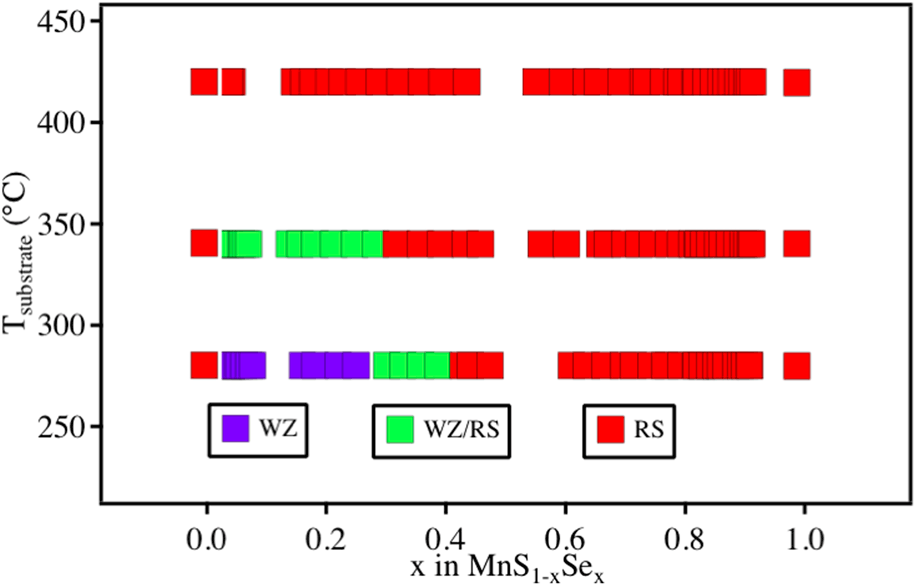
Materials with crystal structures containing tetrahedral motifs are preferable for optoelectronic applications because they often have direct band gaps and low electron effective masses. However, crystal structures of manganese chalcogenides typically contain octahedral motifs, such as in rock salt (RS) MnS and MnSe materials. Here, we experimentally show that MnS1−xSex alloys with tetrahedrally bonded wurtzite (WZ) structure can form between MnSe and MnS parent compounds with octahedral RS structures, at S-rich compositions (x < 0.4) and low synthesis temperatures (∼300 °C). The calculated mixing enthalpies of MnS1−xSex alloys in RS and WZ structures cannot explain this experimental observation, so we hypothesize that WZ stabilization may be related to smaller structure density and lower surface energy compared with RS. The resulting WZ MnS1−xSex alloys have 3.0–3.2 eV optical absorption onset and lower electrical conductivity (<0.0001 S/cm) than the parent RS compounds. These experimental measurement results are consistent with computationally predicted band gaps and effective masses.
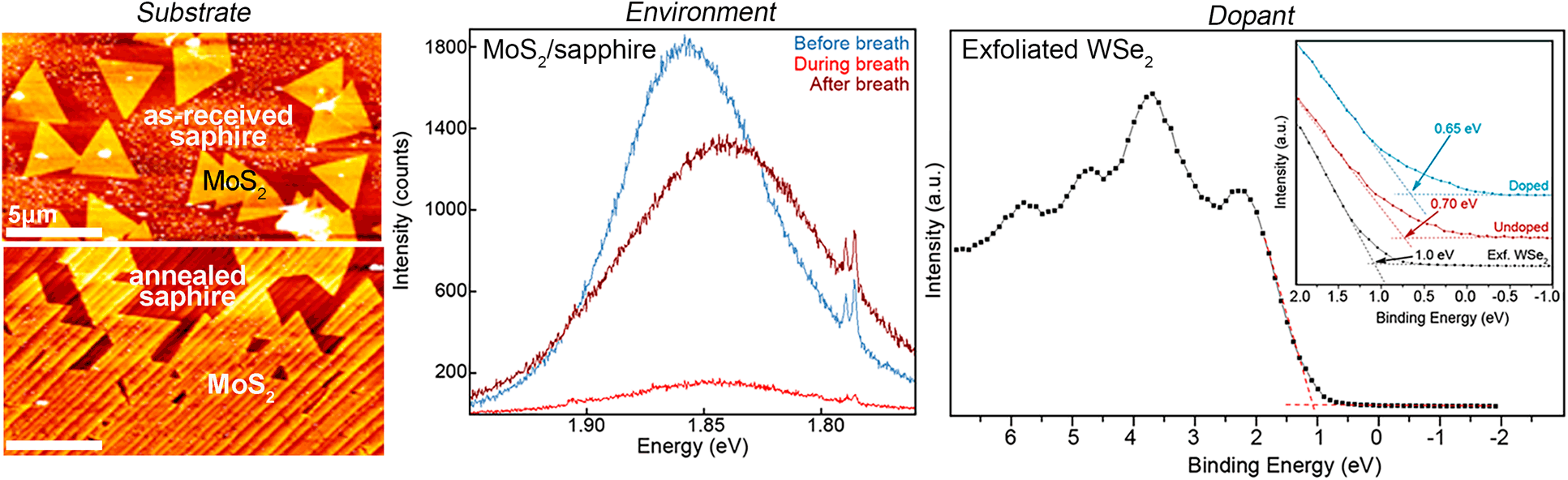
The field of two-dimensional (2D) materials remains a key area of scientific research today, generating continual interest for electronic, sensing, and quantum technology. As the field progresses beyond proof-of-concept devices, experimental and analytical methods and results must be scrutinized to ensure the veracity of scientific claims. Here, some favored synthesis and characterization techniques within the 2D material (2DM) community and certain limitations inherent to these techniques are discussed. The authors highlight select caveats of solid-source and seed-promoted synthesis techniques, such as difficulties in reproducibility and compromised electrical performance of films synthesized with nucleation agents. Furthermore, the importance of careful characterization methodology in determining 2DM layer number, stoichiometry, and dopant effects is discussed. This article is intended to further educate researchers regarding select techniques and claims in the 2DMs field.
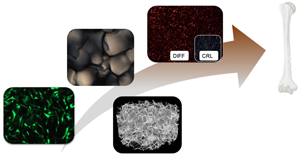
Osteoporosis is a skeletal disease characterized by bone loss and bone microarchitectural deterioration. The combination of smart materials and stem cells represents a new therapeutic approach. In the present study, highly porous scaffolds are prepared by combining the conducting polymer PEDOT:PSS with collagen type I, the most abundant protein in bone. The inclusion of collagen proves to be an effective way to modulate their mechanical properties and it induces an increase in scaffolds’ electrochemical impedance. The biomimetic scaffolds support neural crest-derived stem cell osteogenic differentiation, with no need for scaffold pre-conditioning contrarily to other reports.
Hot deformation behavior of a new tailored cobalt-based superalloy for turbine discs was investigated in the temperature range of 1050–1200 °C and the strain rate range of 0.01–10 s−1. The results show that the flow stress is closely related to the deformation temperature and strain rate, and the flow stress curve of the new tailored alloy belongs to a typical dynamic recrystallization (DRX) type. Microstructure observation reveals that the dominant nucleation mechanism of DRX for the new tailored alloy belongs to discontinuous DRX, while continuous DRX only acts as an assistant nucleation mechanism. The optimum processing parameters of hot working are obtained in the temperature range of 1155–1200 °C and the strain rate range of 0.01–0.1 s−1. The activation energy for the new tailored alloy is determined to be 833.0 kJ/mol, and the relationship between grain size and processing parameters is established by appropriate constitutive equations.
The crystal structure of pantoprazole sodium sesquihydrate has been solved and refined using synchrotron X-ray powder diffraction data and optimized using density functional techniques. Pantoprazole sodium sesquihydrate crystallizes in space group Pbca (#61) with a = 33.4862(6), b = 17.29311(10), c = 13.55953(10) Å, V = 7852.06(14) Å3, and Z = 16. The crystal structure is characterized by layers parallel to the bc-plane. One layer contains the Na coordination spheres. The two independent sodium ions are trigonal bipyramidal and octahedral. The NaO3N2 and NaO4N2 coordination spheres share an edge to form pairs. The sodium bond valence sums are 1.17 and 1.15. The difluoromethyl groups are probably disordered. Two water molecules act as hydrogen bond donors to pyridine nitrogen atoms and sulfoxide oxygen atoms. The third water molecule participates in bifurcated hydrogen bonds, but one of its hydrogen atoms does not participate in hydrogen bonds. The powder pattern is included in the Powder Diffraction File™ as entry 00-065-1424.
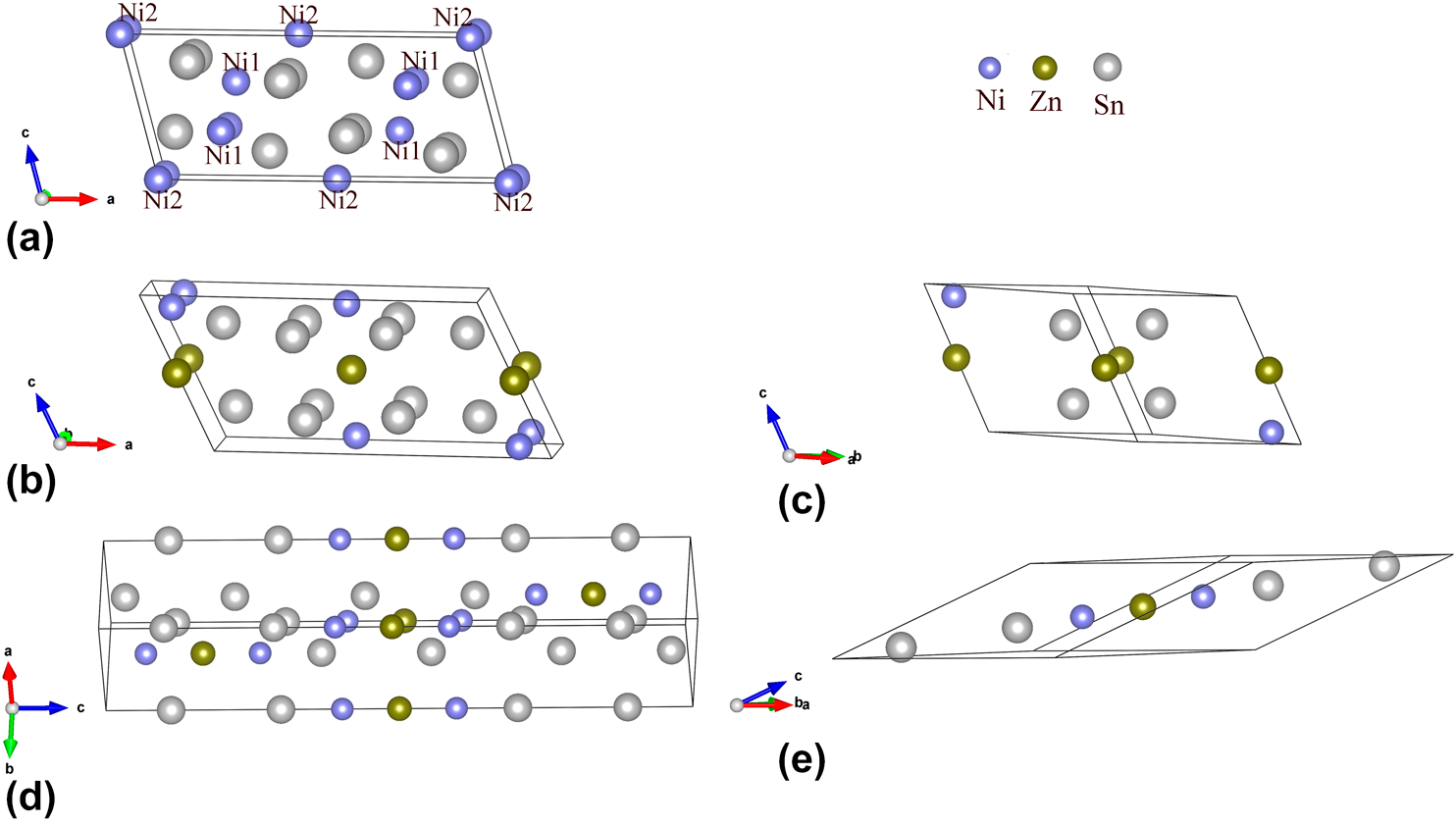
Using the first-principles calculation combined with the structure searching method, the ternary intermetallic compound (IMC) (Ni0.66, Zn0.33)3Sn4 with $R\bar 3m$ space group is predicted. The energetic, dynamic, thermal, and mechanical stabilities of the (Ni0.66, Zn0.33)3Sn4 IMC are confirmed. The mechanical, thermodynamic, and electronic characteristics at different pressures from 0 to 20 Gpa for the (Ni0.66, Zn0.33)3Sn4 IMC are also investigated. The results show that the (Ni0.66, Zn0.33)3Sn4 IMC possesses a ductile trait within 20 Gpa and that pressurization can increase its elastic modulus, hardness, anisotropy, Debye temperature, and minimum thermal conductivity. At a given pressure, the thermal expansion coefficient α increases significantly below 200 K, and then its increase rate approaches a linear mode as the temperature increases. Compared with the case of 0 GPa, the shapes of the total density of states and partial density of states for the (Ni0.66, Zn0.33)3Sn4 IMC change slightly at pressure 20 Gpa, implying that its structure is still stable under pressure 20 GPa.
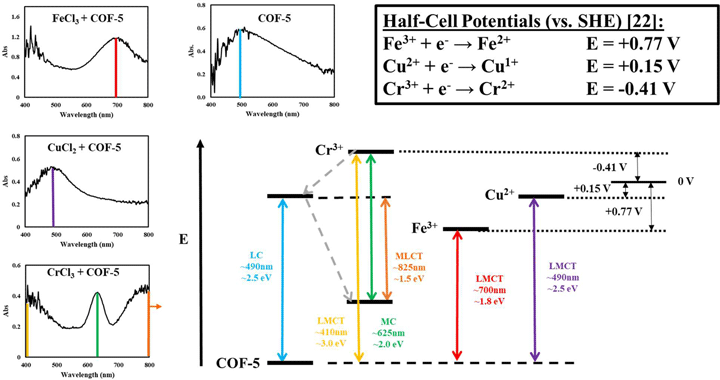
To investigate the manipulation of electromagnetic properties of two-dimensional materials, this effort characterizes charge transfer behavior of colloidal COF-5 (covalent organic framework) in the presence of various metal ions. A series of metal chloride compounds was introduced to COF-5 in solution and solid film phases and the interaction of the material with electromagnetic radiation was monitored across the visible region using electronic absorption spectroscopy. Notable changes were observed, quantified, and discussed for copper (II) chloride (CuCl2), chromium (III) chloride (CrCl3), and iron (III) chloride (FeCl3) with COF-5. Ligand-to-metal and metal-to-ligand charge transfer are explored as a possible mechanism for the observed electronic behaviors.
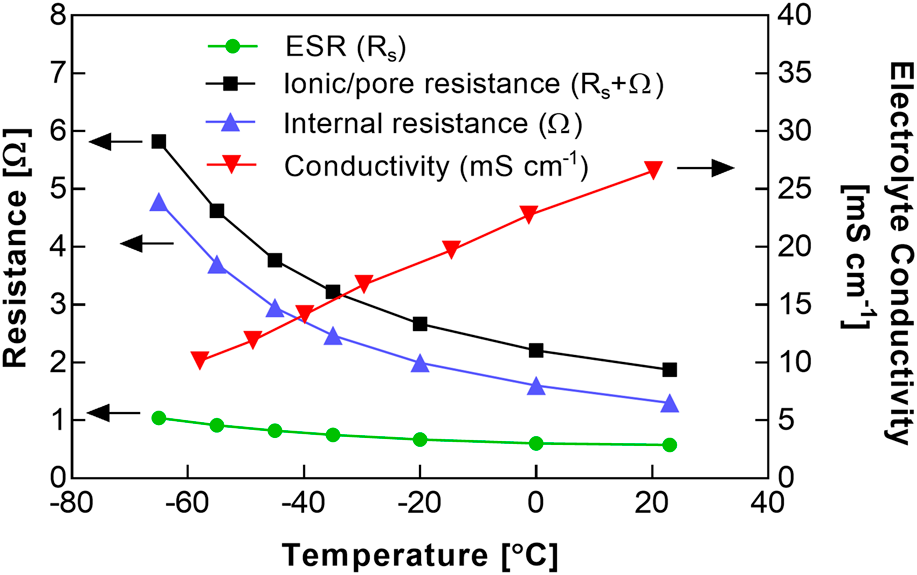
Electrochemical capacitors featuring a modified acetonitrile (AN) electrolyte and a binder-free, activated carbon fabric electrode material were assembled and tested at <−40 °C. The melting point of the electrolyte was depressed relative to the standard pure AN solvent through the use of a methyl formate cosolvent, to enable operation at temperatures lower than the rated limit of typical commercial cells (−40 °C). Based on earlier electrolyte formulation studies, a 1:1 ratio of methyl formate to AN (by volume) was selected, to maximize freezing point depression while maintaining a sufficient salt solubility. The salt spiro-(1,1′)-bipyrrolidinium tetrafluoroborate was used, based on its improved conductivity at low temperatures, relative to linear alkyl ammonium salts. The carbon fabric electrode supported a relatively high rate capability at temperatures as low as −65 °C with a modest increase in cell resistance at this reduced temperature. The capacitance was only weakly dependent on temperature, with a specific capacitance of ∼110 F/g.
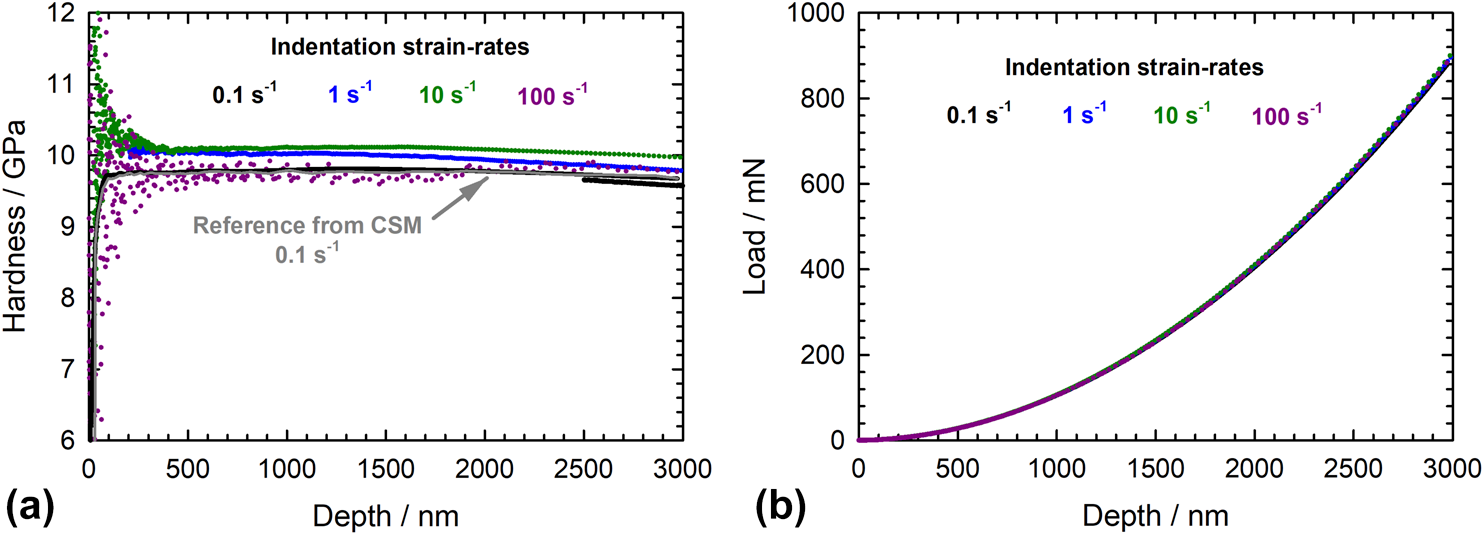
Constant strain rate nanoindentation hardness measurements at high sustained strain rates cannot be made in conventional nanoindentation testing systems using the commonly employed continuous stiffness measurement technique (CSM) because of the “plasticity error” recently reported by Merle et al. [Acta Mater.134, 167 (2017)]. To circumvent this problem, here we explore an alternative testing and analysis procedure based on quasi-static loading and an independent knowledge of the Young's modulus, which is easily obtained by standard nanoindentation testing. In theory, the method applies to any indentation strain rate, but in practice, an upper limit on the rate arises from hardware limitations in the testing system. The new methodology is developed and applied to measurements made with an iMicro nanoindenter (KLA, Inc.), in which strain rates up to 100 s−1 were successfully achieved. The origins of the hardware limitations are documented and discussed.
The crystal structure of ipratropium bromide monohydrate has been solved and refined using synchrotron X-ray powder diffraction data and optimized using density functional techniques. Ipratropium bromide monohydrate crystallizes in the space group P21/c (#14) with a = 8.21420(7) Å, b = 10.54617(13) Å, c = 24.0761(39) Å, β = 99.9063(7) °, V = 2054.574(22) Å3, and Z = 4. Both hydrogen atoms of the water molecule act as donors to the bromide cation, forming a ring with the graph set R2,4(8). The hydroxyl group also acts as a donor to Br. Several C–H⋯Br hydrogen bonds are present. The water molecule acts as an acceptor in two C–H⋯O hydrogen bonds from methyl groups. The ketone acts as an acceptor in C–H⋯O hydrogen bonds from methyl groups, a methylene group, and a methyne group. The hydroxyl group acts as an acceptor in a C–H⋯O hydrogen bond from a phenyl carbon atom. The powder pattern is included in the Powder Diffraction File™ as entry 00-066-1611.
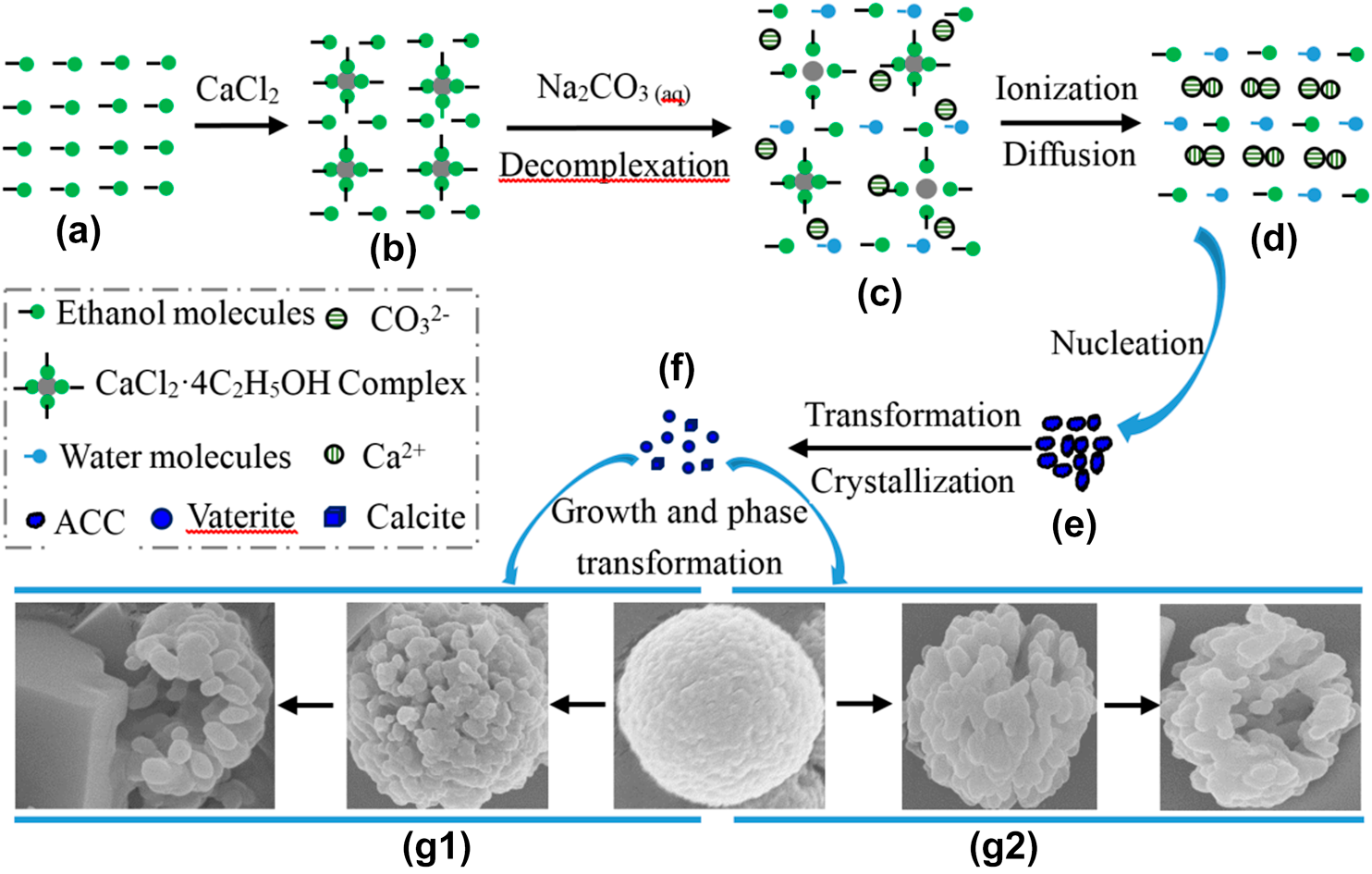
The advantage of alcohol–calcium method on the formation and the stability of vaterite against ethanol–water binary solvents (EWBS) method was studied through comparative experiment. The polymorphs and morphologies of CaCO3 were characterized by X-ray diffraction (XRD) and scanning electron microscopy (SEM). XRD results show that vaterite slowly decreases from 90.4 to 82.5% as increasing aging time from 0 to 1320 min in alcohol–calcium system, while quickly decreases from 46.5% to 0% at the same aging time in EWBS system. The similar variation as reaction temperature was found in both systems. SEM images indicate that calcite presents its typical rhombohedral morphology in both systems, while the morphologies of vaterite particles in two systems are different. In alcohol–calcium system, small vaterite nanoparticles aggregate into spherical microparticles, and these microparticles become porous, loose, and irregular, even incomplete, as increasing aging time and reaction temperature, while in EWBS system, vaterite nanoparticles aggregate into irregular microparticles. The advantage of alcohol–calcium method was discussed from the formation of the complex compound CaCl2·n(C2H5OH) in alcohol and its decomplexation in aqueous medium.