To save content items to your account,
please confirm that you agree to abide by our usage policies.
If this is the first time you use this feature, you will be asked to authorise Cambridge Core to connect with your account.
Find out more about saving content to .
To save content items to your Kindle, first ensure no-reply@cambridge.org
is added to your Approved Personal Document E-mail List under your Personal Document Settings
on the Manage Your Content and Devices page of your Amazon account. Then enter the ‘name’ part
of your Kindle email address below.
Find out more about saving to your Kindle.
Note you can select to save to either the @free.kindle.com or @kindle.com variations.
‘@free.kindle.com’ emails are free but can only be saved to your device when it is connected to wi-fi.
‘@kindle.com’ emails can be delivered even when you are not connected to wi-fi, but note that service fees apply.
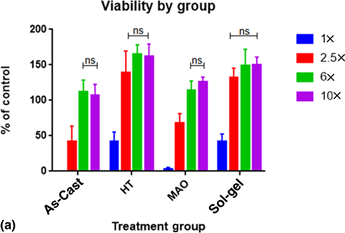
Our recent exploration into the use of biodegradable metals and surface treatments resulting in sufficient strength for skeletal reconstruction applications has led to the need to test these devices’ cytotoxicity. More specifically, our group has developed a resorbable magnesium alloy, Mg–1.2Zn–0.5Ca–0.5Mn, that can be strengthened by heat treatment and coated with a ceramic layer offering time-certain resorption of a medical device. This in vitro study shows that these treatments do not result in cytotoxicity. Both heat-treated (HT) and HT + ceramic-coated (sol–gel) coupons demonstrated more than 70% viability. Thus, these processing steps are likely to be useful in producing biocompatible, resorbable implants that incorporate our Mg–1.2Zn–0.5Ca–0.5Mn alloy.
Air plasma sprayed thermal barrier coatings (TBCs) are used extensively throughout the gas turbine industry for both power and propulsion. As these engines push to higher temperatures, concern for failure from the melt infiltration of ingested siliceous debris [commonly called calcium–magnesium–alumino-silicate (CMAS)] arises, especially in aeroengines. 7 wt% yttria-stabilized zirconia is particularly prone to melt infiltration and stiffening-induced premature failure. Novel TBC materials such as gadolinium zirconate have been introduced for their infiltration-inhibiting CMAS reactions. Past academic work has utilized ideal laboratory furnace environments to study these phenomena. In this work, the influence of TBC microstructure and chemistry on impinging molten CMAS injected via a burner rig is studied. An observational study of the impacted surfaces and location-specific cross-sectional analysis is reported. Results point toward the critical role of surface microstructure on the mobility and reactivity of the molten CMAS.
Considering the Panigrahi and Chatterjee model (2017) for variable generalised Chaplygin gas, in this paper we found for this kind of exotic matter an analytic expression for the adiabatic compressibility βs. It was analyzed the behaviour of the adiabatic compressibility in the limit of high and low pressure. The derived equation for βs was used to deduce the value of the heat capacity at constant pressure Cp for variable generalised Chaplygin gas.
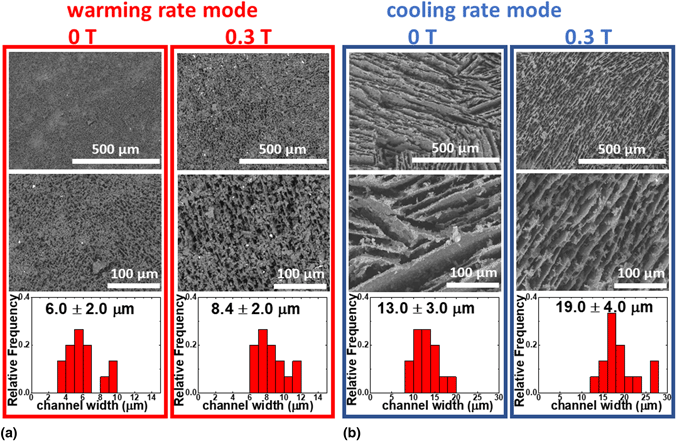
Magnetic field-assisted freeze-casting of porous alumina structures is reported. Different freeze-casting parameters were investigated and include the composition of the original slurry (Fe3O4 and PVA content) and the control of temperature during the free casting process. The optimum content of the additives in the slurry were 3 and 6 wt% for PVA and Fe3O4, respectively. These conditions provided the most unidirectional porous structures throughout the length of the sample. The sintering temperature was maintained at 1500 °C for 3 h. The application of a vertical magnetic field (parallel to ice growth direction) with using a cooling rate mode technique was found to enhance the homogeneity of the porous structure across the sample. The current study suggests that magnetic field-assisted freeze-casting is a viable method to create highly anisotropic porous ceramic structures.
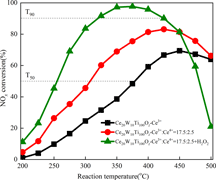
A highly active catalyst of cerium–tungsten–titanium mixed oxide was synthesized by introducing Ce4+ and H2O2 in the base sample of Ce20W10Ti100Oz–Ce3+. As a consequence, the NH3-SCR activity of Ce20W10Ti100Oz–Ce3+ is significantly improved as the additives of Ce4+ and H2O2 enlarge the Brunauer–Emmett–Teller (BET) surface area by refining its pore size. Meanwhile, the introduction of Ce4+ increases the Lewis acid sites of Ce20W10Ti100Oz–Ce3+ and decreases its low-temperature Brønsted acid sites. The further addition of H2O2 improves the Brønsted acid sites and dispersion of cerium/tungsten species, and thereby enhances the concentrations of the adsorbed oxygen (Oα) and the adsorbed oxygen $\lpar {\rm {O}^{\prime}}_{\rm \alpha} \rpar$ due to the activation of chemisorbed water on the surface of the catalyst. The addition of Ce4+ and H2O2 shows a synergistic promotional effect, which is due to the largest BET surface area and the highest concentrations of Oα or/and ${\rm {O}^{\prime}}_{\rm \alpha}$. Ce20W10Ti100Oz–Ce3+:Ce4+ = 17.5:2.5 + H2O2 exhibits the highest catalytic activity compared with the conventional ones (Fig. 5).
This research focuses toward calculating the thermal conductivity of pillared-graphene structures (PGS). PGS consists of graphene and carbon nanotubes (CNTs). These two materials have great potential to manage heat generated by nano- and microelectronic devices because of their superior thermal conductivities. However, the high anisotropy limits their performance when it comes to three-dimensional heat transfer. Nonequilibrium molecular dynamics (NEMD) simulations were conducted to study thermal transport of PGS. The simulation results suggest that the thermal conductivity along the graphene plane can reach up to 284 W/m K depending on PGS’ parameters while along the CNT direction, the thermal conductivity can reach 20 W/m K.
This work is focused on determining whether two graphene derivatives: graphene oxide (GO) and reduced graphene oxide (RGO) can be used alone as a component of anticancer therapy. In this paper, we present the synthesis GO and RGO, their physicochemical characterization as well as an evaluation of their cytotoxic properties on cancer (HepG2 and MCF-7) and non-malignant (clone-9 and HMF) cells. We demonstrated that both tested graphene derivatives have a high affinity to cancer cells. We showed that cytotoxic properties of GO and RGO were different depending on the type of solvent in which they were prepared. Additionally, we observed that cytotoxic properties of GO and RGO were different depending on the origin of the cells (liver and breast) and the form of graphene material (GO and RGO). We showed that GO and RGO can be potential, selectively materials which in future can found application in anticancer therapy.
A provisional setup for X-ray microprobe experiments at 35 keV is described. It is based on compound refractive lenses (CRLs) for nanofocusing and a Vortex silicon drift detector with 2 mm sensor thickness for increased sensitivity at high energies. The Microprobe experiment (PETRA III) generally uses Kirkpatrick-Baez mirrors for submicrometer focusing in the energy range of 5–21 keV. However, various types of scanning X-ray microscopy experiments require higher excitation energies. The CRL optics were characterized by X-ray ptychography and X-ray fluorescence (XRF) knife edge scans on a siemens star pattern and showed beam sizes down to 110 nm. The performance of the new setup for microscopic X-ray diffraction (XRD)–XRF scanning X-ray microscopy measurements at 35 keV is demonstrated on a cross-section of a painting fragment.
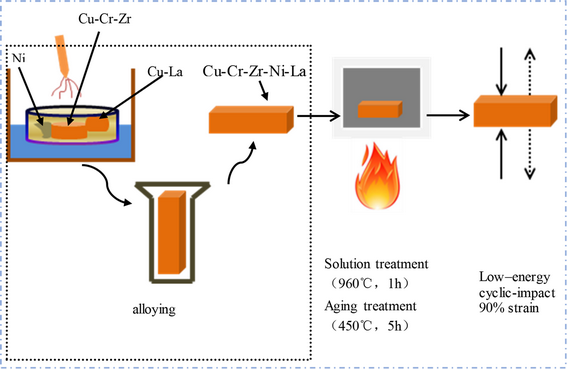
In this paper, CuCr–Zr alloys prepared by vacuum melting with adding La and Ni elementswere heat-treated and aged, followed by plastic deformation using low-energy cyclic impact tests, to simultaneously improve their mechanical and electrical properties. Results showed that the grain size of the casted Cu–Cr–Zr alloys was significantly reduced after the solid-solution aging and plastic deformation process. There were a lot of dispersed Cr and Cu5Zr precipitates formed in the alloys, and the numbers of dislocations were significantly increased. Accordingly, the hardness was increased from 78 to 232 HV, and the tensile strength was increased from 225 to 691 MPa. Electrical conductivity has not been significantly affected after these processes. The enhancement of overall performance is mainly attributed to the combined effects of solid-solution hardening, fine grain hardening, and precipitation/dislocation strengthening.
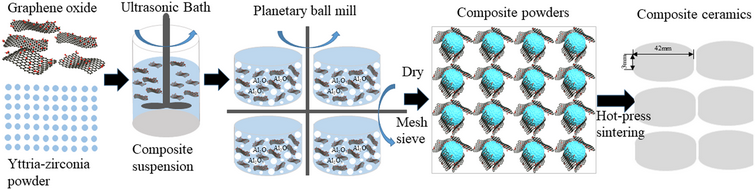
In order to expand the family and improve the bioactivity of oral implant ceramics, the phase structures, mechanical and wetting properties of the hot-pressed yttria-zirconia/multilayer graphene oxide composite (3Y-ZrO2/GO) ceramics were investigated. GO was uniformly distributed in 3Y-ZrO2 powders, forming the C–O–Zr bond during the sintering process. In comparison to raw 3Y-ZrO2 ceramics, the flexural strength and fracture toughness improved up to 200% (1489.96 ± 35.71 MPa) in ZG3 (with 0.15 wt% GO) and 40.9% (8.95 ± 0.59 MPa m1/2) in ZG2 (with 0.1 wt% GO), respectively, while the relative density and Vickers hardness increased slightly. The toughening mechanisms included crack deflection, crack bridging, and GO put-out. Meanwhile, the composite ceramics were transformed into a more hydrophilic direction and indicated a good wetting property. In consideration of mechanical and wetting properties, the ZG3 would be a favorable alternative to the yttria-zirconia ceramic (Y-TZP) in dental implant applications. The results are expected to serve as a technical guidance for the fabrication and evaluation of dental implants.
Nanocrystallites of pure and mixed ternary ferrites, NiFe2O4 (NiF), CuFe2O4 (CuF), CoFe2O4 (CoF), Ni0.5Cu0.5Fe2O4 (CuNiF), Ni0.5Co0.5Fe2O4 (NiCoF), and Cu0.5Co0.5Fe2O4 (CuCoF) were prepared using the auto-combustion method employing urea as a fuel. The obtained materials were investigated by Fourier transform infrared spectroscopy (FTIR), X-ray diffraction (XRD), transmission electron miscroscopy (TEM), scanning electron microscopy (SEM), and BET techniques. The elemental composition of the prepared samples was checked by X-ray fluorescence (XRF) analysis. XRD indicated that the as-synthesized samples exhibit a pure spinel crystal structure. The samples have crystallite sizes ranged from 12 to 47 nm. SEM and TEM analyses showed almost spherical morphology for all ferrite particles. The M–H curves recorded using the VSM (vibrating sample magnetometer) technique showed ferromagnetic hysteresis loop for all the samples investigated. The ferrite samples were tested to be used as a supercapacitor electrode material. It is found that the measured specific capacitance of the ferrite electrodes increases according to CuCoF > NiCoF > CoF > NiCuF > CuF > NiF. The CuCoF sample showed the greatest specific capacitance of 220 F/g at discharging current density l of A/g with, an energy density of 34.72 Wh/kg and power density of 605 W/kg. The magnetic properties were also measured for the obtained nanoparticles.
Inhibitory control can be divided into motor and cognitive inhibition. The current research is the first study exploring the impact of brief mindfulness training on motor inhibition, measured by a stop signal task in participants without any meditation experience. Motor inhibition performance was compared before and immediately after three different conditions; a brief mindfulness induction, a resting state and an active control session in which participants listened to their favorite music. Post-test learning effect on go-reaction times was seen for the resting and mindfulness conditions, but was absent in the music session, possibly due to emotional arousal might have led slower responses. Brief mindfulness training did not significantly alter inhibitory control, although marginal improvement in stop signal reaction time following the mindfulness induction was observed. Motor inhibition appears unresponsive to either short-term or long-term mindfulness practice. Future mindfulness studies should explore a broad spectrum of cognitive functions and populations.
Military operations occurring in particle-laden environments have resulted in aircraft incidents and loss of life due to sand ingestion into the engine. Sand melts in the hot combustion environment and deposits as glassy calcia–magnesia–alumino–silicates (CMAS) which leads to rapid performance degradation due to clogged air pathways in the engine. A novel, composite thermal barrier coating (TBC) consisting of yttria-stabilized zirconia (YSZ) blended with gadolinia is proposed that combines the excellent thermo-mechanical properties of YSZ together with the CMAS resistance of rare-earth oxides. YSZ was blended with 2, 8, 17, and 32 vol% gadolinia and tested under simulated engine-relevant conditions. The presence of gadolinia in the composite coating reduced the adhesion of the CMAS, and at 32 vol% gadolinia addition, the CMAS was completely delaminated. A possible CMAS adhesion mitigating mechanism is discussed. This work demonstrated the capability of a new composite TBC to significantly reduce CMAS adhesion.
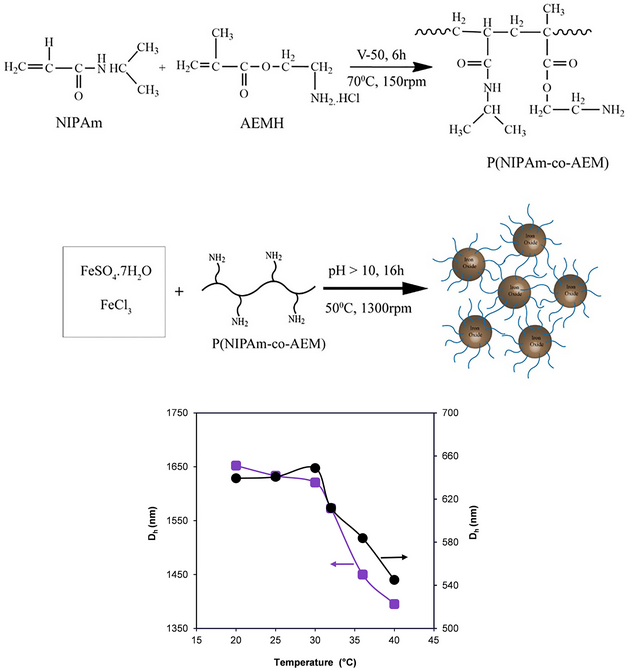
In this study, we report a simple one-pot synthesis of iron oxide nanoparticles (IONPs) modified with thermoresponsive polymers potentially applicable for nucleic acid capture. Ferrous (Fe2+) and ferric (Fe3+) ions were coprecipitated to a dispersion of previously prepared poly(N-isopropylacrylamide-co-2-aminoethyl methacrylate) P(NIPAAm-co-AEM) for in situ synthesis of magnetite (Fe3O4) and concurrent surface modification of Fe3O4 with the polymer to obtain magnetic nanocomposites. Fourier-transform infrared (FTIR) spectroscopy analysis reveals the surface modification of Fe3O4 with P(NIPAAm-co-AEM) and P(NIPAAm) as functional and control polymers, respectively. Fe3O4@P(NIPAAm-co-AEM) and Fe3O4@P(NIPAAm) nanocomposites’ surfaces contain 7.5 and 2.3 wt% of immobilized polymers, respectively. Vibrating sample magnetometry (VSM) result indicates a high saturation of magnetization value, 75 emu/g, for Fe3O4@P(NIPAAm-co-AEM) nanocomposites. The hydrodynamic diameter of Fe3O4@P(NIPAAm-co-AEM) in water changes depending on pH and temperature. A study for deoxyribonucleic acid (DNA) capture ability of Fe3O4@P(NIPAAm-co-AEM) nanocomposites shows a maximum 18.5 mg/g of DNA can be adsorbed on Fe3O4@P(NIPAAm-co-AEM).
Flood and drought events cause significant freshwater inflow fluctuations in estuaries, potentially leading to physiological stress and altered abundances of pathogens such as Vibrio vulnificus and Perkinsus marinus in oysters. To assess the effects of freshwater pulses to oyster reefs in subtropical estuaries in Texas, this study accomplished two goals: 1) reconstructed a reef-specific history of freshwater pulses through shell stable isotope analysis, 2) quantified the abundance of V. vulnificus and P. marinus through culture-dependent and culture-independent microbiology analyses. Oysters from a low-relief and high-relief reef experienced similar fluctuations in shell isotopes, indicating similar ranges of past environmental conditions. V. vulnificus and P. marinus were detected throughout the study but the abundance of these microorganisms was not correlated with environmental parameters or one another. Importantly, the P. marinus infection intensity was always lower at the high-relief reef, which suggests that high-relief reefs may experience lower infection frequencies.
The strain rate sensitivity (m) of (Ni0.92Zr0.08)100−xAlx (0 ≤ x ≤ 4 at.%) eutectic with varying average lamellae thickness (λw) in the range of 39–275 nm has been investigated in the strain rate range of 8 × 10⁻⁵ and 8 × 10⁻³ s−1 at room temperature. The microstructure of the nano-/ultrafine eutectic composites (NECs) is comprised of alternate lamellae of fcc γ-Ni and Ni5Zr along with 20–31 vol% γ-Ni dendritic phase. The m value of all the investigated NECs lies between 0.0080 and 0.0102, whereas the activation volume (V*) has been estimated to be between 29.7b3 and 49.8b3. High-resolution transmission electron microscopy studies confirm the dislocation-mediated plastic flow including dislocation–lamellae interaction, and their pile-up at the interface, which result in the narrow variation of m for a wide range of λw due to its interlocked lamellar microstructure. A mathematical model has been developed to correlate the m with λw for the experimented NECs with wide microstructure length scale and solute content.
Many of the current artificial intelligence (AI) applications that are rapidly becoming indispensable in our society rely on software-based artificial neural networks or deep learning algorithms that are powerful, but energy-inefficient. The brain in comparison is highly efficient at similar classification and pattern finding tasks. Neuromorphic engineering attempts to take advantage of the efficiency of the brain by mimicking several crucial concepts to efficiently emulate AI tasks. Organic electronic materials have been particularly successful in mimicking both the basic functionality of the brain, including important spiking phenomena, but also in low-power operation of hardware-implemented artificial neural networks as well as interfacing with physiological environments due to their biocompatible nature. This article provides an overview of the basic functional operation of the brain and its artificial counterparts, with a particular focus on organic materials and devices. We highlight efforts to mimic brain functions such as spatiotemporal processing, homeostasis, and functional connectivity and emphasize current challenges for efficient neuromorphic computing applications. Finally, we present our view of future directions in this exciting and rapidly growing field of organic neuromorphic devices.
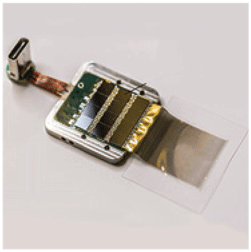
Implantable neural interfaces are important tools to accelerate neuroscience research and translate clinical neurotechnologies. The promise of a bidirectional communication link between the nervous system of humans and computers is compelling, yet important materials challenges must be first addressed to improve the reliability of implantable neural interfaces. This perspective highlights recent progress and challenges related to arguably two of the most common failure modes for implantable neural interfaces: (1) compromised barrier layers and packaging leading to failure of electronic components; (2) encapsulation and rejection of the implant due to injurious tissue–biomaterials interactions, which erode the quality and bandwidth of signals across the biology–technology interface. Innovative materials and device design concepts could address these failure modes to improve device performance and broaden the translational prospects of neural interfaces. A brief overview of contemporary neural interfaces is presented and followed by recent progress in chemistry, materials, and fabrication techniques to improve in vivo reliability, including novel barrier materials and harmonizing the various incongruences of the tissue–device interface. Challenges and opportunities related to the clinical translation of neural interfaces are also discussed.