To save content items to your account,
please confirm that you agree to abide by our usage policies.
If this is the first time you use this feature, you will be asked to authorise Cambridge Core to connect with your account.
Find out more about saving content to .
To save content items to your Kindle, first ensure no-reply@cambridge.org
is added to your Approved Personal Document E-mail List under your Personal Document Settings
on the Manage Your Content and Devices page of your Amazon account. Then enter the ‘name’ part
of your Kindle email address below.
Find out more about saving to your Kindle.
Note you can select to save to either the @free.kindle.com or @kindle.com variations.
‘@free.kindle.com’ emails are free but can only be saved to your device when it is connected to wi-fi.
‘@kindle.com’ emails can be delivered even when you are not connected to wi-fi, but note that service fees apply.
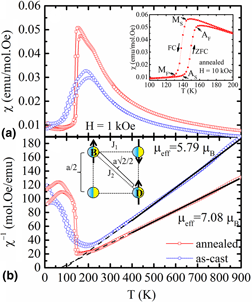
We have synthesized off-stoichiometric Ni40Cu10Mn35Ti15 all-d-metal Heusler alloy with a B2 cubic crystal structure by an arc melting process and investigated its structural, magnetic, electronic, thermal, and mechanical properties under the influence of a single-step thermal annealing. The compound exhibits an antiferromagnetic ordering accompanied by thermal hysteresis indicating a first-order magneto-structural transition. Curie–Weiss molecular field analysis reveals the presence of ferromagnetic interactions competing with long-range antiferromagnetic ordering. Thermal annealing leads to the appearance of a heat capacity sharp peak around antiferromagnetic transition. Electrical resistivity measurements display abrupt changes close to the magneto-structural transition revealing the strong coupling among spin, lattice, and charge degrees of freedom characteristic of a martensitic transition (MT). We have also evaluated its mechanical properties from microhardness measurements, and the results indicate that this alloy exhibits ductile behavior. The occurrence of MT associated with improved ductility is an essential combination for technological application as shape-memory alloys.
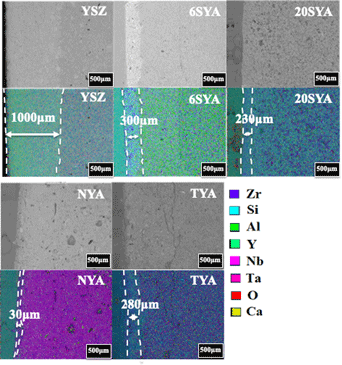
The mitigation of CMAS (calcium–magnesium–aluminum–silicon oxide) infiltration is a major requirement for the stability of thermal barrier coatings. In this study, yttria-stabilized zirconia (YSZ)–Al2O3–SiC, YSZ–Al2O3–Ta2O5, and YSZ–Al2O3–Nb2O5 self-healing composites produced by uniaxially pressing powders were investigated as an alternative to YSZ. CMAS infiltration in these materials was tested at 1250 °C for 10 h. Comparing the depth of CMAS infiltration using scanning electron microscope (SEM) in tandem with electron-dispersive X-ray spectroscopy (EDS), all self-healing materials were found to perform better than the reference materials. While standard YSZ shows massive CMAS infiltration, SEM micrographs and EDS maps revealed a 33-fold improvement in CMAS resistance for the YSZ–Al2O3–Nb2O5 system, which exhibited the best performance among the selected self-repairing materials. X-ray diffraction and high-resolution SEM micrographs taken 10 μm below the surface revealed that CMAS only infiltrated pores in the topmost region of the samples. Both YSZ–Al2O3–Ta2O5 and YSZ–Al2O3–Nb2O5 systems showed no signs of chemical reaction with CMAS.
Given extensive research underscoring the deleterious effects of bullying on youth adjustment, anti-bullying policies and programming are critical public health priorities. However, strategies that increase public support for anti-bullying causes are not well understood. This experiment assessed the influence of “bullying messaging” on support for anti-bullying policies. Specifically, I investigated whether learning about the health consequences of bullying, as opposed to its prevalence or educational impact, increased individuals’ support of anti-bullying policies. Participants (n = 329) were randomly assigned to one of four conditions where they read a brief summary about bullying research; conditions varied by whether the research documented the: a) prevalence of bullying b) mental health consequences of bullying c) physical health consequences of bullying or d) academic consequences of bullying. Results indicated that participants endorsed high levels of support for anti-bullying policies, regardless of experimental condition, and that policies aimed at increasing K-12 mental health resources were most supported.
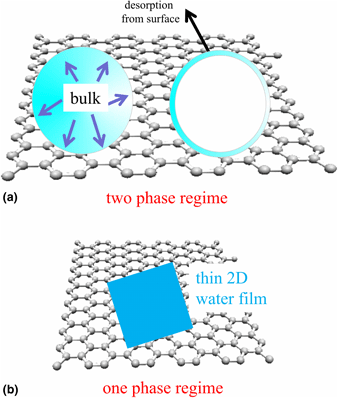
Graphene and its functionalization are still one of the most prominent two-dimensional crystals. In recent years, the wetting properties of graphene for water (i.e., its hydrophobic, hydrophilic, and also icophobic features) were controversially discussed as well as water intercalation and confined water, that have unusual characteristics. The dispute about wetting properties was originally based on contact angle (/engineering) measurements conducted at ambient pressure. In the meanwhile, detailed ultra-high vacuum (UHV) surface science works and theoretical studies are available. This brief review describes the current knowledge available in the literature about the water/graphene system as well as our own work using experimental UHV surface science techniques. The review starts with a definition of hydrophobicity and briefly touches on a possible correlation with icephobicity as well as discusses briefly confined water. Next, theoretical studies are reviewed, and finally, experimental works are described on which the review focusses. Finally, a brief outlook section discusses water adsorption on functionalized graphene.
Persons with rare disorders, such as tetralogy of Fallot, often feel socially isolated due to poor public awareness of the disorder. On 1 May 2017, Jimmy Kimmel aired a segment on Jimmy Kimmel Live! highlighting the impact of tetralogy of Fallot on his son and how the public can learn more about the disorder.
Methods
We tracked public interest in tetralogy of Fallot using Google Trends and Twitter after the episode and constructed an autoregressive integrated moving average algorithm to calculate search volumes had Kimmel not aired the episode.
Results
Google searches and the number of Tweets for tetralogy of Fallot increased by 3063.27% and 4672.62%, respectively, above expected.
Conclusions
Our findings indicate that television talk shows may represent strong outlets for increasing public awareness of rare disorders.
Cyclopentadithiophene (CPDT), a Csp3-bridged bithiophene heteroaromatic unit, displays interesting properties when it is embedded in the repeating units of π-conjugated polymers, and they are applied in organic electronics devices. Common synthetic routes to CPDT-derived polymers rely on toxic methodologies whilst alternative non-toxic strategies such as the Suzuki-Miyaura reaction have been less studied. In this report we demonstrate that the use of a N-methyliminodiacetic acid (MIDA) boronate ester-derived CPDT monomer allows the efficient formation of poly(cyclopentadithiophene) homopolymer under Suzuki-Miyaura cross-coupling reaction conditions. Thus, the use of MIDA boronate esters might be extended to other organic units to design and construct a plethora of π-conjugated polymers.
Thermochemical interactions between calcium–magnesium–aluminosilicate (CMAS) glass and an environmental barrier coating of ytterbium disilicate (Yb2Si2O7) and ytterbium monosilicate (Yb2SiO5) were investigated. Top coats were deposited by plasma spray-physical vapor deposition onto silicon carbide substrates. CMAS powder was prepared as a glass and cast into a tape to yield a CMAS loading of ~29 mg/cm2. Samples were heat treated with CMAS at 1300 °C for 1–10 h or at 1400 °C for 1 h in air. Polished specimen cross-sections were characterized using scanning electron microscopy, X-ray diffraction, X-ray energy-dispersive spectroscopy, and transmission electron microscopy to evaluate resulting microstructures, phases, and compositions at CMAS/Yb2Si2O7 interfaces. Coatings exposed at 1300 °C—10 h and 1400 °C—1 h were fully infiltrated and compromised by CMAS. Dissolution of ytterbium silicate into molten CMAS followed by precipitation of cyclosilicate, silicocarnotite, and Yb2Si2O7 at 1300 °C and Yb2Si2O7 at 1400 °C enabled CMAS to effectively infiltrate top coats, rendering the predominantly Yb2Si2O7 coating ineffective at arresting molten CMAS degradation.
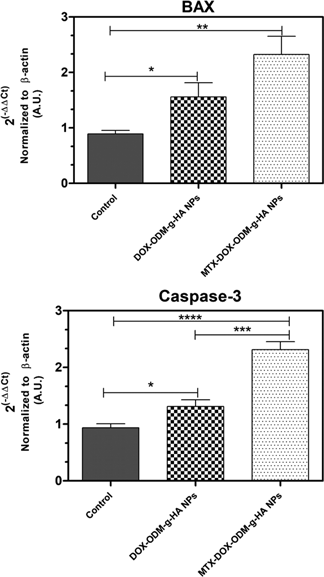
In this study, a hybrid dual drug-loaded hydroxyapatite-oxidized dextran methacrylate core–shell nanocarrier was formulated and explored for combinatorial delivery of doxorubicin (DOX) and methotrexate (MTX) to bone cancer. The synthesized nanocarrier was well characterized by different techniques. In vitro drug release studies in both acidic (pH 5) and alkaline (pH 7.4) conditions showed sequential release of MTX followed by DOX in a sustained manner for 10 days. Biocompatibility and cytotoxicity studies performed using drug-loaded nanoparticles (NPs) on fibroblast L929 cells and osteosarcoma MG63 cells (OMG63) showed that the NPs were highly biocompatible and showed concentration-dependent toxicity. Gene expression studies in OMG-63 cells exhibited the upregulation of caspase-3 and BAX which confirmed the apoptosis induced by dual drug-loaded NPs. The nanocarrier is expected to be a potential bone void filling material, as well as a platform for sequential delivery of DOX and MTX for the treatment of bone cancer.
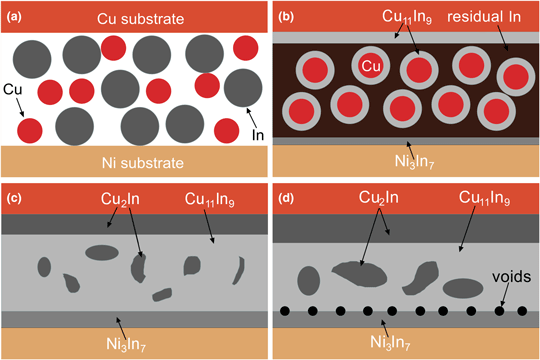
In this paper, the microstructure and the shear property of Cu/In–45Cu/Ni solder joints by transient liquid phase were studied, and the intermetallic compounds (IMCs) growth mechanism was investigated. The results showed that the IMCs volume ratio of solder joints was increased firstly and then decreased with increasing bonding time, and the IMCs volume ratio reached its maximum value of 95.8% at 60 min. The Cu interfacial IMC of the solder joint with dense microstructure was Cu2In phase at 60 min, and the Ni interfacial IMC was Ni3In7. The maximum shear strength of solder joints was obtained at 60 min, which is 15.21 MPa. The shear fracture appeared honeycomb structure, and the fracture occurred at the phase interface of Ni3In7/Cu11In9. The thickness of the interfacial IMCs and the white IMCs around the Cu particles (Cu@IMC) was increased continuously with increasing bonding time, and thus, the interconnection of Cu–Ni substrates was realized ultimately.
This work investigates the influence of poly(dimethylsiloxane) (PDMS) within a nanocomposite coating solution constituted by silica nanoparticles and toluene on mechanical properties, surface wettability, and surface morphology. The developed coating's hardness and elastic modulus were studied in detail. A variation in mechanical properties was observed as the amount of PDMS was varied. Also, the average surface roughness, skewness, and kurtosis values show the influence of the amount of PDMS on the surface roughness characteristics of the coating. Furthermore, it was observed that the water contact angles were linked with the proportion of PDMS.
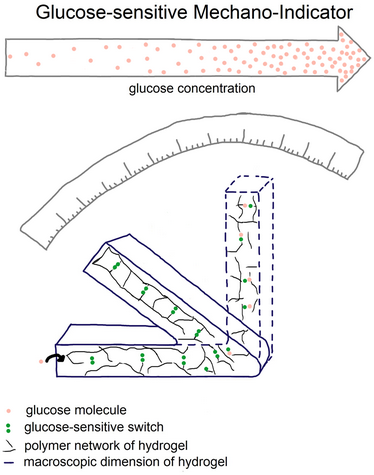
Boronic ester bonds can be reversibly formed between phenylboronic acid (PBA) and triol moieties. Here, we aim at a glucose-induced shape-memory effect by implementing such bonds as temporary netpoints, which are cleavable by glucose and by minimizing the volume change upon stimulation by a porous cryogel structure. The polymer system consisted of a semi-interpenetrating network (semi-IPN) architecture, in which the triol moieties were part of the permanent network and the PBA moieties were located in the linear polymer diffused into the semi-IPN. In an alkaline medium (pH = 10), the swelling ratio was approximately 35, independent of Cglu varied between 0 and 300 mg/dL. In bending experiments, shape fixity Rf ≈ 80% and shape recovery Rr ≈ 100% from five programming/recovery cycles could be determined. Rr was a function of Cglu in the range from 0 to 300 mg/dL, which accords with the fluctuation range of Cglu in human blood. In this way, the shape-memory hydrogels could play a role in future diabetes treatment options.
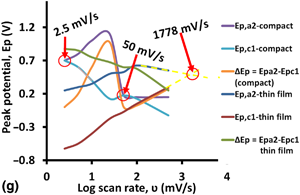
The development of new metalloplastic material from the combination of an alkaline-fused dehydrated glucose–copper (II) chloride, carbon soot, and polysulfone and the evaluation of its potential for the electrochemical detection of a pro-carcinogenic humic acid in water is reported. Excellent detection limit greater than 1 pico-part-per-million (order of 10–13 mg/L) was achieved, a value that proved to be first-of-its-kind till date. Transfer coefficients between 0.8 and 1.0 were realized. The new material showed some potential for splitting hydrogen peroxide to oxygen and thus may be explored for energy application in addition to its use as a water quality monitoring probe.
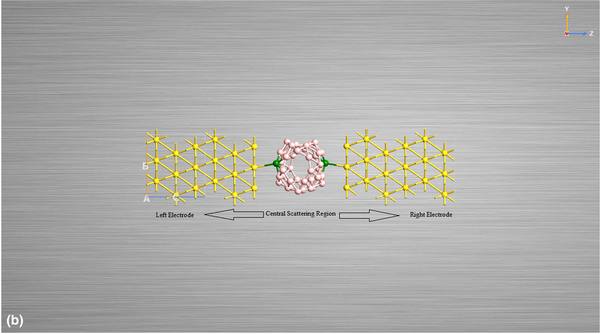
The capability of borospherene to detect radioactive pollutants (radon and radium) is investigated utilizing density functional theory and nonequilibrium Green's function regime. The quantum transport is evaluated by calculating the density of states, chemical potential, transmission and molecular energy spectra, highest occupied molecular orbital (HOMO)–lowest unoccupied molecular orbital (LUMO) gap, electron densities, current–voltage curve, and differential and quantum conductance. LUMO-mediated transmission is observed in all the cases. The conduction considerably declines in B40 molecular junction doped with radioactive pollutants in comparison to pure B40 molecular junction. This decrease in conduction is due to reduced electron density and higher chemical potential in doped B40 junctions. Due to different values of current and differential conductance, we propose utilization of B40 in detecting the presence of radioactive pollutants in underground water. Also, all molecular junctions assay lifting of Coulomb blockade at equilibrium state; thus, these devices can be effectively utilized in single-electron transistor applications.
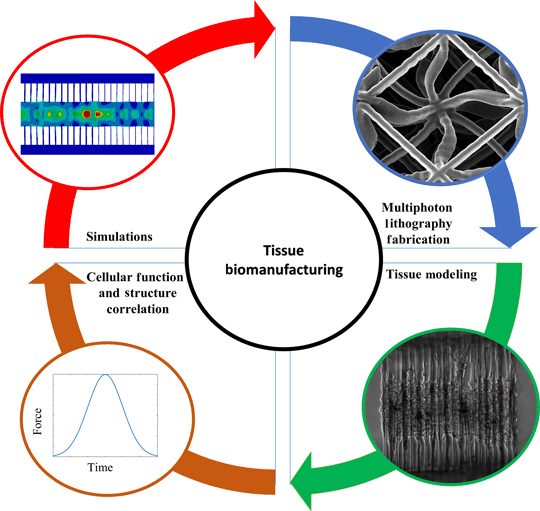
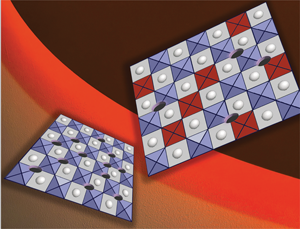
The deeper comprehension of biological phenomena has led to the pursuit of designing and architecting complex biological systems. This has been incorporated through the advances in bioprinting of artificial organs and implants even at the microscale. In addition, tissue modeling has been employed to understand and prevent malfunctional and detrimental mechanisms that lead to fatal diseases. Furthermore, the endeavor to convey the mechanical properties of both scaffolds and cells has enabled the unveiling of disease modeling and regenerative medicine. This paper aims to provide a brief review of the design, modeling and characterization of conventional and architected structures employed in bioengineering.
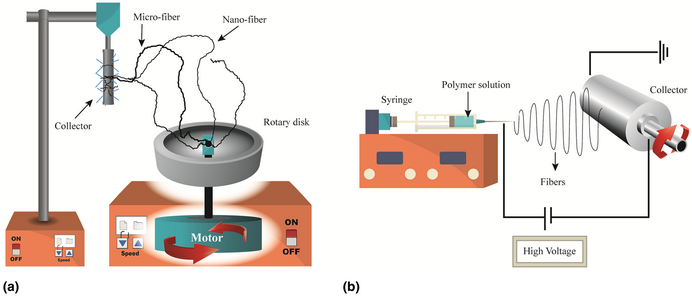
Cellprene™ is a recently developed polymeric blend based on poly(lactide-co-glycolide) (PLGA)/polyisoprene (PI) with good biological performance for biomedical applications. However, its potential as fiber scaffold in tissue engineering is still unknown, and the influence of processing parameters is yet to be understood. In this study, several compositions based on PLGA/PI blend mixed with hydroxyapatite (HAp) and polyethylene glycol (PEG) were prepared by solvent casting. Then, the membranes were used to produce micro/nanofibers by centrifugal spinning (CS) and electrospinning (ES). The viscosity's effect was studied to find an ideal viscosity value to produce homogeneous micro/nanofibers. The in vitro bioactivity test was also performed. Rheological results showed that the best viscosity range was (0.105 Pa s > η > 0.138 Pa s) for CS; larger fibers of ES were produced with lower viscosities. The sample with the lowest HAp concentration exhibited thinner and more homogeneous non-beaded fibers and proved its bioactivity response.
When I began writing this article, it was just the beginning of COVID-19, when we were not yet social distancing. Everything has changed since then, but not a conviction I have disseminated for more than 25 years. More than ever, I maintain that formally addressing the critical visual component of research should be part of every researcher's education. How you visually represent your work not only communicates to others in your discipline. Crafting your visual presentations helps clarify your own thinking and, just as important, is a means of engaging the public. In these challenging times, when society is bombarded with complex information, it is more essential than ever to develop a more accessible and honest visual “language” for the public to understand and gather that information. Formal programs in teaching visual communication will help show the world, outside the research community, how to look at science, understand it, question it, and, hopefully, make smart decisions.
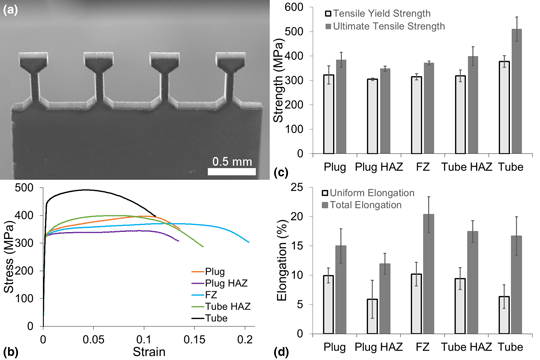
FeCrAl alloys are among the best and most mature accident tolerant fuel cladding candidates produced to date, due to their superior combination of mechanical properties and stability at elevated temperatures. For fuel cladding applications, these materials are drawn into tubes with plugs welded to the ends. The mechanical properties of such welds and the impact on cladding performance have not been fully investigated. A novel mesoscale mechanical test and a variety of microscale tests were performed to evaluate a range of properties including nanoindentation hardness, compression and shear yield strengths, and tensile strengths and elongations. Micromechanical testing generally matched the trends of the larger mesoscale testing, with nanoindentation reproducing the trend the best, although some discrepancies existed in regions with low dislocation content. Mesoscale tensile testing showed good correlation with macroscale tests and revealed that the plug heat-affected zone possessed the lowest strength and ductility. This indicated that failure would occur first in or near this region.