Refine search
Actions for selected content:
212200 results in Engineering
Efficient phase locking in massive laser arrays with deep learning from structured data
-
- Journal:
- High Power Laser Science and Engineering / Volume 13 / 2025
- Published online by Cambridge University Press:
- 30 June 2025, e62
-
- Article
-
- You have access
- Open access
- HTML
- Export citation
A proposed conceptual architecture for time-sensitive software-systems
-
- Journal:
- Research Directions: Cyber-Physical Systems / Volume 3 / 2025
- Published online by Cambridge University Press:
- 30 June 2025, e4
-
- Article
-
- You have access
- Open access
- HTML
- Export citation
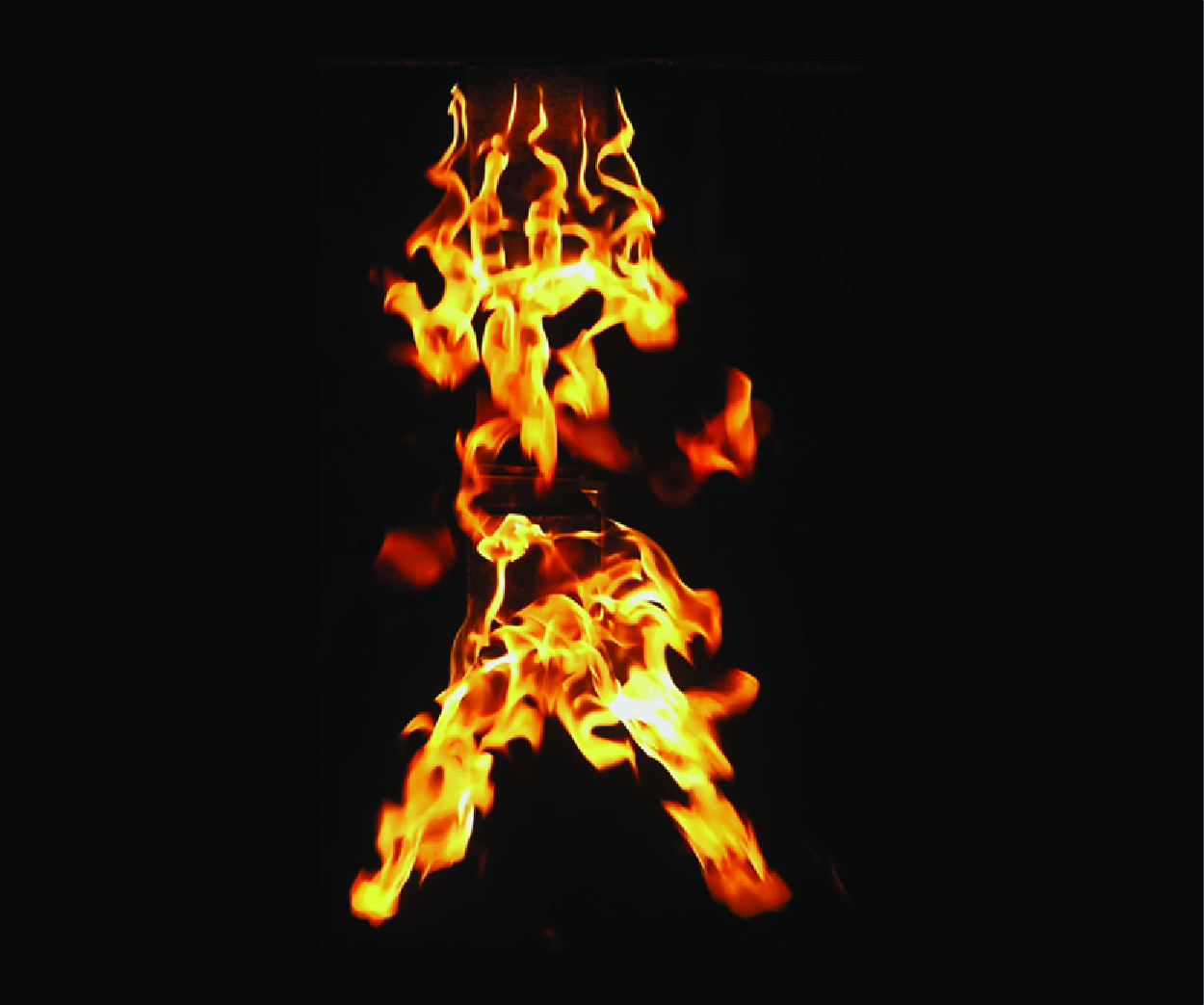
Cross-wind-induced spanwise flapping of tandem turbulent diffusion flames: experimental- and large eddy simulation-based study
-
- Journal:
- Journal of Fluid Mechanics / Volume 1014 / 10 July 2025
- Published online by Cambridge University Press:
- 30 June 2025, A10
-
- Article
- Export citation
-
This research investigates the spanwise oscillation patterns of turbulent non-premixed flames in a tandem configuration, using both experimental methods and large eddy simulations under cross-airflow conditions. Based on the heat release rate (17.43–34.86 kW) and the burner size (0.15 $\times$ 0.15 m), the flame behaves like both a buoyancy-controlled fire (such as a pool fire) and, due to cross-wind effects, a forced flow-controlled fire. The underlying fire dynamics was modelled by varying the spacing between the square diffusion burners, cross-wind velocity and heat release rate. Two flapping modes, the oscillating and bifurcating modes, were observed in the wake of the downstream diffusion flame. This behaviour depends on the wake of the upstream diffusion flame. As the backflow of the upstream flame moved downstream, the maximum flame width of the downstream flame became broader. The flapping amplitude decreased with a stronger cross-wind. Furthermore, the computational fluid dynamics simulation was performed by FireFOAM based on OpenFOAM v2006 2020 to investigate the flapping mechanism. The simulation captured both modes well. Disagreement of the flapping period on the left and right sides results in the oscillating mode, while an agreement of the flapping period results in the bifurcating mode. Finally, the scaling law expressed the dimensionless maximum flame width with the proposed set of basic dimensional parameters, following observations and interpretation by simulations. The results help prevent the potential hazards of this type of basic fire scenario and are fundamentally significant for studying wind-induced multiple fires.

Clinical and instrument-based assessment of balance, gait, and motor functions in pediatric cerebral palsy: A systematic review
-
- Journal:
- Wearable Technologies / Volume 6 / 2025
- Published online by Cambridge University Press:
- 30 June 2025, e29
-
- Article
-
- You have access
- Open access
- HTML
- Export citation
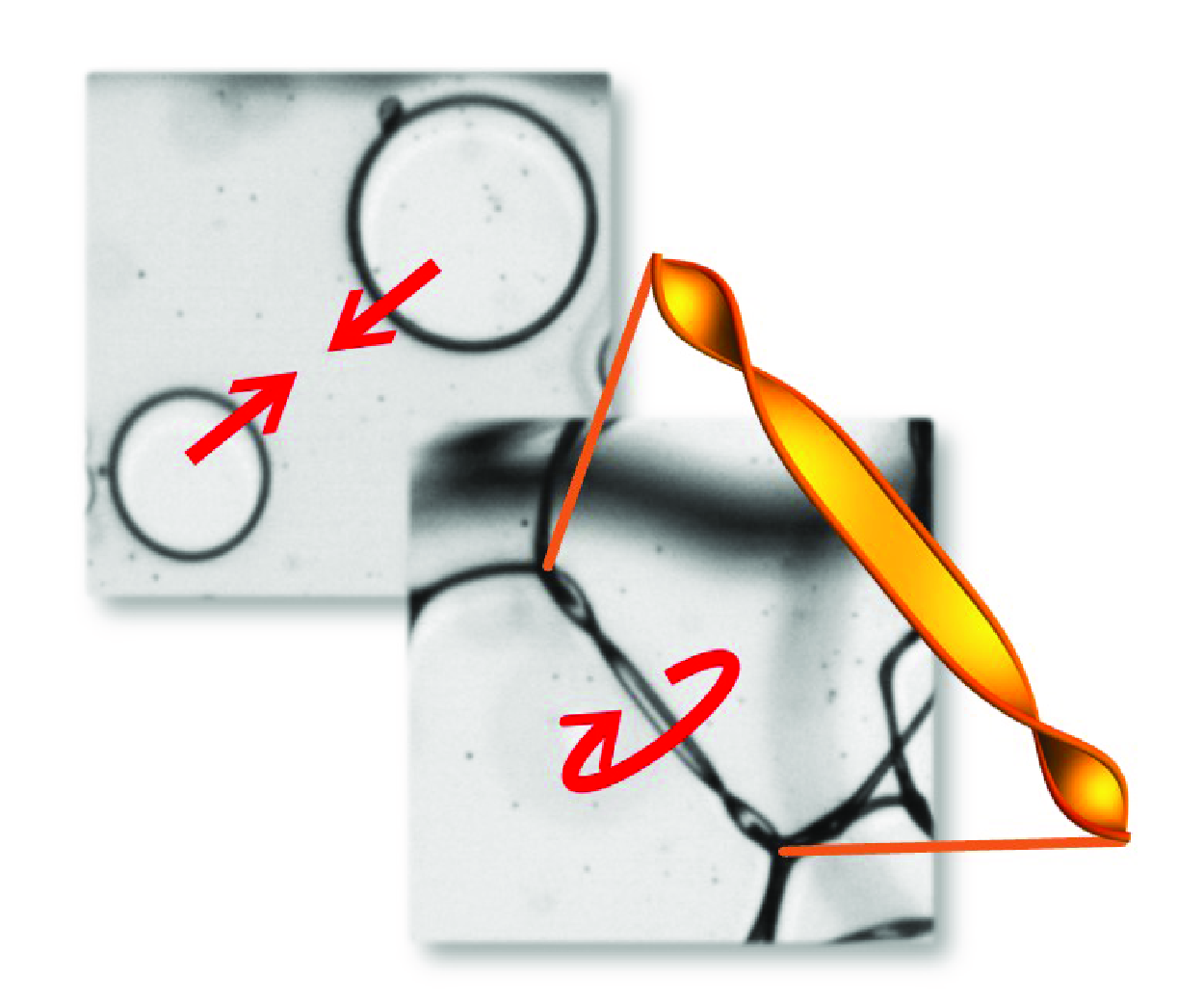
Spinning twisted ribbons: when two holes meet on a curved liquid film
-
- Journal:
- Journal of Fluid Mechanics / Volume 1014 / 10 July 2025
- Published online by Cambridge University Press:
- 30 June 2025, A11
-
- Article
-
- You have access
- Open access
- HTML
- Export citation
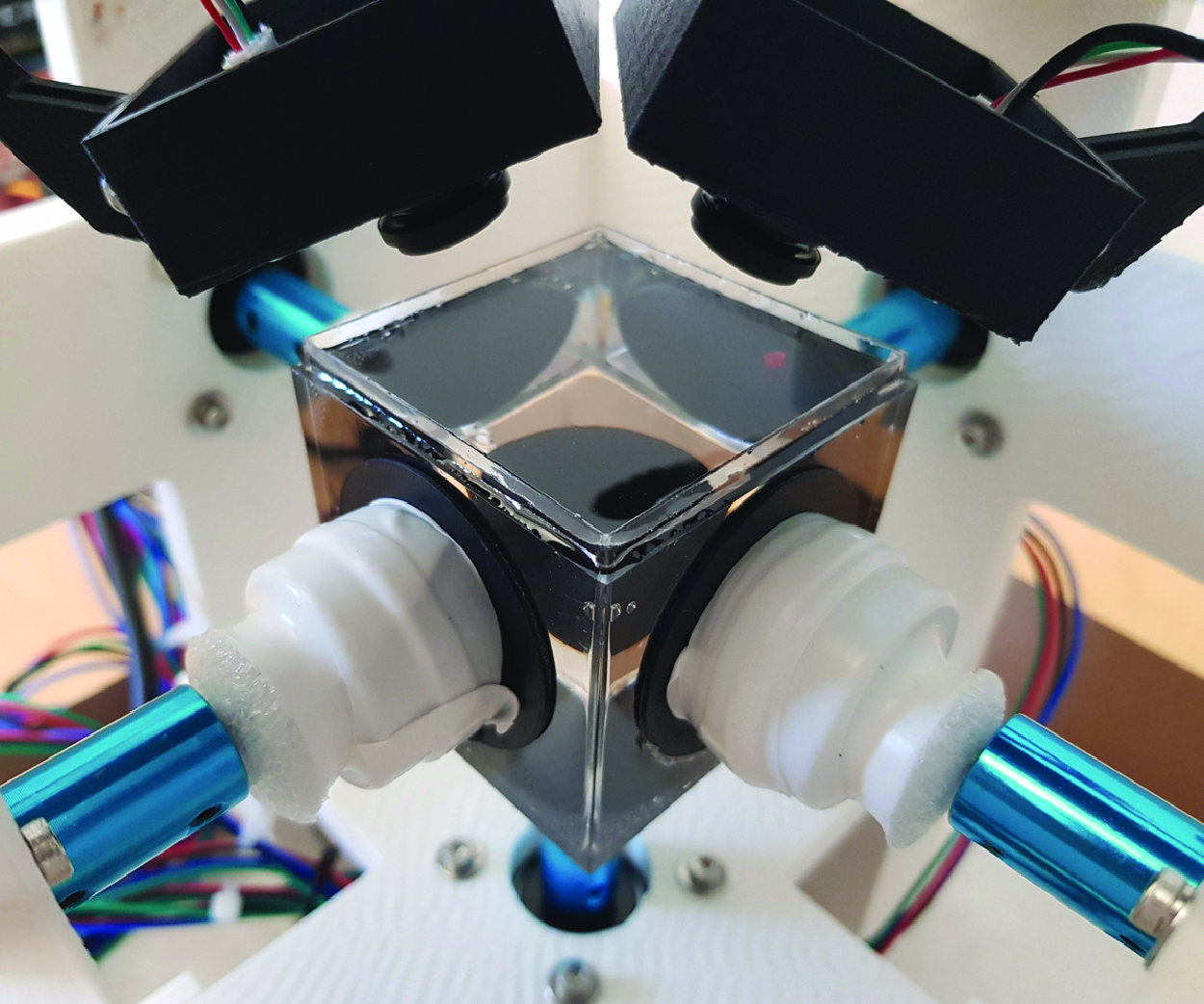
Contactless precision steering of particles in a fluid inside a cube with rotating walls
-
- Journal:
- Journal of Fluid Mechanics / Volume 1014 / 10 July 2025
- Published online by Cambridge University Press:
- 30 June 2025, A15
-
- Article
- Export citation
A novel machine learning-based approach to thermal integrity profiling of concrete pile foundations
- Part of
-
- Journal:
- Data-Centric Engineering / Volume 6 / 2025
- Published online by Cambridge University Press:
- 30 June 2025, e33
-
- Article
-
- You have access
- Open access
- HTML
- Export citation
Multi-view representation learning for performance-based tactical conflict resolution in urban air mobility
-
- Journal:
- The Aeronautical Journal / Volume 129 / Issue 1338 / August 2025
- Published online by Cambridge University Press:
- 30 June 2025, pp. 2240-2262
-
- Article
- Export citation
Bayesian optimization of underground railway tunnels using a surrogate model
- Part of
-
- Journal:
- Data-Centric Engineering / Volume 6 / 2025
- Published online by Cambridge University Press:
- 30 June 2025, e32
-
- Article
-
- You have access
- Open access
- HTML
- Export citation
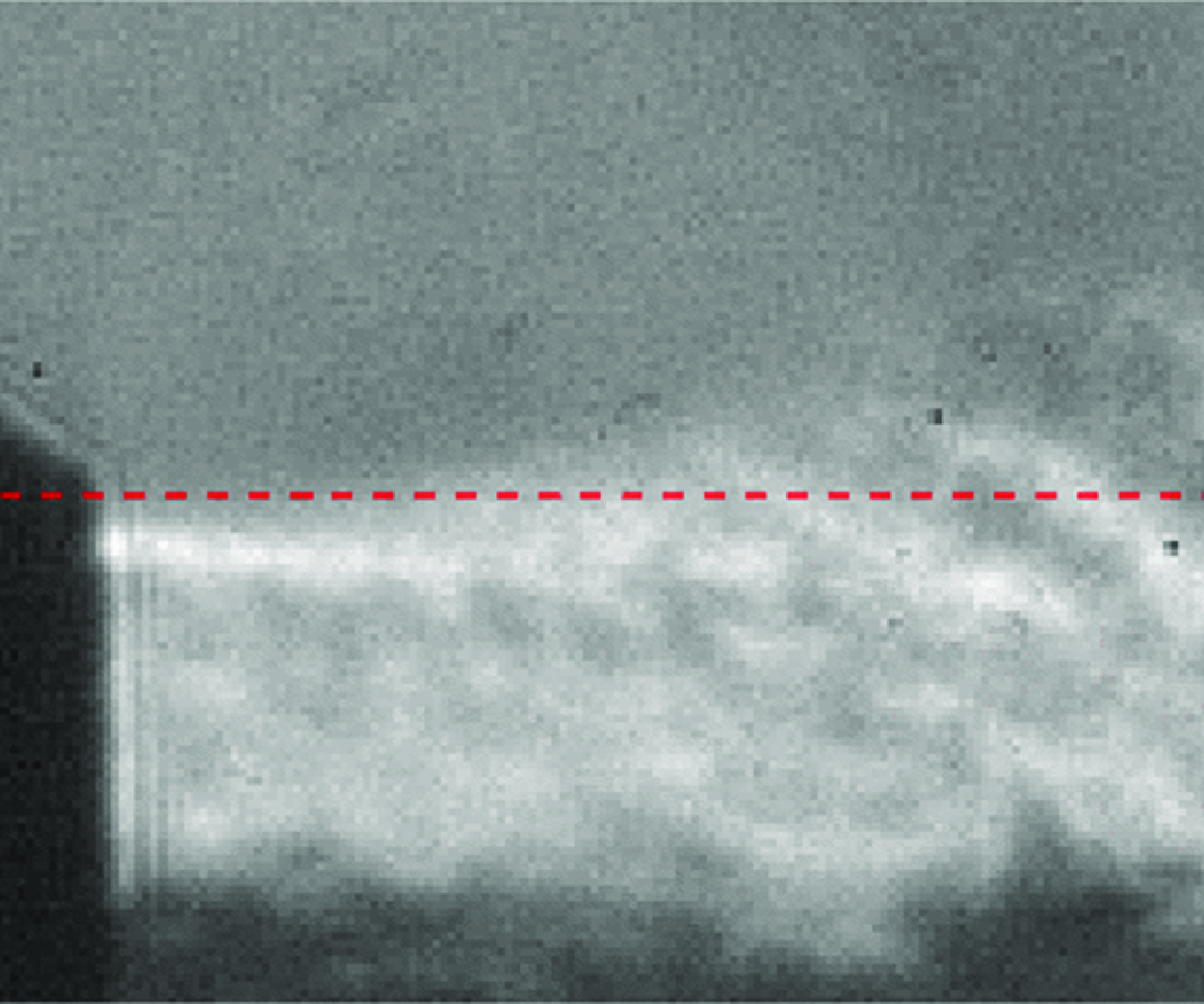
Howling of a model-scale nozzle due to shock-induced boundary-layer separation at its exit
-
- Journal:
- Journal of Fluid Mechanics / Volume 1014 / 10 July 2025
- Published online by Cambridge University Press:
- 30 June 2025, A8
-
- Article
-
- You have access
- Open access
- HTML
- Export citation
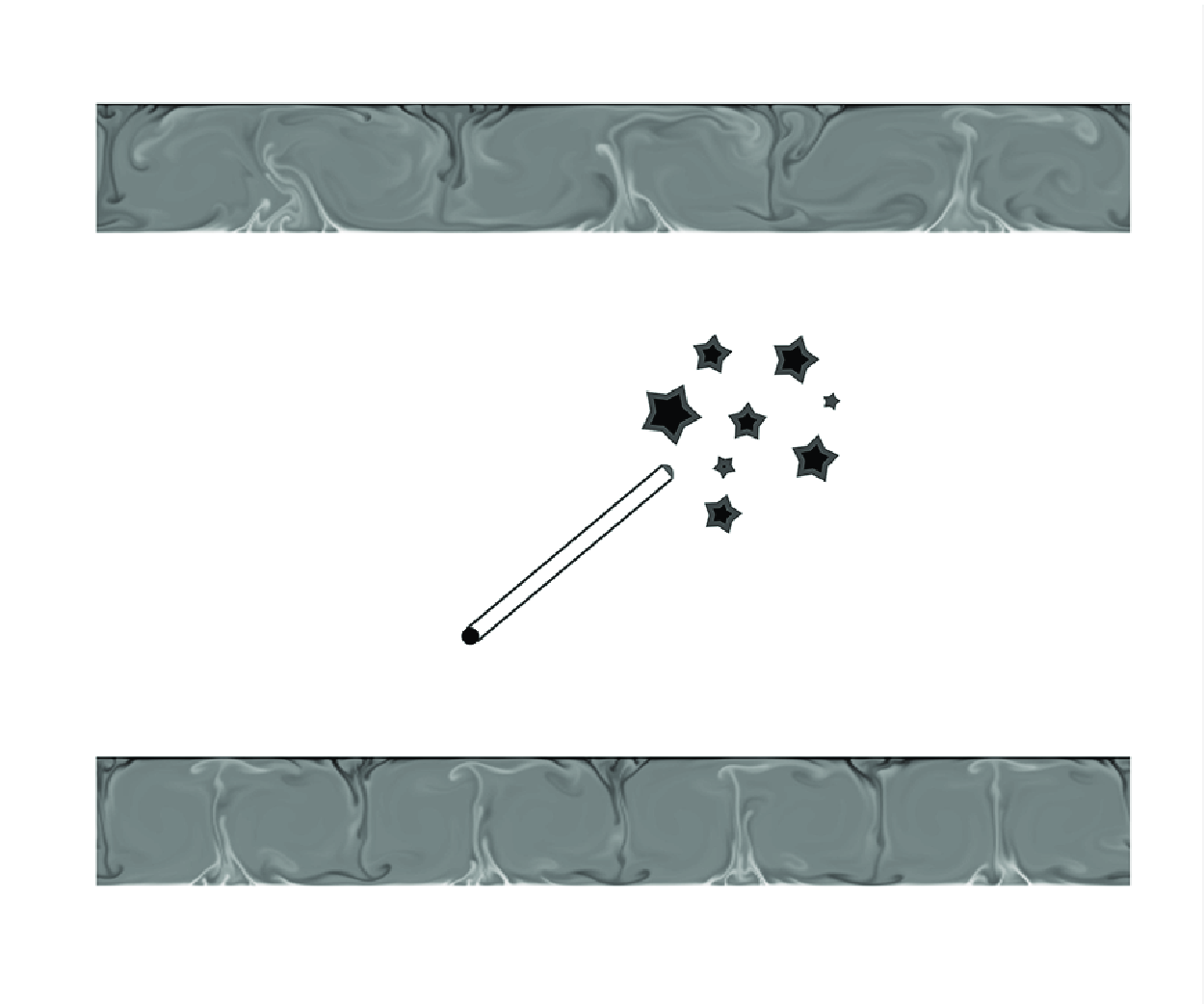
A framework for suppressing triad interaction in nonlinear dynamical systems: application to multiple states in two-dimensional Rayleigh–Bénard convection
-
- Journal:
- Journal of Fluid Mechanics / Volume 1014 / 10 July 2025
- Published online by Cambridge University Press:
- 30 June 2025, A7
-
- Article
-
- You have access
- Open access
- HTML
- Export citation
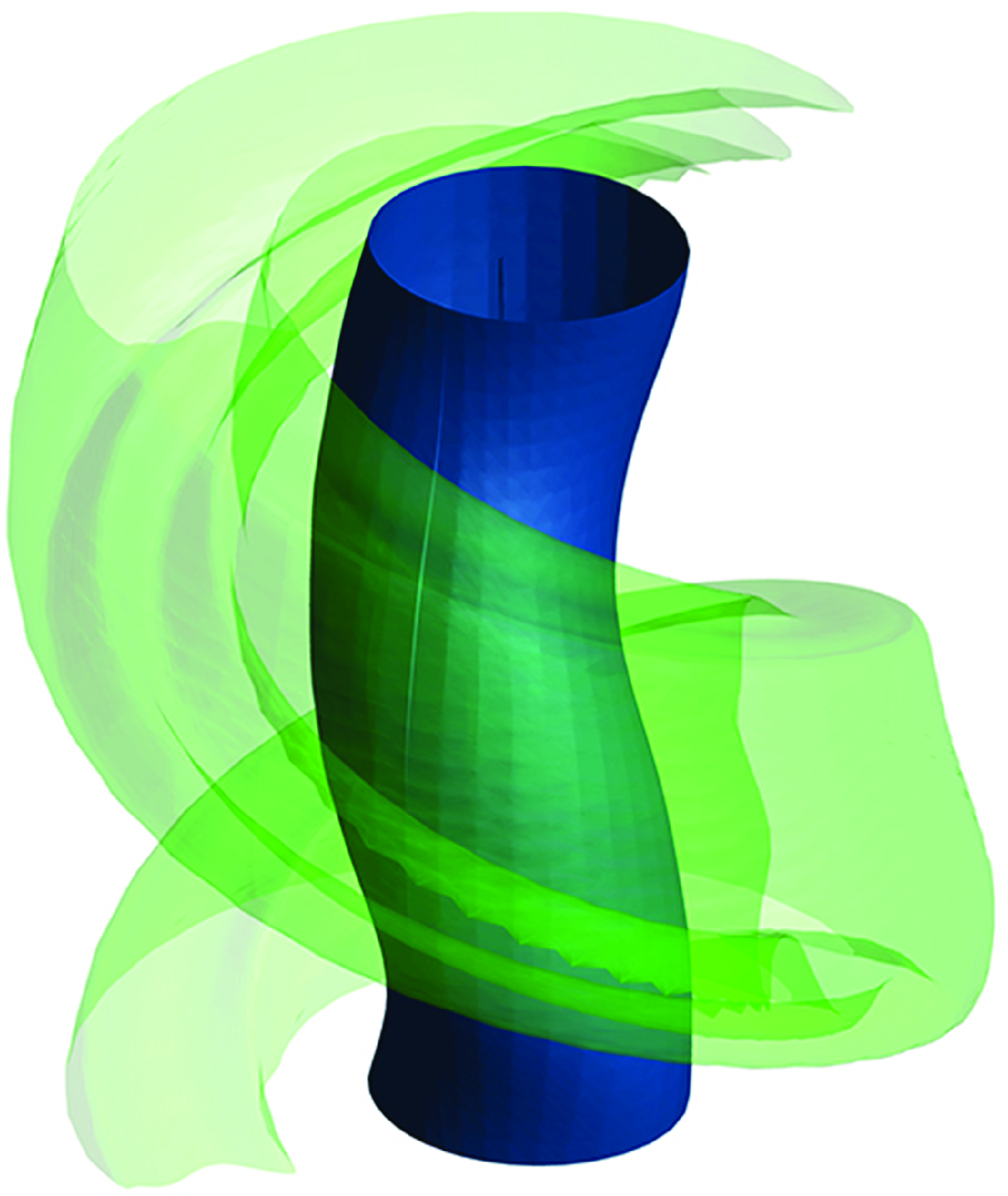
Transient growth of a wake vortex and its initiation via inertial particles
-
- Journal:
- Journal of Fluid Mechanics / Volume 1014 / 10 July 2025
- Published online by Cambridge University Press:
- 30 June 2025, A16
-
- Article
-
- You have access
- Open access
- HTML
- Export citation
-
The transient dynamics of a wake vortex, modelled as a strong swirling $q$-vortex, is investigated with a focus on optimal transient growth driven by continuous eigenmodes associated with continuous spectra. The pivotal contribution of viscous critical-layer eigenmodes (Lee and Marcus, J. Fluid Mech. vol. 967, 2023, p. A2) amongst the entire eigenmode families to optimal perturbations is numerically confirmed, using a spectral collocation method for a radially unbounded domain that ensures correct analyticity and far-field behaviour. The consistency of the numerical method across different sensitivity tests supports the reliability of the results and provides flexibility for tuning. Both axisymmetric and helical perturbations with axial wavenumbers of order unity or less are examined through linearised theory and nonlinear simulations, yielding results that align with existing literature on energy growth curves and optimal perturbation structures. The initiation process of transient growth is also explored, highlighting its practical relevance. Inspired by ice crystals in contrails, the backward influence of inertial particles on the vortex flow, particularly through particle drag, is emphasised. In the pursuit of optimal transient growth, particles are initially distributed at the periphery of the vortex core to disturb the flow. Two-way coupled vortex–particle simulations reveal clear evidence of optimal transient growth during ongoing vortex–particle interactions, reinforcing the robustness and significance of transient growth in the original nonlinear vortex system over finite time periods.

A multi-threaded back-and-forth algorithm for planning unmanned aerial vehicles
-
- Journal:
- The Aeronautical Journal / Volume 129 / Issue 1341 / November 2025
- Published online by Cambridge University Press:
- 30 June 2025, pp. 3083-3108
-
- Article
- Export citation
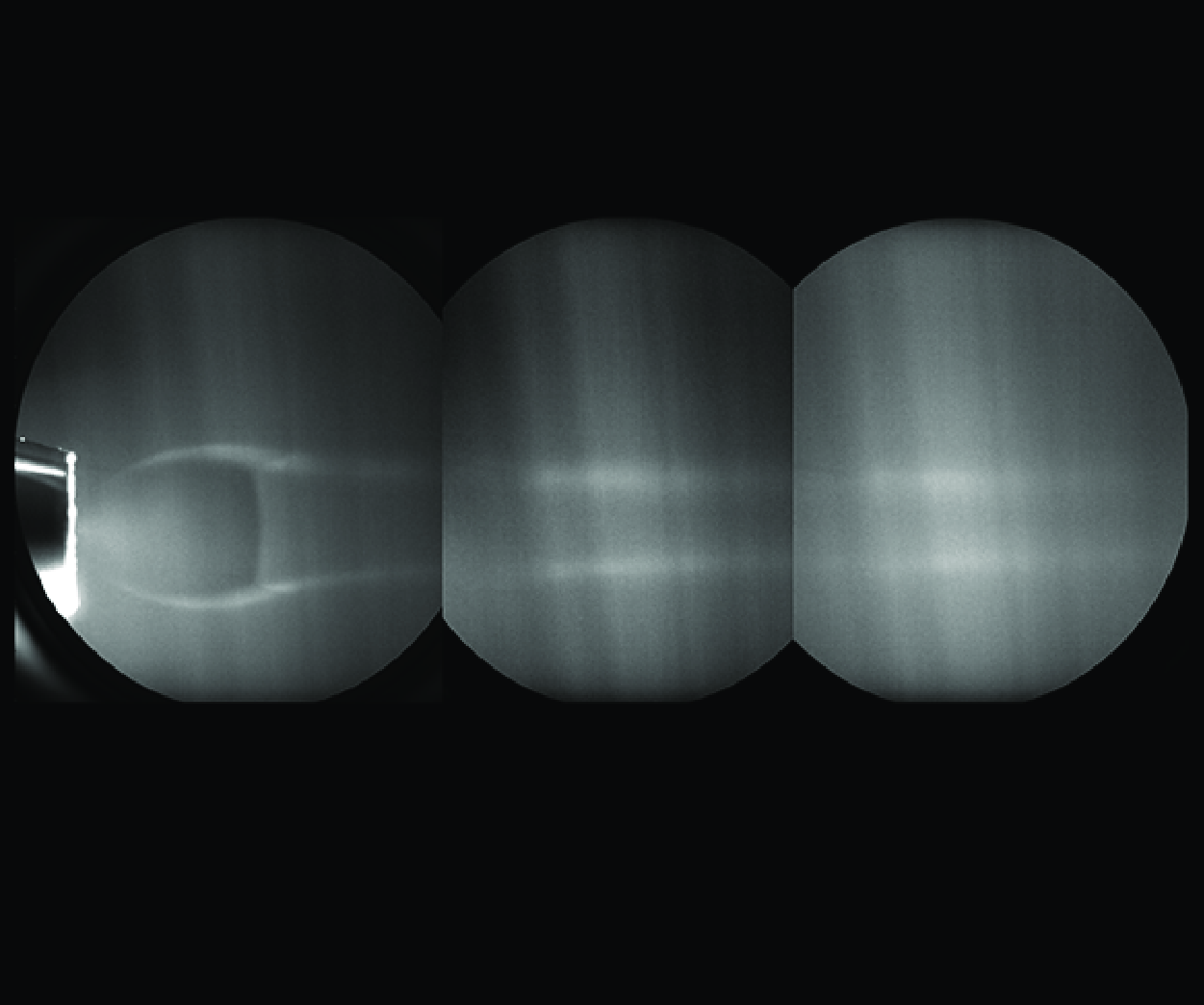
Experimental investigation of turbulent and laminar flow regimes in a supersonic free jet under near-vacuum conditions
-
- Journal:
- Journal of Fluid Mechanics / Volume 1014 / 10 July 2025
- Published online by Cambridge University Press:
- 30 June 2025, A12
-
- Article
-
- You have access
- Open access
- HTML
- Export citation
Novel magnetometer-free inertial-measurement-unit-based orientation estimation approach for measuring upper limb kinematics
-
- Journal:
- Wearable Technologies / Volume 6 / 2025
- Published online by Cambridge University Press:
- 30 June 2025, e28
-
- Article
-
- You have access
- Open access
- HTML
- Export citation
-
This study addresses challenges in sensor fusion for accurate and robust joint orientation estimation in human movement analysis using wearable inertial measurement units (IMUs). A magnetometer-free refined Kalman filter (KF) approach is presented and validated to address various indoor environmental constraints and challenges posed by human movement. These include variability in motion and dynamics, as well as magnetic disturbances caused by ferromagnetic materials or electronic interferences. Our proposed approach utilizes a Kalman-filter-based framework that analyzes the accelerometer’s alignment with the Earth’s frame to estimate orientation and correct gyroscope readings, eliminating reliance on magnetometer inputs. The algorithm was tested on both controlled robotic movements and real-world upper-limb-motion-monitoring scenarios. First, a comparative analysis was conducted on the double-stage Kalman filter (DSKF) and complementary filter using the collected robot motion encoder data. The results demonstrated superior performance in orientation estimation, particularly in yaw measurements, where the proposed method significantly improved accuracy. It achieved a lower root mean square error (RMSE = $ {2.447}^{\circ } $) and mean absolute error (MAE = $ {2.006}^{\circ } $), outperforming both the DSKF and complementary filter approaches. Additionally, the study’s findings were validated against a standard motion capture system, revealing error metrics within generally acceptable ranges ( $ \le 12.4\% $ of the joint range of motion [ROM]) and strong correlation coefficients ( $ {r}^2>0.89 $). However, some deviations were observed during complex motion cycle intervals, highlighting opportunities for further refinement. These findings suggest that the proposed approach presents a promising alternative for human joint orientation estimation in industrial settings with magnetic distortions.


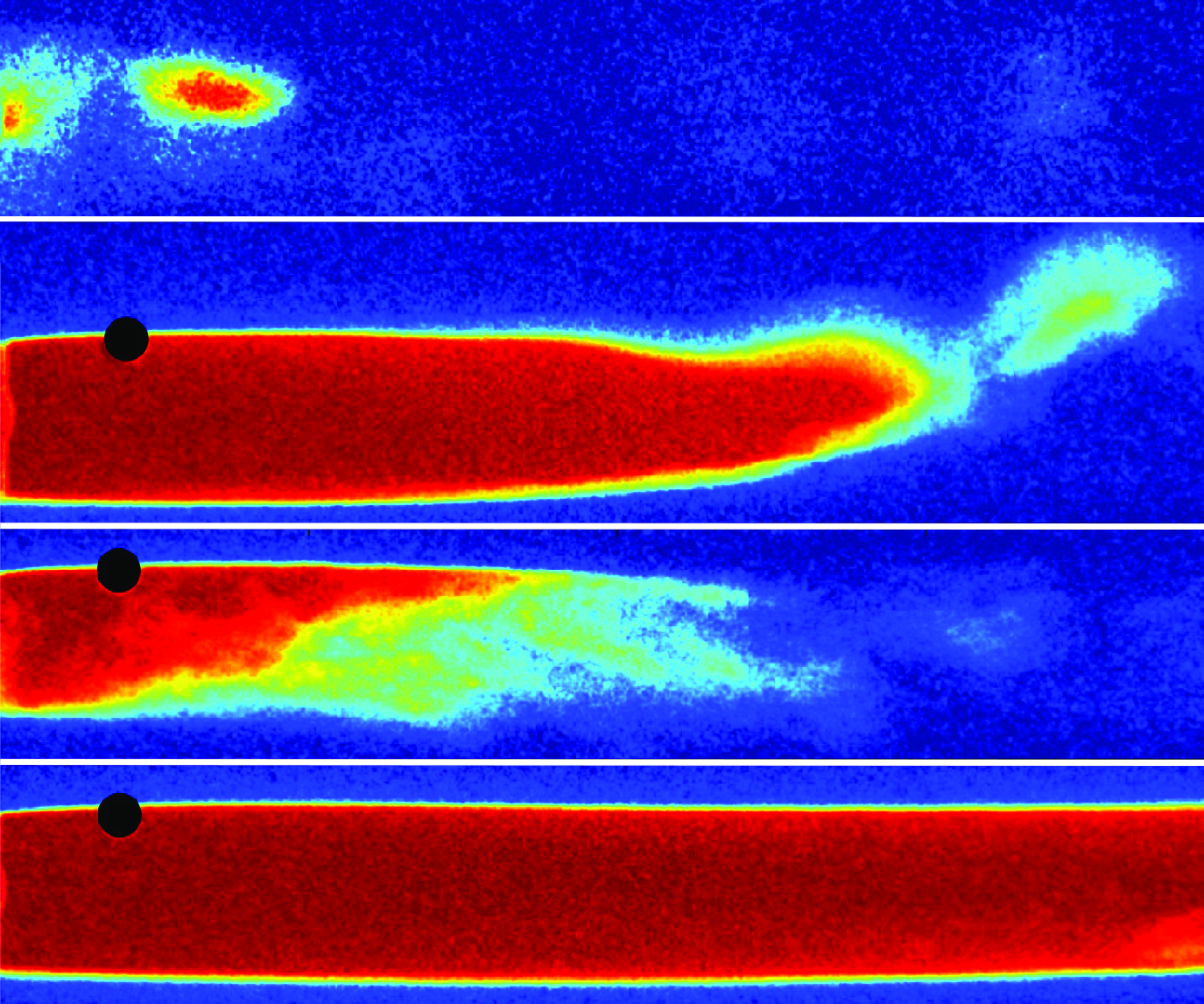
Examination of ventilated cavities in the wake of a two-dimensional bluff body using X-ray densitometry
-
- Journal:
- Journal of Fluid Mechanics / Volume 1014 / 10 July 2025
- Published online by Cambridge University Press:
- 30 June 2025, A14
-
- Article
-
- You have access
- Open access
- HTML
- Export citation
-
Ventilated cavities in the wake of a two-dimensional bluff body are studied experimentally via time-resolved X-ray densitometry. With a systematic variation of flow velocity and gas injection rate, expressed as Froude number ( $\textit{Fr}$) and ventilation coefficient ( $C_{qs}$), four cavities with different closure types are identified. A regime map governed by $\textit{Fr}$ and $C_{qs}$ is constructed to estimate flow conditions associated with each cavity closure type. Each closure exhibits a different gas ejection mechanism, which in turn dictates the cavity geometry and the pressure in the cavity. Three-dimensional cavity closure is seen to exist for the supercavities at low $\textit{Fr}$. However, closure is nominally two-dimensional for supercavities at higher $\textit{Fr}$. At low $C_{qs}$, cavity closure is seen to be wake-dominated, while supercavities are seen to have interfacial perturbation near the closure at higher $C_{qs}$, irrespective of $\textit{Fr}$. With the measured gas fraction, a gas balance analysis is performed to quantify the gas ejection rate at the transitional cavity closure during its formation. For a range of $\textit{Fr}$, the transitional cavity closure is seen to be characterised by re-entrant flow, whose intensity depends on the flow inertia, dictating the gas ejection rates. Two different ventilation strategies were employed to systematically investigate the formation and maintenance gas fluxes. The interaction of wake and gas injection is suspected to dominate the cavity formation process and not the maintenance, resulting in ventilation hysteresis. Consequently, the ventilation gas flux required to maintain the supercavity is significantly less than the gas flux required to form the supercavity.


Thickness model for viscous impinging liquid sheets
-
- Journal:
- Journal of Fluid Mechanics / Volume 1014 / 10 July 2025
- Published online by Cambridge University Press:
- 30 June 2025, R3
-
- Article
- Export citation
Investigation on the cavitation bubble dynamics and pressure characteristics near a wall with a viscous oil layer
-
- Journal:
- Journal of Fluid Mechanics / Volume 1014 / 10 July 2025
- Published online by Cambridge University Press:
- 30 June 2025, A9
-
- Article
-
- You have access
- Open access
- HTML
- Export citation
-
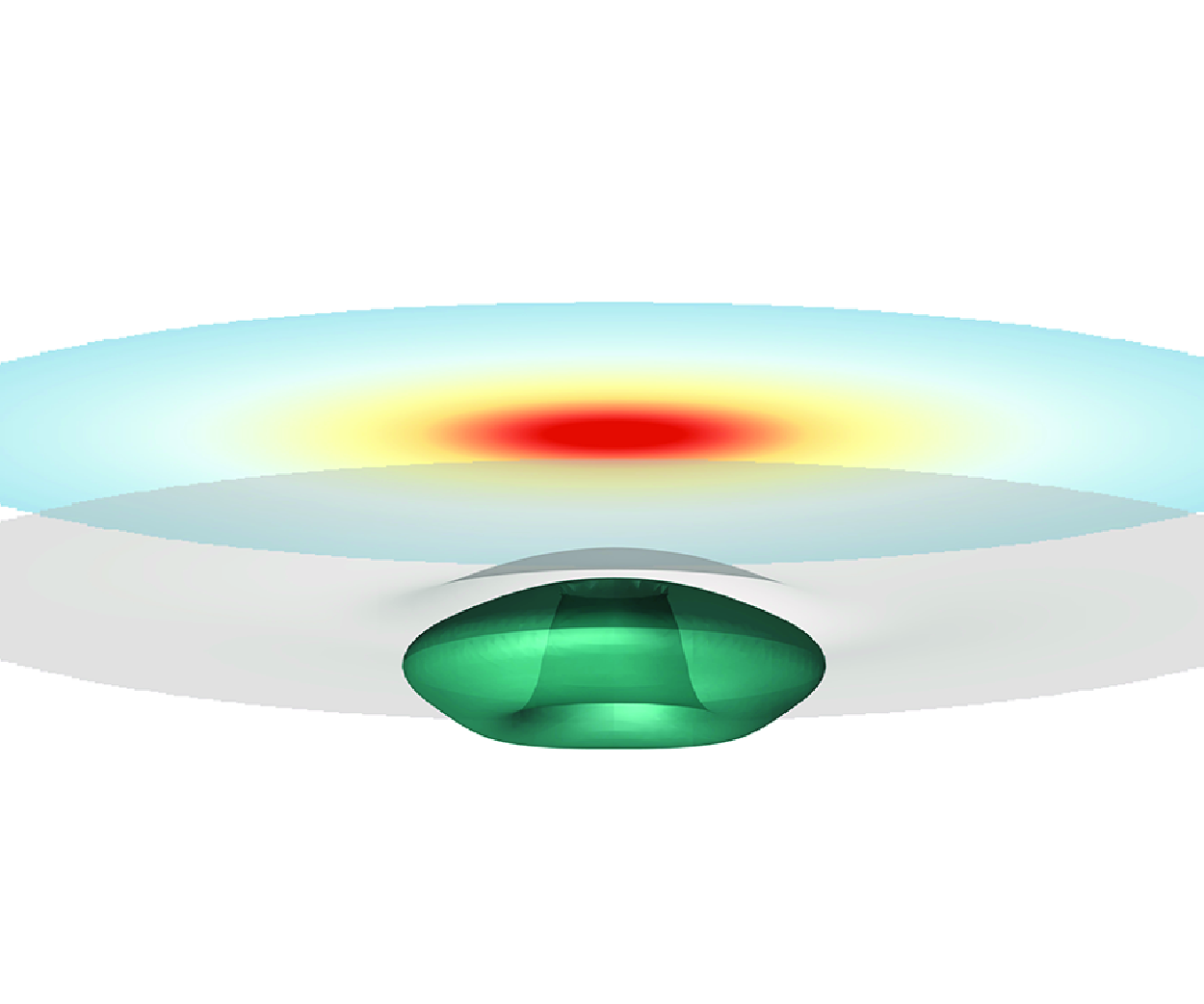
Cavitation bubble pulsation and liquid jet loads are the main causes of hydraulic machinery erosion. Methods to weaken the load influences have always been hot topics of related research. In this work, a method of attaching a viscous layer to a rigid wall is investigated in order to reduce cavitation pulsations and liquid jet loads, using both numerical simulations and experiments. A multiphase flow model incorporating viscous effects has been developed using the Eulerian finite element method (EFEM), and experimental methods of a laser-induced bubble near the viscous layer attached on a rigid wall have been carefully designed. The effects of the initial bubble–wall distance, the thickness of the viscous layer, and the viscosity on bubble pulsation, migration and wall pressure load are investigated. The results show that the bubble migration distance, the normalised thickness of the oil layer and the wall load generally decrease with the initial bubble–wall distance or the oil-layer parameters. Quantitative analysis reveals that when the initial bubble–wall distance remains unchanged, there exists a demarcation line for the comparison of the bubble period and the reference period (the bubble period without viscous layer under the same initial bubble–wall distance), and a logarithmic relationship is observed that $\delta \propto \log_{10} \mu ^*$, where $\delta =h/R_{max}$ is the thickness of the viscous layer h normalised by the maximum bubble radius $R_{max}$, $\mu ^* = \mu /({R_{max }}\sqrt {{\rho }{{\mathop {P}\nolimits } _{{atm}}}})$ is the dynamic viscosity $\mu$ normalised by water density $ \rho $ and atmospheric pressure $P_{atm}$. The results of this paper can provide technical support for related studies of hydraulic cavitation erosion.


Manufacturing Processes
- Casting, Forming, and Welding
-
- Published online:
- 27 June 2025
- Print publication:
- 03 July 2017
-
- Textbook
- Export citation
Scattering parameters of a wet radome
-
- Journal:
- International Journal of Microwave and Wireless Technologies / Volume 17 / Issue 5 / June 2025
- Published online by Cambridge University Press:
- 27 June 2025, pp. 862-873
-
- Article
-
- You have access
- Open access
- HTML
- Export citation
