To save content items to your account,
please confirm that you agree to abide by our usage policies.
If this is the first time you use this feature, you will be asked to authorise Cambridge Core to connect with your account.
Find out more about saving content to .
To save content items to your Kindle, first ensure no-reply@cambridge.org
is added to your Approved Personal Document E-mail List under your Personal Document Settings
on the Manage Your Content and Devices page of your Amazon account. Then enter the ‘name’ part
of your Kindle email address below.
Find out more about saving to your Kindle.
Note you can select to save to either the @free.kindle.com or @kindle.com variations.
‘@free.kindle.com’ emails are free but can only be saved to your device when it is connected to wi-fi.
‘@kindle.com’ emails can be delivered even when you are not connected to wi-fi, but note that service fees apply.
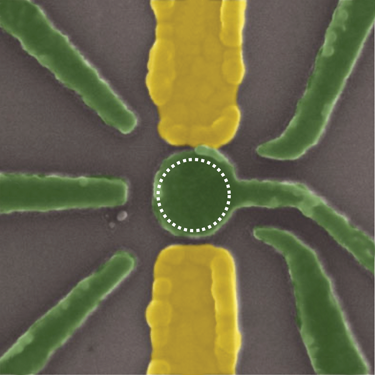
Quantum computing, sensing, and communications are emerging technologies that may circumvent known limitations of their existing traditional counterparts. While the promises of these technologies are currently narrow in scope, it is possible that they will broadly impact our lives by revolutionizing the capabilities of data centers and medical diagnostics, for example. At the heart of these technologies is the use of a quantum object to contain information, called a quantum bit or qubit. Current realizations of qubits exist in a broad variety of material systems, including individual spins in semiconductors or insulators, superconducting circuits, and trapped ions. Further advancement of qubits requires significant contributions from materials science in areas of materials selection, synthesis, fabrication, simulation and characterization. Here, we discuss some of the needs and opportunities for contributions to advance the fundamental understanding of materials used in quantum information applications.
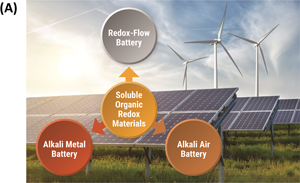
Because of their structural versatility, fast redox reactivity, high storage capacity, sustainability, and environmental friendliness, soluble organic redox molecules have emerged as materials that have potential for use in energy-storage systems. Considering these advantages, this paper reviews recent progress in implementing such materials in aqueous soluble organic redox flow batteries and organic alkali metal/air batteries. We identify and discuss major challenges associated with molecular structures, cell configurations, and electrochemical parameters. Hopefully, we provide a general guidance for the future development of soluble organic redox materials for emerging energy-storage devices used in the electricity grid.
An alternative neutron diffractometer performance, which documents the feasibility of using a high-resolution three-axis neutron diffractometer for elastic and plastic deformation studies of bulk metallic polycrystalline samples, is presented. Contrary to the conventional double-axis setting, the suggested alternative consists of an unconventional three-axis set-up employing a bent perfect crystal monochromator and an analyzer with a polycrystalline sample in between. Though the alternative is, for measurements, much more time-consuming, its sensitivity to the change of the diffraction angle of the sample is, however, substantially higher and permits also plastic deformation studies on the basis of analysis of the diffraction line profiles. Moreover, much larger widths (up to 10 mm) of the irradiated gauge volumes can be investigated when just slightly affecting the angular resolution properties of the experimental setting.
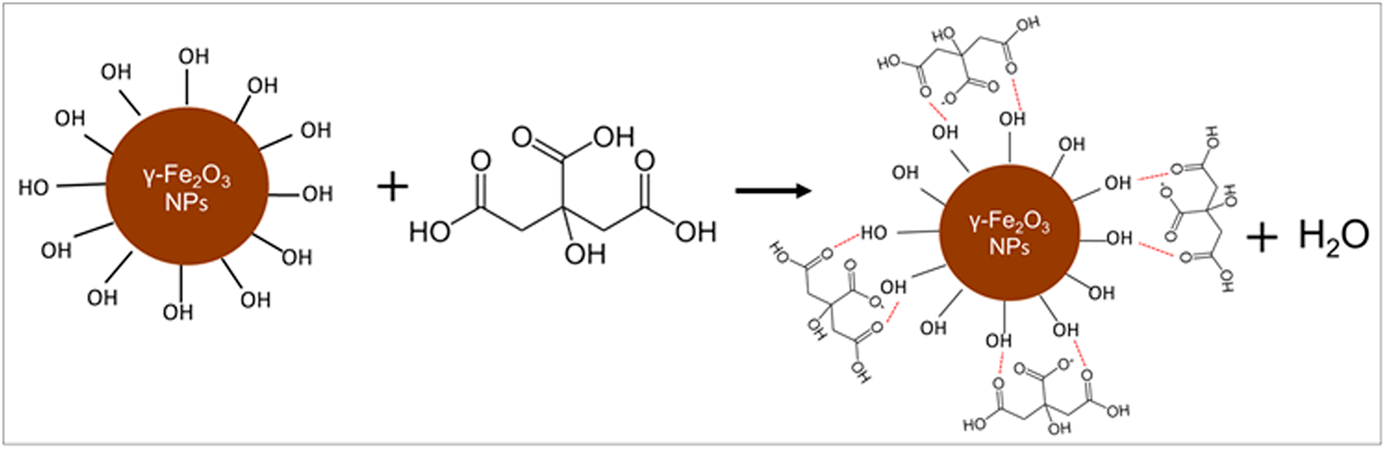
Iron oxide nanoparticles presenting colloidal stability in water were prepared through precipitation and then surface-functionalized with varying citric acid (CA) concentrations (0.10, 0.25, 0.50, and 0.70 g/mL). CA introduced functionality and minimized agglomeration. Iron oxide nanoparticles with colloidal stability in water at physiological pH were obtained after functionalization with 0.25–0.70 g/mL CA, whereas iron oxide nanoparticles without stability in water were obtained after functionalization with 0.10 g/mL CA. An electrode for glucose detection was fabricated by self-assembling colloidal-stable γ-Fe2O3 NP–CA in water on indium tin oxide (ITO) glass, followed by a glucose oxidase (GOx) and Nafion layer. The optimal functionalization of the γ-Fe2O3 NPs was obtained at a CA concentration of 0.25 g/mL. The electrochemical properties and electrocatalytic behavior of the modified electrode designated as Nafion/GOx/γ-Fe2O3 NP–0.25 CA/ITO were then evaluated. The electrode showed high sensitivity for glucose detection of 995.57 and 5.81 µA/(mM cm2) within the linear ranges of 0.1–5.0 µM and 5.0 µM–20.0 mM, respectively. The modified electrode also demonstrated a low limit of detection, good repeatability of 2.5% (n = 10), and sufficient reproducibility of 3.2% (n = 5).
A total pattern analysis suite of programs has been developed and incorporated into the ICDD® PDF-4 database. While the suite of programs is intended for the analysis of any diffraction pattern, particular attention was focused on the analysis of common amorphous, non-crystalline, or partially crystalline materials found in minerals, polymers, and pharmaceuticals. The suite of programs directly interfaces to the ICDD database and libraries of non-crystalline references.
Biomagnetic field sensors based on AlN/FeCoSiB magnetoelectric (ME) composites desire a resonant frequency that can be precisely tuned to match the biomagnetic signal of interest. A tunable mechanical resonant frequency is achieved when ME composites are integrated onto shape memory alloy (SMA) thin films. Here, high-quality c-axis growth of AlN is obtained on (111) Pt seed layers on both amorphous and crystallized TiNiCu SMA thin films on Si substrates. These composites show large piezoelectric coefficients as high as d33,f= 6.4 pm/V ± 0.2 pm/V. Annealing the AlN/Pt/Ta/amorphous TiNiCu/Si composites to 700 °C to crystallize TiNiCu promoted interdiffusion of Ti into the Ta/Pt layers, leading to an enhanced conductivity in AlN. Depositing AlN onto already crystalline TiNiCu films with low surface roughness resulted in the best piezoelectric films and hence is found to be a more desirable processing route for ME composite applications.
In a recent study, mid-latitude ionospheric parameters were compared with solar activity; it was suggested that the relationship between these, earlier assumed stable, might be changing with time (Lastovicka, 2019). Here, the information is extended to higher latitude (69.6°N, 19.2E) and further back in time. For the ionospheric F-region (viz. the critical frequency, FoF2) the same behaviour is seen with a change-point around 1996. For the ionospheric E-region (viz. the critical frequency, foE), change-points are less obvious than in the mid-latitude study, presumably owing to the observation site lying under the auroral oval.
Surface modification of titanium and titanium alloys is a common method to improve anchoring of bone tissue and implants in hard tissue engineering applications. In the current work, a combination of chemical and physical methods (anodization and physical vapor deposition) was used to roughen the titanium surface and deposit iron (Fe) on the surface of titanium at different thicknesses. The optimized thickness of 100 Å was selected for mechanical and biological characterization. We found that anodization increases the surface roughness of Ti from 21 ± 0 to 229 ± 9 nm, whereas Fe deposition does not change it significantly. Our results also showed that surface modification of Ti by anodization increases the proliferation of osteosarcoma cells at both time points, whereas Fe-deposited samples showed the lowest cellular activity. These results suggest that Fe-deposited Ti implants may be suitable candidates for patients with osteosarcoma, as the proliferation of malignant cells decreases in the presence of Fe.
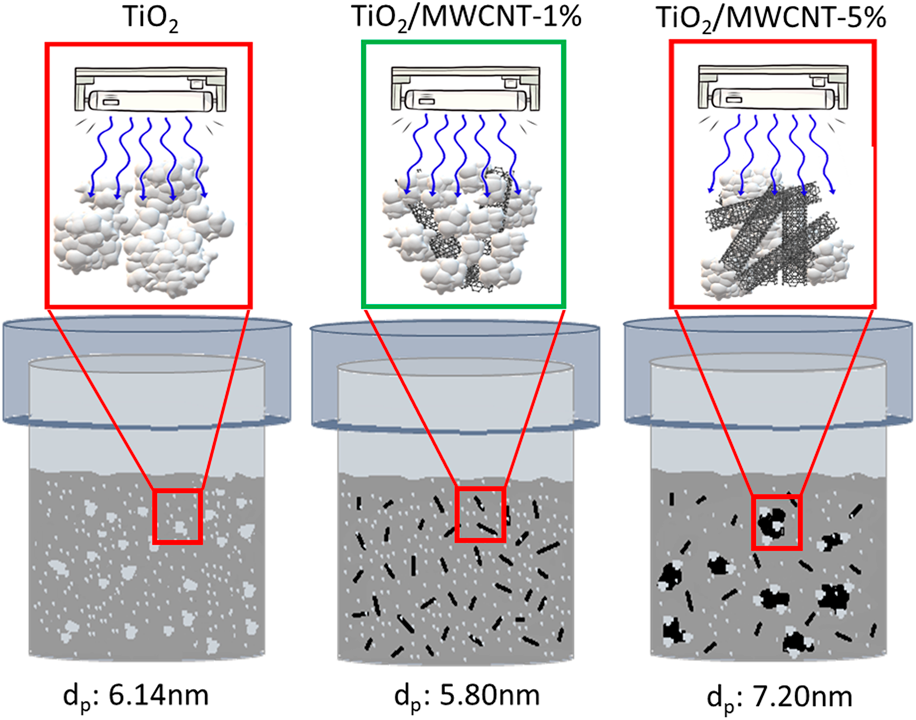
Nanosized, well-dispersed titania particles were synthesized via a hydrothermal method using multiwalled carbon nanotubes (MWCNTs) as structural modifiers during the nucleation process to decrease aggregation. Synthesized TiO2/MWCNT composites containing different amounts of MWCNTs were characterized using N2 physisorption, XRD, spectroscopic techniques (Raman, UV-visible, and X-ray photoelectron), and electron microscopy to illuminate the morphology, crystal structure, and surface chemistry of the composites. Photocatalytic performance was evaluated by measuring the degradation of acetaldehyde in a batch reactor under UV illumination. Average rate constants decrease in the following order: TiO2/MWCNT-1% > TiO2 > TiO2/MWCNT-5%. Addition of MWCNTs beyond the optimum loading ratio of 1:100 (MWCNT:TiO2) diminishes the effectiveness of the photocatalyst and the synergistic effect between MWCNTs and TiO2. The primary mechanism for photocatalytic activity enhancement in TiO2/MWCNT-1% is thought to be due to increased porosity, hydroxyl enrichment on the surface, and high dispersion of TiO2 particles.
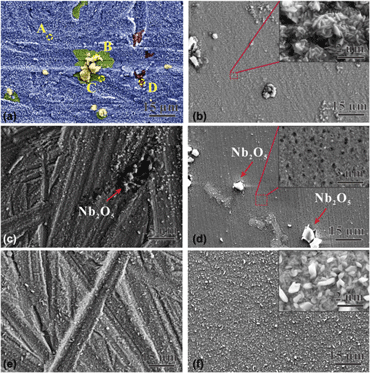
The oxidation behavior of the selective laser melting (SLM)–fabricated Inconel 718 was investigated through isothermal oxidation testing at 650 °C for 500 h and compared with that of the as-cast and as-forged specimens at the same testing conditions. The effect of microstructure and surface roughness on the oxidation behavior of the SLM-fabricated, as-cast, and as-forged Inconel 718 specimens was examined. The result shows that Inconel 718 fabricated by SLM with the unique layer structure exhibited a better resistance to the 500 h oxidation at 650 °C compared with as-cast and as-forged 718 with coarse dendritic structure and uniform equiaxed grain microstructure, respectively. The influence of the surface roughness on the long-time oxidation resistance of SLM specimens is not pronounced compared with that of as-cast and as-forged specimens. The tiny dendrites instead of grain boundaries are a major influencing factor for the oxidation process of SLM specimens. The surface roughness has more evident influence on the oxidation resistance of as-forged specimens than that of the as-cast ones subjected to the 500 h oxidation at 650 °C.
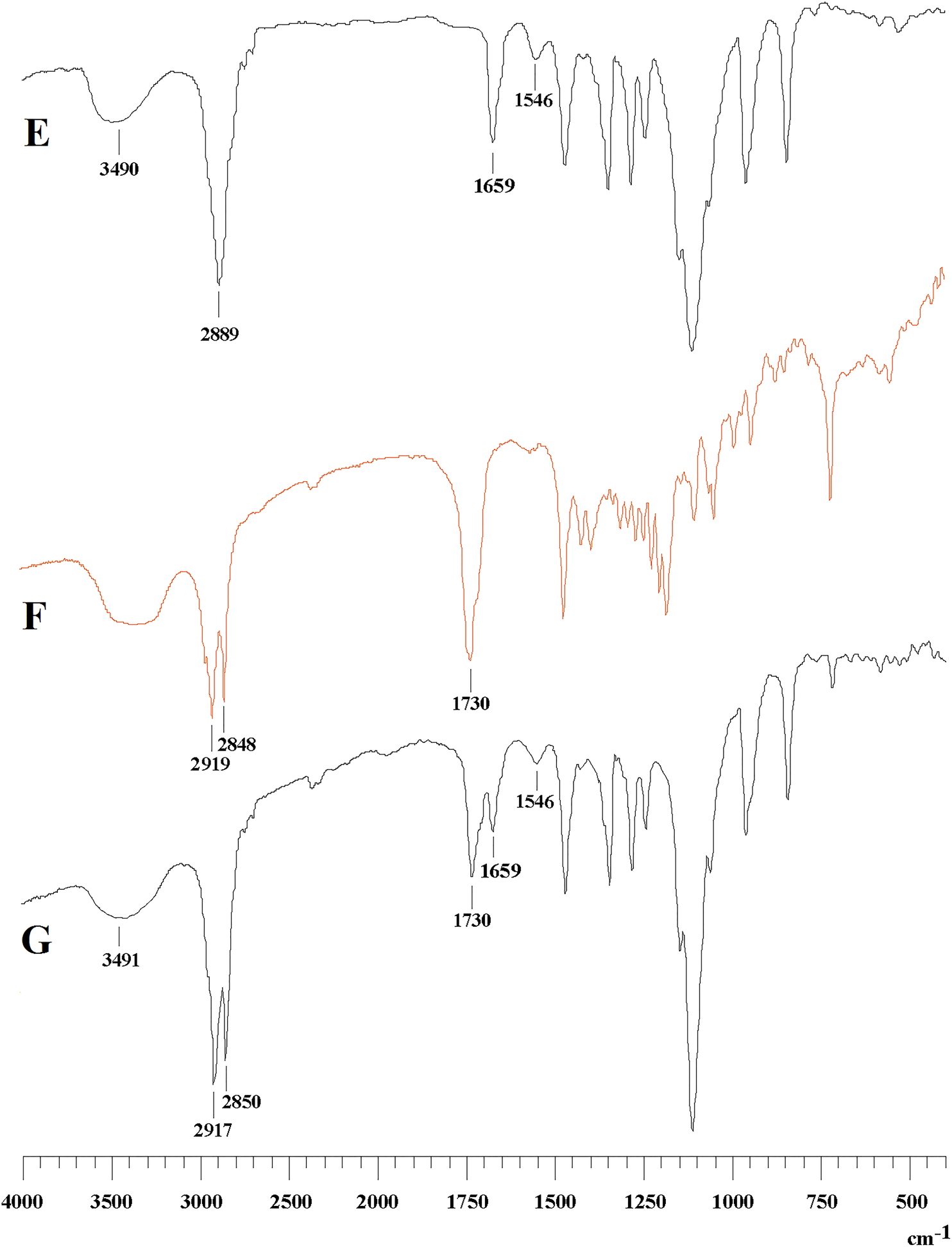
The purpose of this study was to construct a glycyrrhetinic acid (GA)-mediated, breakable, intracellular, nanoscale drug-delivery carrier via amide and esterification reactions. The structures were identified by Fourier-transformed infrared (FTIR) and 1H-nuclear magnetic resonance (1H-NMR) spectrophotometry. The compatibility and safety of the carrier were evaluated using hemolysis and cytotoxicity tests. The GA-copolymer micelle was prepared using the solvent evaporation method. FTIR and 1H-NMR detection demonstrated the successful construction of the polymer. No hemolysis occurred in any concentration of polymer within 3 h, and the hemolysis rate was less than 5%. 3-(4,5-dimethyl-thiazol-2-yl)-2,5-diphenyl-tetrazolium bromide (MTT) experimental results showed that the novel polymer reduced the cell survival rate and had significant cytotoxic effects. The blank nanoparticles were liquid with light blue opalescence. Transmission electron microscopy revealed that the empty micelles were uniform spheres, with an average size of 62 nm and a zeta potential of −13 mV. The novel GA-mediated polymeric carrier material developed here has the potential to effectively kill human SMMC-7721 cancer cells within 3 days when the dose is above 500 ug/mL.
The role of negative substrate bias voltage in influencing the microstructural evolution, along with the mechanical and scratch behavior of magnetron sputtered Ni–Zr alloyed thin films, has been investigated. The films have been deposited on a Si(100) substrate by direct current (DC) magnetron co-sputtering of high-purity elemental Ni and Zr targets, using an optimized target power in an argon atmosphere at room temperature by altering the negative substrate bias voltage (0 to −80 V). The increase in negative substrate bias voltages leads to an increase in Zr content of the investigated films. The characterization techniques such as grazing incidence X-ray diffraction and high-resolution transmission electron microscopy studies confirm that an increase in the negative substrate bias voltage leads to an increase in the volume fractions of amorphous phase and Ni3Zr, but a decrease in the deposition rate, surface roughness, and average grain sizes. Hardness and Young's modulus obtained by nanoindentation, along with the coefficient of friction obtained from nano-scratch experiments, appear to be related to the relative volume fractions of both nanocrystalline and the amorphous phase. Furthermore, increase in Ni3Zr volume fraction with decrease in grain size within the crystalline part of the film, with increase in substrate bias used during deposition may have contributed to both increase in both hardness and scratch resistance.
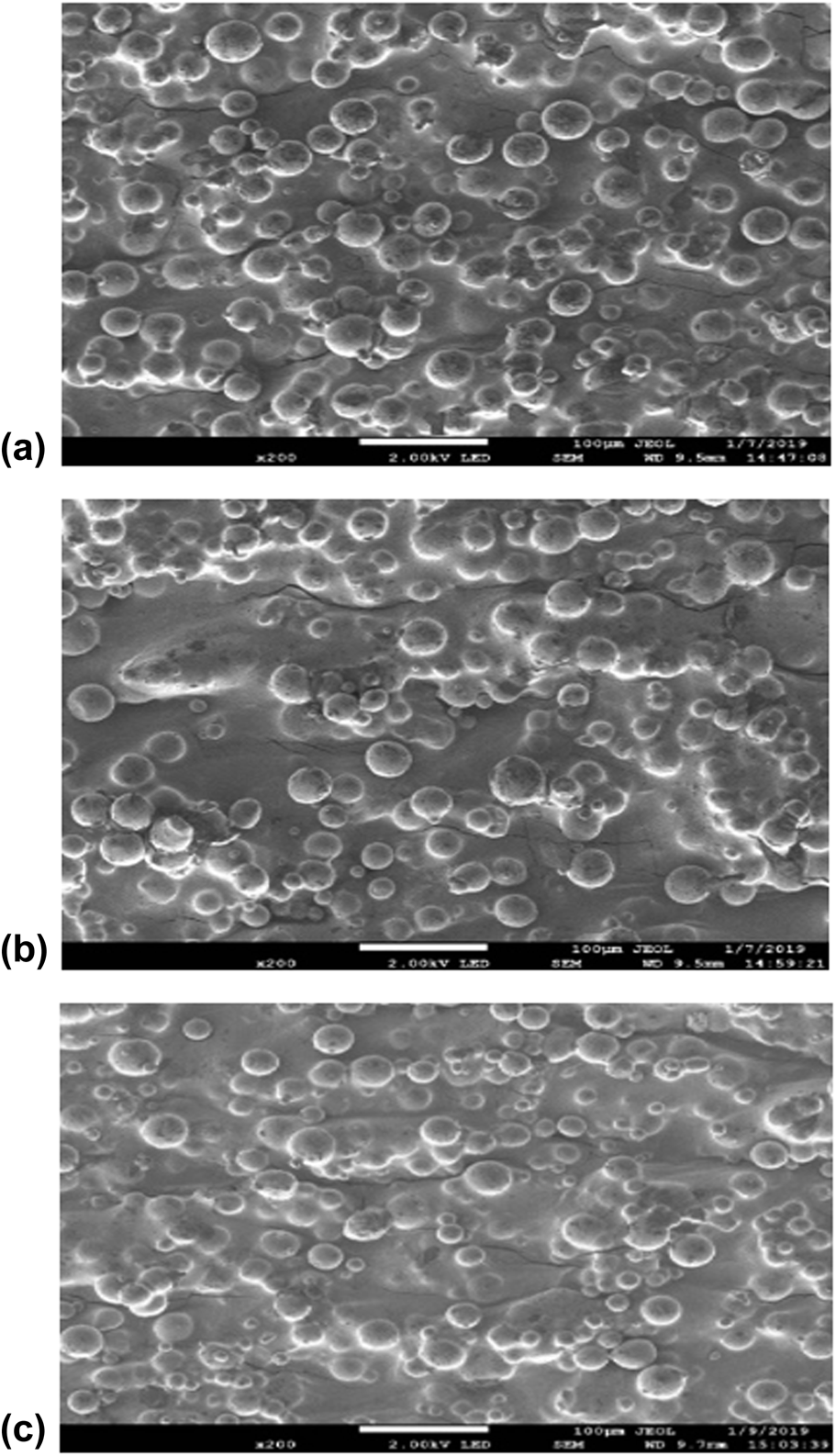
Selective laser melting (SLM) is a state-of-the-art technology in the additive manufacturing field. This study focuses on the influence of scanning speed on the fabrication of Ti6Al4V samples produced by SLM. This article contributes to the effect of SLM scanning speed parameters on micropores, surface morphology, and roughness. The detailed characterizations for the parts produced by the SLM process are evaluated. An SLM scanning speed of 695, 775, or 853 mm/s was selected. The findings show that a high quality of surface morphology and microstructure is obtained at a scanning speed of 775 mm/s. In addition, the maximum surface roughness values for both upper and side surfaces are approximately 0.460 µm and 0.592 µm, respectively. Furthermore, surface defect characteristics regarding the speed mechanism parameter for the SLM system are also discussed, and the challenges to the part quality, and potential for numerous industries (e.g., aerospace, automotive, and biomedical), creating microstructures, are observed.
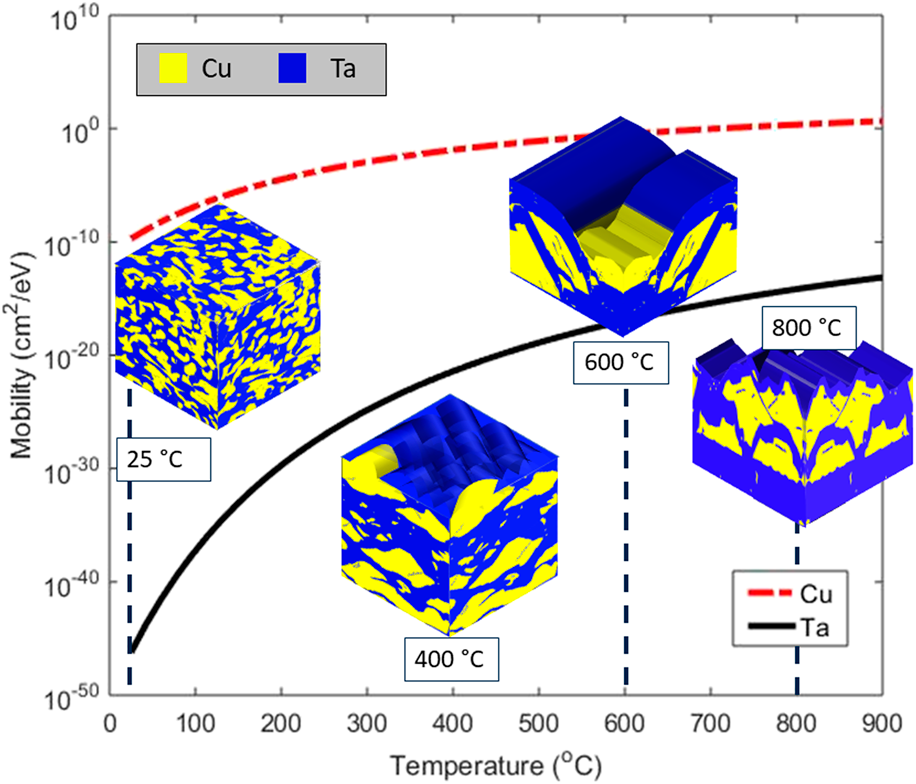
Elevated temperature co-sputtering of immiscible elements results in a variety of self-organized morphologies due to phase separation. Cu–Ta is used as a model system to understand the evolution of phase-separated microstructural morphologies by co-sputtering thin films with nominal 50–50 at.% composition at four temperatures: 25, 400, 600, and 800 °C. Scanning/transmission electron microscopy of the film cross sections showed the microstructure morphology varied from nanocrystalline Cu–Ta at 25 °C to a wavy ribbon-like structure at 400 °C, to Cu-rich agglomerates surrounded by Ta-rich veins at 600 and 800 °C. In the agglomerate-vein morphology, microstructural features were present on two length scales, from a few nanometers to a few tens of nanometers, thus making the structures hierarchical. On the nanoscale, the Cu-rich agglomerates contained Ta precipitates, whereas the Ta-rich veins had embedded Cu nanocrystals. The various microstructures can be attributed to the highly disparate constituent element interdiffusion at the deposition temperatures with the Cu having orders of magnitude higher mobility than Ta at the deposition temperatures. This study of processing–microstructure relationship will be useful in guiding the design of hierarchical multiphase microstructures in binary or multicomponent thin films with tailored mechanical properties.