To save content items to your account,
please confirm that you agree to abide by our usage policies.
If this is the first time you use this feature, you will be asked to authorise Cambridge Core to connect with your account.
Find out more about saving content to .
To save content items to your Kindle, first ensure no-reply@cambridge.org
is added to your Approved Personal Document E-mail List under your Personal Document Settings
on the Manage Your Content and Devices page of your Amazon account. Then enter the ‘name’ part
of your Kindle email address below.
Find out more about saving to your Kindle.
Note you can select to save to either the @free.kindle.com or @kindle.com variations.
‘@free.kindle.com’ emails are free but can only be saved to your device when it is connected to wi-fi.
‘@kindle.com’ emails can be delivered even when you are not connected to wi-fi, but note that service fees apply.
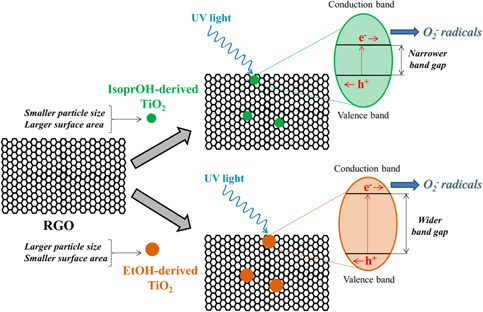
There is no agreement regarding which solvent is more suitable to obtain sol–gel–derived titania (TiO2) samples with an enhanced photocatalytic behavior. Furthermore, the solvent effect on the preparation of TiO2-RGO (reduced graphene oxide) nanocomposites has not been published yet and could be an attractive experimental strategy to modulate structure and properties. On the basis of these observations, TiO2-RGO nanocomposites were fabricated in this study. It was evaluated for the influence of using either isopropyl (IsoprOH) or ethyl (EtOH) alcohol on the textural and photocatalytic properties of the prepared materials. The use of IsoprOH led to samples with smaller crystallite size, narrower apparent band gap, smaller isoelectric point, larger adsorption capacity, and higher photocatalytic activity. In addition, the incorporation of RGO into TiO2 greatly improved the adsorption capacity and photocatalytic activity of the latter. However, the optimal loading of RGO to prepare composites with enhanced photocatalytic activities was 1 wt%. This finding can be related to the stacking of RGO sheets when concentrations above 1 wt% are used, which could prevent UV light to reach the TiO2 particles and also decrease the photocatalytic capacity of the composites. Moreover, materials with RGO concentration above 1 wt% could exhibit a highly negatively charged surface, which may decrease the separation of the generated electron–hole pairs and lead to faster recombination rates of charge carriers.
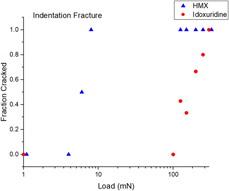
Measuring the elastic and plastic properties with nanoindentation is predicated on the indentation not fracturing the material. In this study, an unloading curve analysis is used to identify indentation-induced fracture in brittle molecular organic crystals to define conditions, where properties measurements are accurate, and for calculating the toughness. Single crystals of cyclotetramethylene tetranitramine (HMX) and idoxuridine were indented from 1 to 300 mN with indenter probes of varying acuity to identify fracture initiation loads. Idoxuridine displayed no fracture up to and at 100 mN, with fracture occurrence then seen at an increasing rate until every indentation made induced fracture at 300 mN. HMX displayed no fracture up to and at 4 mN, with fracture then occurring at an increasing rate until every sample fractured at 8 mN. The toughness of HMX and idoxuridine is ≈0.28 ≈ 0.4–0.5 MPa/m1/2, respectively.
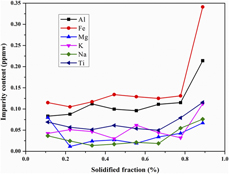
Solar-grade multicrystalline silicon ingots as raw material for solar cells were obtained from upgraded metallurgical silicon by directional solidification in an axial magnetic field. The influence of preparation technology on the microstructural characteristics of silicon ingots was investigated. Governing equations were used to simulate the silicon fluid flow and thermal fields during directional solidification. The results show that appropriately increasing melt temperature and/or decreasing pulling-down rate can be conductive to the growth of a coarse columnar grain. Meanwhile, the axial magnetic field promotes the formation of low-energy ∑3 twin boundaries and reduces the dislocations and impurities, where the total concentration of major metal impurities is with a mean of 0.459 ppmw in the range of 1/9 to 8/9 of height along the growth direction. It is shown from the simulation results that suppressing silicon melt flow in both radial and azimuthal directions and reducing the growth rate in the edge regions contribute to the formation of a flat solid–liquid interface, which is more consistent with the experimental results. Moreover, the formation mechanism of the twins and removal mechanism of the impurities were discussed.
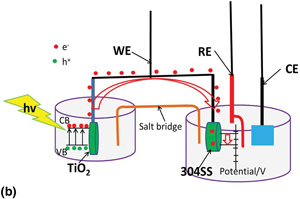
This paper proposes to improve the corrosion resistance of stainless steel using the photocathodic protection (PCP) method with CdS/PbS/titanium dioxide (TiO2) as the photoanode material. Cadmium sulfide (CdS)/lead sulfide (PbS) quantum dot (QD) heterostructure layered on TiO2 enhanced the photoelectrochemical performance and improved the PCP of 304 stainless steel. The photoanode film can protect 304 stainless steel for a period of upto 3 months against corrosion. This work demonstrates that CdS/PbS/TiO2 tandem heterostructure is a promising durable and stable photoanode, which can protect stainless steel in both dark and illuminated conditions.
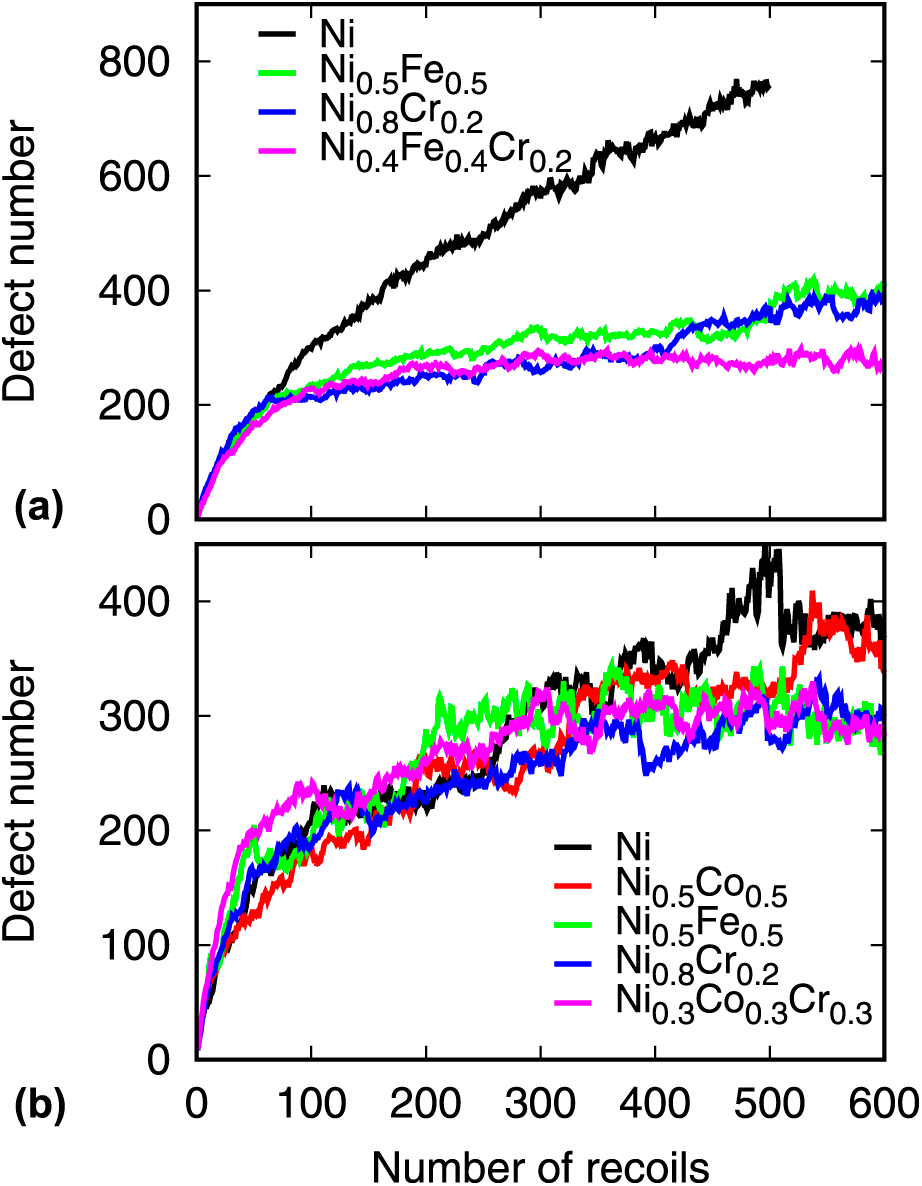
Concentrated solid-solution alloys (CSAs) demonstrate excellent mechanical properties and promising irradiation resistance depending on their compositions. Existing experimental and simulation results indicate that their heterogeneous structures induced by the random arrangement of different elements are one of the most important reasons responsible for their outstanding properties. Nevertheless, the details of this heterogeneity remain unclear. Specifically, which properties induced by heterogeneity are most relevant to their irradiation response? In this work, we scrutinize the role of heterogeneity in CSAs played in damage evolution in different aspects through atomistic simulations, including lattice misfit, thermodynamic mixing, point defect energetics, point defect diffusion, and dislocation properties. Our results reveal that structural parameters, such as lattice misfit and enthalpy of mixing, are generally not suitable to assess their irradiation response under cascade conditions. Instead, atomic-level defect properties are the keys to understand defect evolution in CSAs. Therefore, tuning chemical disorder to tailor defect properties is a possible way to further improve the irradiation performance of CSAs.
A scalable preparation of in situ N-doped disordered carbon nanosheets from reduced melamine formaldehyde resin is demonstrated. For the first time, nanosheets prepared by such a process have been tested as anodes for lithium ion and sodium ion batteries. Li-ion battery half-cell delivers a reversible capacity of about 500 mA h/g at a specific current of 100 mA/g, and also a capacity of 250 mA h/g at a specific current of 500 mA/g is retained after 600 cycles. For Na-ion batteries, a reasonable capacity of about 150 mA h/g is recorded at a specific current of 50 mA/g, and a capacity of 120 mA h/g at a specific current of 250 mA/g is retained after 350 cycles. The sloppy low-voltage profile obtained for both the lithium ion and sodium ion cells corresponds to the nanosheet anodes, being soft carbon-like, thereby demonstrating superior cycling stability and safety by avoiding metal plating and dendrite formation.
Organic light-emitting diodes (OLEDs) have aroused great attention due to the advantages of high luminescent efficiency, fast response time, wide viewing angle, and the compatibility with the flexible electronics. Nevertheless, the organic luminescent materials are vulnerable to environment moisture/oxygen. Thus, how to protect the OLEDs from the ambient moisture/oxygen erosion is of great importance to ensure the stability and reliability. Thin film encapsulation (TFE) via atomic layer deposition (ALD) has emerged as a potential method to meet the encapsulation requirements of OLEDs due to its unique assets. In this review, the challenges of TFE, including pinholes, crystallization, cracks, and overheated, are introduced first. The ALD-based monolayer, composite structures, and hybrid laminates were developed to improve the barrier property, flexibility, and thermal conductivity. Besides, the ALD reactors and processes for TFE are also reviewed. Finally, the challenges remained and future development in the stabilization of OLEDs via ALD are also discussed.
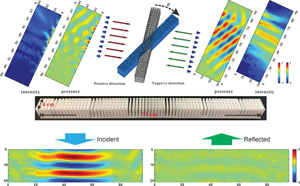
From being an unfavorable consequence to finding itself as the intended imaginary part of a non-Hermitian system, loss has truly emerged as more of a friend than a foe in the context of acoustic metasurfaces. With the promising features of sub-wavelength geometries and the rapid advances in manufacturing techniques that can enable their realization, loss becomes a central topic of discussion. Further, the capability of introducing and tailoring loss allows it to serve as a new degree of freedom in passive wavefront shaping devices. In this review, the authors look back at the recent progress in the field of lossy acoustic metasurfaces. The background behind loss in deep sub-wavelength geometries and the instinctive responses to treat them and exploit them are overviewed, followed by more recent works that embrace and tailor their behavior for unconventional applications. The forthcoming years for acoustic metasurfaces thus hold several promising avenues for exploration, with loss as the protagonist.
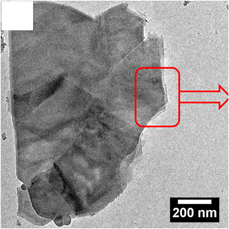
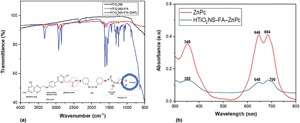
Glioblastoma (GBM) is one of the most aggressive types of cancer which currently does not have a cure. Its invasive nature and heterogeneity makes its complete surgical removal impossible. Hence, a targeted treatment is critically needed to effectively eradicate this cancer. In this work, the authors report the synthesis of hollow TiO2 nanospheres (HTiO2NS) and their functionalization with folic acid (FA) and zinc (II) tetranitrophthalocyanine (ZnPc) to achieve cell selectivity and light absorption in the visible range. In vitro cytotoxicity of the functionalized HTiO2NS against M059K cell line (Human GBM cancer cells) was tested. In vitro generation of reactive oxygen species by HTiO2NS–FA–ZnPc nanostructures under UV irradiation was detected by fluorescence probing. To identify HTiO2NS–FA–ZnPc cell localization, the nanoparticles were labeled with fluorescein isothiocyanate dye and visualized by fluorescence microscopy. Results illustrate that HTiO2NS–FA–ZnPc nanostructures have the potential to be used for targeted photodynamic therapy for the treatment of GBM cancer.
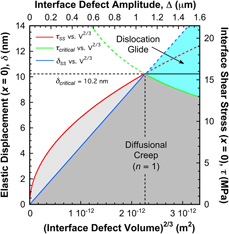
Under electrochemical cycling, stress intensification and relaxation within small volumes at the lithium/solid-state electrolyte (SSE) interface are thought to be critical factors contributing to mechanical failure of the SSE and subsequent short-circuiting of the device. Nanoindentation has been used to examine the diffusion-limited pressure lithium can support in the absence of active dislocation sources at high homologous temperatures. Based on the underlying physics of this deformation mechanism, a simple perturbation model coupling local current density, elastic stress, and diffusional creep relaxation is introduced. Combining this analysis with the indentation results, it is possible to describe a defect length scale which is too large for effective diffusional creep relaxation, but too small for efficient dislocation multiplication. In this instance, the properties of the SSE may become critical, and relevant indentation results of the SSE are described. The final outcome of the proposed analysis is a newly developed deformation mechanism map.
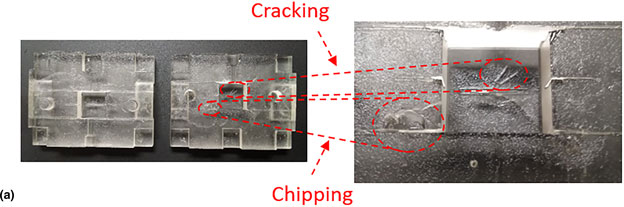
This Prospective covers an overview of the injection molding process and the importance of mold design and tooling considerations, important material requirements and thermal properties for molds, polymer material requirements for injection molding, mold flow analysis, and the promise of using the 3D printing process for mold fabrication. The second part demonstrates the injection molding process using 3D-printed polymer molds and its suitability for low-run productions. 3D-printed molds using stereolithography and fused filament fabrication have been injected with polylactic acid, and the quality of the injected parts was assessed in terms of dimensional accuracy and the damage mechanisms during fabrication.
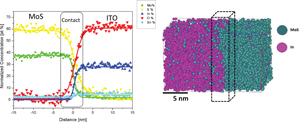
The molybdenum disulfide (MoS2) and indium tin oxide (ITO) interface were studied by atom probe tomography (APT). Raman spectroscopy, scanning electron microscopy, and grazing-incidence x-ray diffraction measurements were performed as complementary characterization. Results confirm that nanowires plated shape with the 〈110〉-orientation are aligned perpendicular to the ITO film with principal reflections at (002), (100), (101), (201), and Raman spectroscopy vibrational modes at E12g at 378 cm−1 and A1g at 407 cm−1 correspond to 2H-MoS2. APT reveals MoS+2, MoS+3 as predominant evaporated molecular ions on the sample, indicating no significant diffusion/segregation of Mo or S species within the ITO layer.
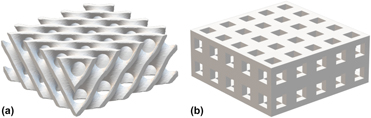
Scaffolds based on two different geometries were constructed by additive manufacturing: one based on a triply periodic minimal surface, the Schwarz D surface, and the other based on a rectangular geometry with orthogonal through-holes. For construction of the scaffolds, two different materials were used: polylactic acid (PLA) in filament form and alumina in printable paste form. The structure of the resulting scaffolds was characterized via X-ray diffraction and scanning electron microscopy, and cell proliferation was assessed for each geometry and material, using fluorescence microscopy and DNA quantification via NanoDrop. Additive manufacturing allowed us to obtain scaffolds with the assessed materials while guaranteeing the interconnectivity of the pores in each one. The curved surfaces constructed with PLA were more favorable for cell attachment and proliferation of the CHO-K1 cell line.
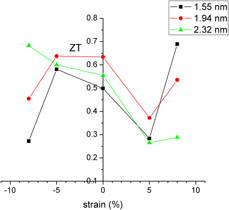
In this article, the strain-dependent thermoelectric performance of circular porous armchair silicene nanoribbons (ASiNRs) under uniaxial tension and compression is computed by means of a semiempirical approach in combination with nonequilibrium Green’s function. Our findings clearly demonstrate that the thermoelectric performance can be effectively tuned by the optimum choice of the nature and magnitude of the strain depending on the pore size. For smaller pore sizes, higher tensile strains can be preferred whereas for nanostructures with larger pores, the compression is a suitable option. Further analysis concludes that the tensile deformation fails to attain any improvement in the thermoelectric figure of merit ZT at any choice of temperature, whereas the performance under compressive deformation goes on improving with the increase in the applied temperature. In addition, changing the pore shape to a triangular one is found to significantly enhance the thermoelectric performance.
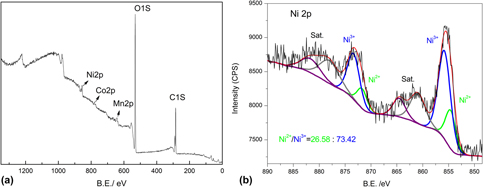
Nickel-rich layered oxide LiNi0.8Co0.1Mn0.1O2 suffers from severe structural instability and irreversible capacity loss during cycling due to cation disorder of Li+ and Ni2+. To solve this problem, the precursor Ni0.8Co0.1Mn0.1(OH)2 and well-ordered LiNi0.8Co0.1Mn0.1O2 cathode materials were successfully synthesized via controlled crystallization and high-temperature solid-state methods. The structure, morphology, and electrochemical performance of the precursor and LiNi0.8Co0.1Mn0.1O2 powders were investigated. The results show that the precursor Ni0.8Co0.1Mn0.1(OH)2 is made of sphere-like particles composed of needle-like primary crystal and LiNi0.8Co0.1Mn0.1O2 possesses a perfect layered structure with low Li/Ni disorder. Electrochemical data demonstrate that the material rate capabilities are 203.3, 187.7, 170.4, and 163 mA h/g from 0.1C to 10C, respectively. The capacity retention is 87.9% after 100 cycles at 1C, even the cut-off voltage was increased to 4.5 V. The high discharge capacity and outstanding cycling life can be attributed to the merits of a perfect crystal lattice with low Li/Ni disorder, fast lithium ion transport, and relatively low charge transfer resistance.
Silver/titanium dioxide (Ag/TiO2) membranes were successfully deposited on poly(sulfone amide) substrates by direct current magnetron sputtering and radio frequency magnetron sputtering techniques with pure silver (Ag) and TiO2 targets. The prepared membranes were systematically characterized by scanning electron microscopy X-ray diffraction, insulation tests, and Fourier transform infrared spectrometry. The dependence of the main sputtering parameters on optical and thermal properties of the film was investigated by an orthogonal analysis method. Optimal parameters of fabricate Ag/TiO2 membranes with better comprehensive performances could be obtained ultimately. The infrared reflection rate and temperature difference of the Ag/TiO2 film deposited with the optimized parameters were 81.6% and 90 °C, respectively. The high infrared reflection and excellent thermal conductivity properties of the Ag/TiO2 composite membrane make it a promising candidate for thermal insulating coatings on fabrics, and can be used for the development of high-performance protective garments in the future.