To save content items to your account,
please confirm that you agree to abide by our usage policies.
If this is the first time you use this feature, you will be asked to authorise Cambridge Core to connect with your account.
Find out more about saving content to .
To save content items to your Kindle, first ensure no-reply@cambridge.org
is added to your Approved Personal Document E-mail List under your Personal Document Settings
on the Manage Your Content and Devices page of your Amazon account. Then enter the ‘name’ part
of your Kindle email address below.
Find out more about saving to your Kindle.
Note you can select to save to either the @free.kindle.com or @kindle.com variations.
‘@free.kindle.com’ emails are free but can only be saved to your device when it is connected to wi-fi.
‘@kindle.com’ emails can be delivered even when you are not connected to wi-fi, but note that service fees apply.
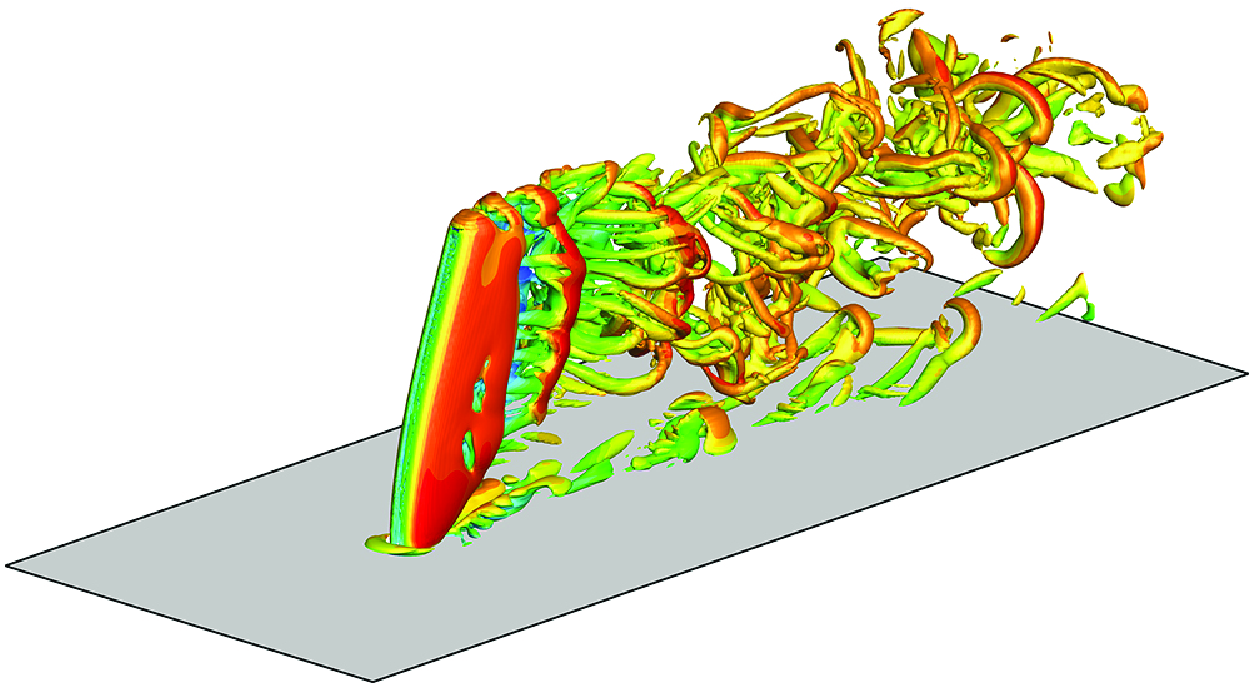
The dynamics of wall-mounted flexible structures, such as aquatic vegetation, is essential for analysing collective behaviours, flow distributions and vortex formation across different scales. To accurately model these structures under various flow conditions, we develop a novel numerical method that couples the immersed boundary method (IBM) with the vector form intrinsic finite element (VFIFE) method, referred to as the IBM–VFIFE method. We simulate both flexible and rigid stems, each with a constant aspect ratio of 10, mounted on an impermeable bottom in uniform flow with the Reynolds number ranging from 200 to 1000. In the rigid case, we identify three distinct flow regimes based on the vortex dynamics and lift spectral characteristics. Due to the influences of downwash flow at the free end and upwash flow near the junction, vortex shedding varies significantly along the vertical direction. For the flexible case, we examine a wide range of stem stiffness values to explore potential dynamic responses. The results reveal that stiffness plays a key role in stem behaviour, leading to three distinct classifications based on amplitude magnitude and displacement spectra respectively. Notably, the vortex dynamics of a flexible stem differs significantly from that of a rigid stem due to shape deformation and stem oscillation. A flexible stem with relatively high stiffness experiences greater hydrodynamic loads compared with its rigid counterpart. This study highlights the unique stem behaviours and vortex dynamics associated with flexible stems. We find that stem oscillation, combined with a near-wake base vortex, contributes to an upwash flow near the stem bottom, which significantly weakens (or, in some cases, eliminates) the downwash flow. Additionally, low-frequency oscillations in the streamwise and vertical directions are observed, while the transverse oscillation exhibits a dominant frequency one order of magnitude higher. Overall, this study provides valuable insights into the response and vortex dynamics of a single stem in uniform flow.
The crystal structure of fruquintinib Form I has been solved and refined using synchrotron X-ray powder diffraction data and optimized using density functional theory techniques. Fruquintinib Form I crystallizes in space group C2 (#5) with a = 35.4167(22), b = 3.90500(12), c = 26.9370(11) Å, β = 108.0290(22)°, V = 3,542.52(26) Å3, and Z = 8 at 298 K. The crystal structure consists of double layers of each of the two independent molecules parallel to the ab-plane. These layers stack along the short b-axis. N–H···N hydrogen bonds link the layers. Most of the C–H···N and C–H···O hydrogen bonds are intramolecular. The powder pattern has been submitted to ICDD for inclusion in the Powder Diffraction File™ (PDF®).
The classical water-wave theory often neglects water compressibility effects, assuming acoustic and gravity waves propagate independently due to their disparate spatial and temporal scales. However, nonlinear interactions can couple these wave modes, enabling energy transfer between them. This study adopts a dynamical systems approach to investigate acoustic–gravity wave triads in compressible water flow, employing phase-plane analysis to reveal complex bifurcation structures and identify steady-state resonant configurations. Through this framework, we identify specific parameter conditions that enable complete energy exchange between surface and acoustic modes, with the triad phase (also known as the dynamical phase) playing a crucial role in modulating energy transfer. Further, incorporating spatial dependencies into the triad system reveals additional dynamical effects that depend on the wave velocity and resonance conditions: we observe that travelling-wave solutions emerge, and their stability is governed by the Hamiltonian structure of the system. The phase-plane analysis shows that, for certain velocity regimes, the resonance dynamics remains similar to the spatially independent case, while in other regimes, bifurcations modify the structure of resonant interactions, influencing the efficiency of energy exchange. Additionally, modulated periodic solutions appear, exhibiting changes in wave amplitudes over time and space, with implications for wave-packet stability and energy localisation. These findings enhance the theoretical understanding of acoustic–gravity wave interactions, offering potential applications in geophysical phenomena such as oceanic microseisms.
We present a fully three-dimensional kinetic framework for modeling intense short pulse lasers interacting with dielectric materials. Our work modifies the open-source particle-in-cell code EPOCH to include new models for photoionization and dielectric optical response. We use this framework to model the laser-induced damage of dielectric materials by few-cycle laser pulses. The framework is benchmarked against experimental results for bulk silica targets and then applied to model multi-layer dielectric mirrors with a sequence of simulations with varying laser fluence. This allows us to better understand the laser damage process by providing new insight into energy absorption, excited particle dynamics and nonthermal excited particle distributions. We compare common damage threshold metrics based on the energy density and excited electron density.
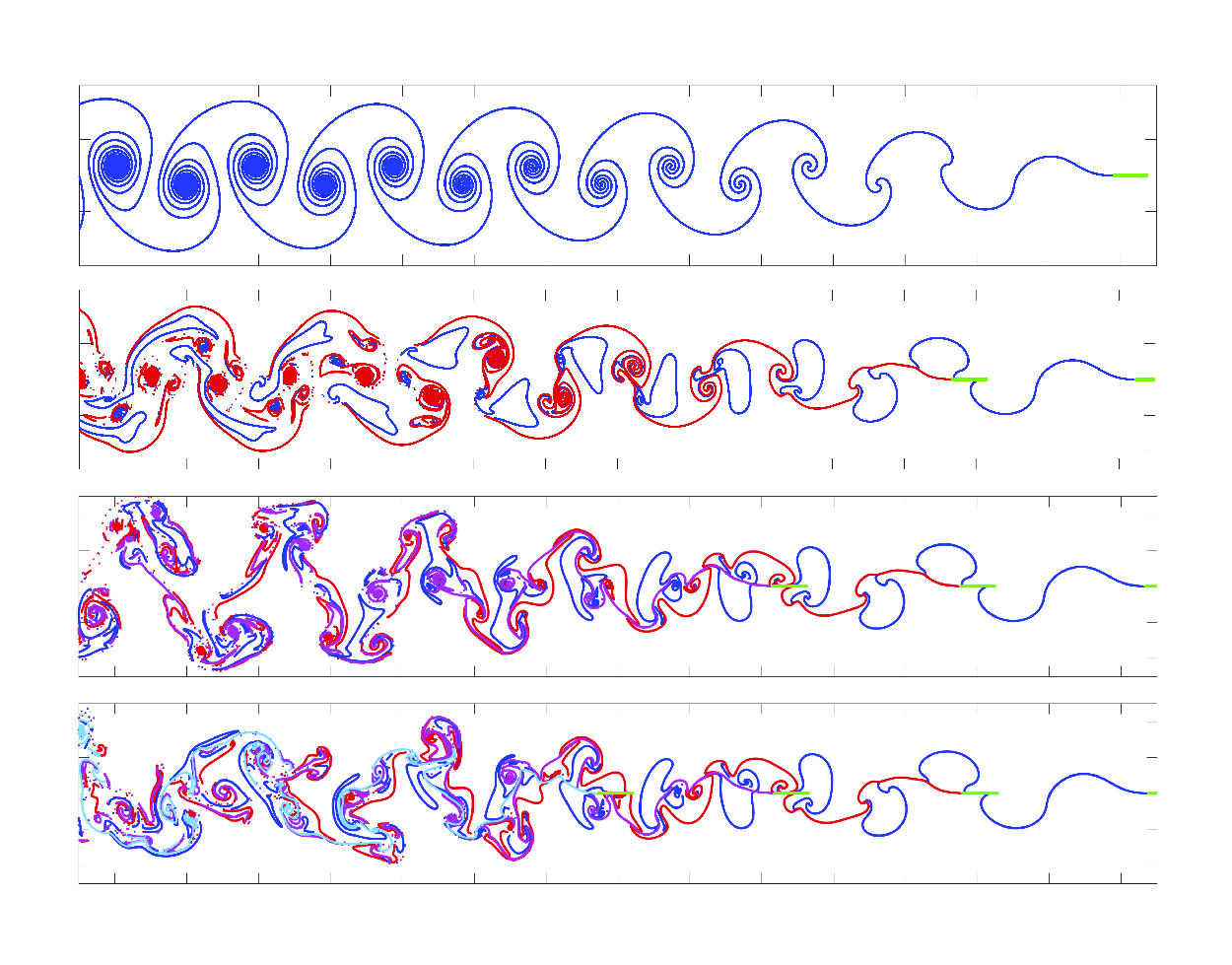
The motion of several plates in an inviscid and incompressible fluid is studied numerically using a vortex sheet model. Two to four plates are initially placed in line, separated by a specified distance, and actuated in the vertical direction with a prescribed oscillatory heaving motion. The vertical motion induces the plates’ horizontal acceleration due to their self-induced thrust and fluid drag forces. In certain parameter regimes, the plates adopt equilibrium ‘schooling modes’, wherein they translate at a steady horizontal velocity while maintaining a constant separation distance between them. The separation distances are found to be quantised on the flapping wavelength. As either the number of plates increases or the flapping amplitude decreases, the schooling modes destabilise via oscillations that propagate downstream from the leader and cause collisions between the plates, an instability that is similar to that observed in recent experiments on flapping wings in a water tank (Newbolt et al., 2024, Nat. Commun., vol. 15, 3462). A simple control mechanism is implemented, wherein each plate accelerates or decelerates according to its velocity relative to the plate directly ahead by modulating its own flapping amplitude. This mechanism is shown to successfully stabilise the schooling modes, with remarkable impact on the regularity of the vortex pattern in the wake. Several phenomena observed in the simulations are obtained by a reduced model based on linear thin-aerofoil theory.
Posture-related musculoskeletal issues among office workers are a significant health concern, mainly due to long periods spent in static positions. This research presents a Posture Lab which is a workplace-based solution through an easy-to-use posture monitoring system, allowing employees to assess their posture. The Posture Lab focuses on two key aspects: Normal Head Posture (NHP) versus Forward Head Posture (FHP) measurement and thoracic spine kyphosis. Craniovertebral (CA) and Shoulder Angles (SA) quantify NHP and FHP. The Kyphosis Angle (KA) is for measuring normal thoracic spine and kyphosis. To measure these angles, the system uses computer vision technology with ArUco markers detection via a webcam to analyze head positions. Additionally, wearable accelerometer sensors measure kyphosis by checking the angles of inclination. The framework includes a web-based user interface for registration and specialized desktop applications for different measurement protocols. A RESTful API enables system communication and centralized data storage for reporting. The Posture Lab serves as an effective tool for organizations to evaluate employee postures and supports early intervention strategies, allowing timely referrals to healthcare providers if any potential musculoskeletal issues are identified. The Posture Lab has also shown medium to very high correlations with standard 2D motion analysis methods – Kinovea – for CA, SA, and KA in FHP with kyphosis measurements (r = 0.607, 0.704, and 0.992) and shown high to very high correlations in NHP with normal thoracic spine measurements (r = 0.809, 0.748, and 0.778), with significance at p < .01, utilizing the Pearson correlation coefficient.
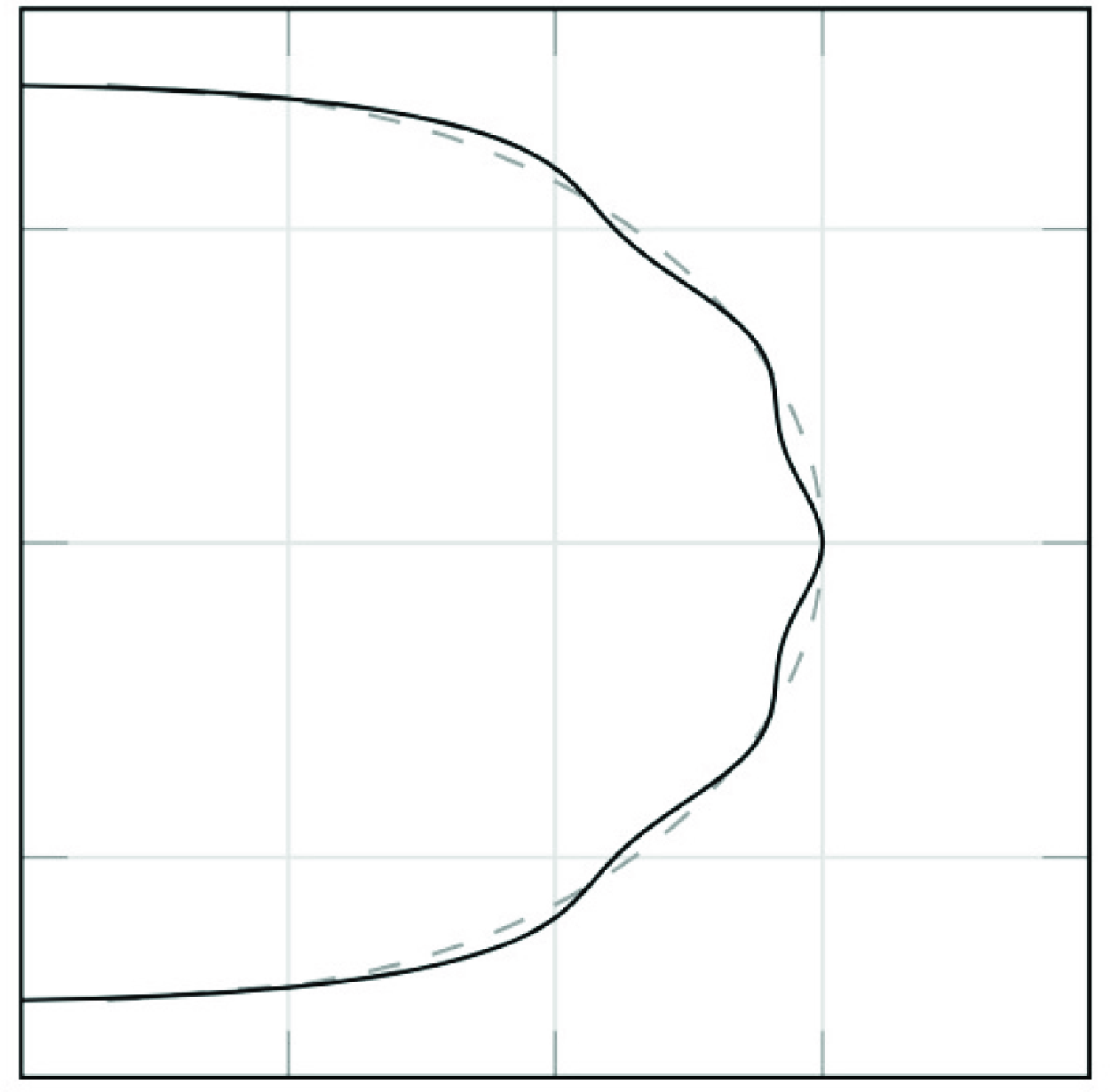
We present a numerical scheme that solves for the self-similar viscous fingers that emerge from the Saffman–Taylor instability in a divergent wedge. This is based on the formulation by Ben Amar (1991, Phys. Rev. A, vol. 44, pp. 3673–3685). It is demonstrated that there exists a countably infinite set of selected solutions, each with an associated relative finger angle, and furthermore, solutions can be characterised by the number of ripples located at the tip of their finger profiles. Our numerical scheme allows us to observe these ripples and measure them, demonstrating that the amplitudes are exponentially small in terms of the surface tension; the selection mechanism is driven by these exponentially small contributions. A recently published paper derived the selection mechanism for this problem using exponential asymptotic analytical techniques, and obtained bifurcation diagrams that we compare with our numerical results.
Waves propagating over oscillating periodic structures can be reflected and attenuated either by Bragg scattering or by local resonance. In this work, we focus on the interplay between surface gravity waves and submerged resonators, investigating the effect of the local resonance on wave propagation. The study is performed using a state of the art numerical simulation of the Navier–Stokes equation in two-dimensional form with free boundary and moving bodies. A volume of fluid interface technique is employed for tracking the free surface, and an immersed boundary method for the fluid–structure interaction. A wave maker is placed at one end of the flume and an absorbing beach at the other. The evolution in space of a monochromatic wave interacting with up to four resonators coupled only fluid mechanically is presented. We evaluate the efficiency of the system in terms of wave amplitude attenuation and energy transfers between the fluid and the solid phase. The results indicate that, near resonance conditions, both wave reflection and energy dissipation increase significantly. Conversely, far from resonance, waves can propagate through the system with minimal dissipation, even in the presence of numerous resonators. Moreover, when the time scale associated with the resonator’s restoring force is longer than the wave period, the resonators tend to follow the wave motion, oscillating with an amplitude comparable to that of the wave. In contrast, when the two time scales are similar, the resonator motion becomes amplified, resulting in stronger velocity gradients and enhanced viscous dissipation.
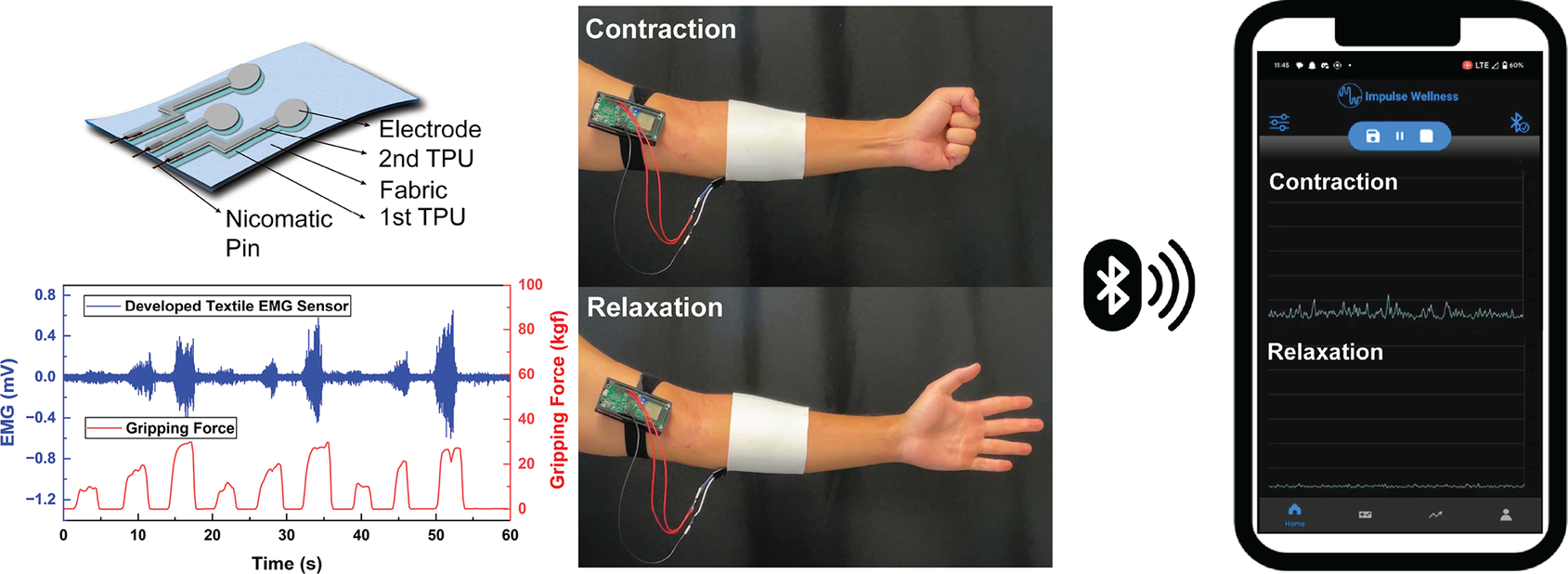
Our study investigated the efficacy and feasibility of screen-printed and ink-printed textile-based dry electrodes for electromyography (EMG) acquisition, marking a novel step in wearable telehealth (TH) system integration. We controlled the design and fabrication conditions of these textile EMG sensors, including electrode area and sizing, ensuring optimal contact pressure. Skin-electrode impedance for all designs was evaluated, and a 20 mm electrode diameter was deemed material-efficient and design-effective. When compared with standard 20 mm wet electrodes, our EMG sensors with the screen and inkjet-printed dry electrodes exhibited comparable signal-to-noise ratios (SNRdB) to the conventional wet electrode (26 dB) with a peak of 25 dB, and 23 dB, respectively, emphasizing their reliability. Our research identified a 10% optimal strain by sizing for EMG performance across both printing techniques. These revelations support the future design of dependable, reusable dry textile electrodes, addressing challenges faced by wet electrodes. Additionally, the developed dry electrodes, when equipped with a Bluetooth-enabled amplifier puck mitigate common EMG challenges such as motion artifacts while promoting user comfort, which leads to an elevated user experience during EMG biosignal collection. The integration of the developed garment-based electrodes with available commercial technologies holds promise for enhancing TH systems and user engagement in wearable health monitoring.
Providing a succinct overview of Lindenmayer system (L-system) topology optimization, this book focuses on the methods and theory underlying this novel bioinspired approach. Starting from basic principles, the book outlines how topology optimization can be utilized at the conceptual design stage and shows how it offers straightforward applicability to multi-objective and/or multi-physical industrial problems. Design strategies are clearly demonstrated using a host of case studies and real-world examples, and their potential challenges and solutions are discussed. Written from an optimization and design perspective, the authors both summarize the latest advances in this field and suggest potential avenues of research and development for future work. This will be the ideal resource for engineering practitioners, researchers, and students wanting to gain a new perspective on using topology optimization to improve product design.
This work reports the X-ray powder diffraction (XRPD) data recorded at room temperature (293 K) of dibromidodioxido-[(4,4′-di-tert-butyl)-2,2′-bipyridine]molybdenum(VI). The analysis of the powder diffraction pattern led to an orthorhombic united cell with parameters a = 17.9205(23) Å, b = 13.4451(16) Å, c = 18.1514(19) Å, V = 4,373.5(11) Å3, and values of Z = 8 and Z’ = 2. The crystal structure of this material corresponds to the structure of entry IFUJEC of the Cambridge Structural Database (CSD), determined at 90 K. The excellent Rietveld refinement, carried out with General Structure and Analysis Software II (GSAS-II), showed the single-phase nature of the material and the good quality of the data. This material was also characterized by elemental analysis, UV–vis, Fourier transform infrared spectroscopy (FTIR), and proton nuclear magnetic resonance (1H-NMR) techniques.
Bimetallic Pt nanoparticles play a critical role in various applications, including catalysis, chemical production, fuel cells, and biosensing. In this study, we start with Au@Pt core–shell structure and investigate the evolution of these nanoparticles at elevated temperatures. Our in-situ X-ray diffraction study at elevated temperatures concluded that the onset of Au–Pt alloying occurs between 500 and 600 °C. At higher temperatures, the nanoparticles gradually approached the state of a solid solution, but the composition across the nanoparticles was not uniform even at 1,000 °C. Our results suggest that the alloyed nanoparticles at high temperatures are dominated by one solid solution but contain distinct regions with slightly different compositions.
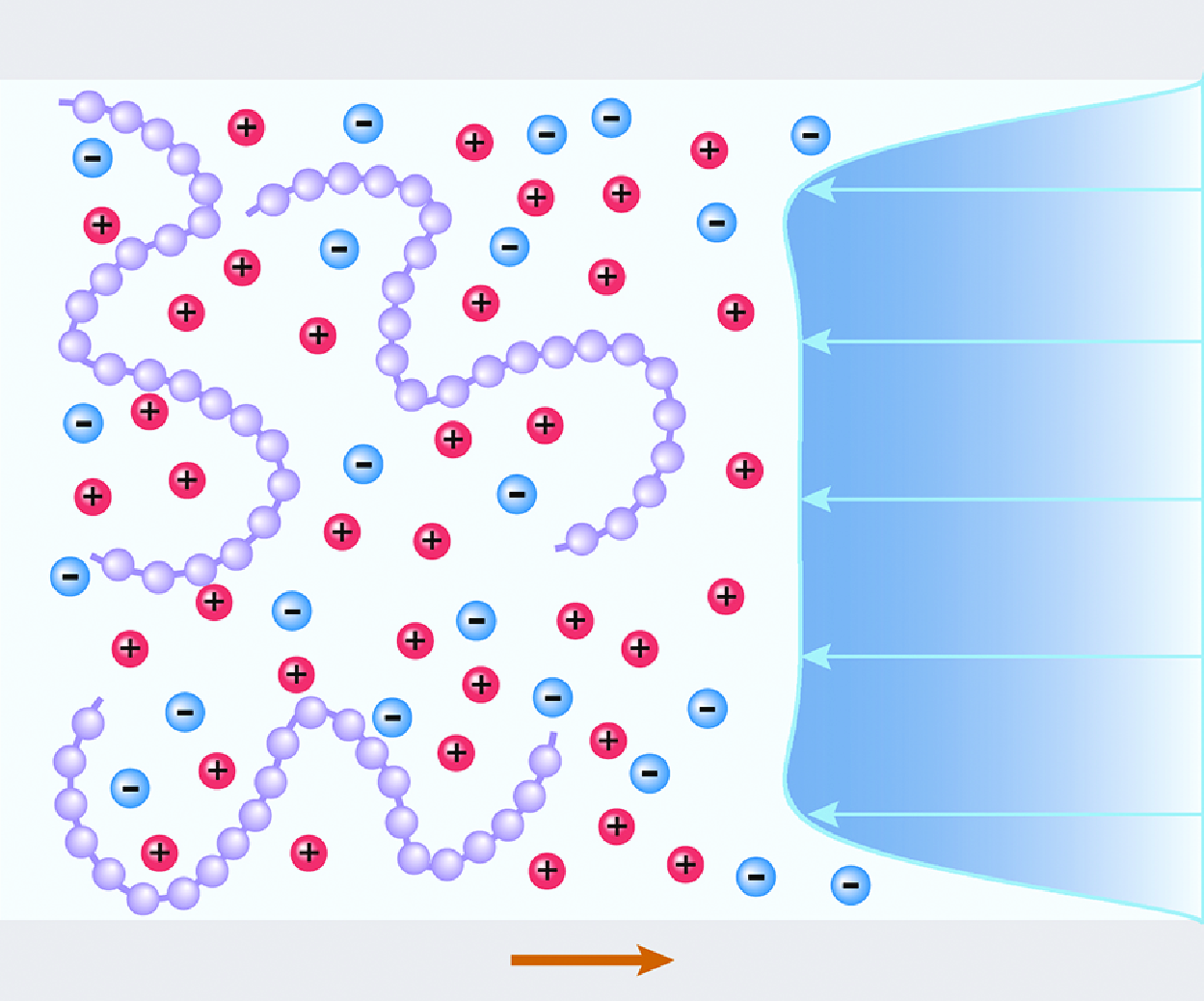
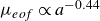
This paper presents a theoretical model for the electro-osmotic flow (EOF) of semi-dilute polyelectrolyte (PE) solutions in nanochannels. We use mean-field theories to describe the properties of electric double layer and viscosity of PE solutions that are prerequisites for constructing the EOF model. The EOF model is validated via a good match to the existing experimental results. Based on the validated EOF model, we conduct a comprehensive analysis of EOF of semi-dilute PE solutions in nanochannels. First, we observe considerable EOF of PE solutions in the uncharged nanochannels, which is in stark contrast to EOF of simple electrolyte solutions. The analyses show that the EOF of PE solutions in uncharged nanochannels is triggered by the external electric field acting on the near-wall non-electroneutral regions resulting from the confinement-induced inhomogeneous distribution of PE monomers. Although the solutions are electroneutral as a whole, the presence of local non-electroneutral regions and the mismatch between non-electroneutral regions and high-viscosity regions lead to the net EOF in uncharged nanochannels. Furthermore, we reveal that the EOF mobility $\mu _{{eof}}$ in uncharged nanochannels exhibits a scaling law $\mu _{{eof}} \propto a^{-0.44}$ (wherein $a$ denotes monomer Kuhn length) and is inversely proportional to the PE chain length, while it decreases nonlinearly with the charge fraction of the PE chains. Moreover, the EOF mobility reaches its maximum at specific bulk monomer concentration, and increases with the nanochannel height before converging to that under no confinement. Second, we analyse the EOF of PE solutions in nanochannels with various wall effects, such as surface charge density, slip length and adsorption length. When the surface charge is absent, the adsorption length significantly influences the direction and magnitude of the EOF, whereas the slip length has no effect. When the wall becomes increasingly charged, the influence of adsorption length on EOF gradually diminishes, while the importance of the slip length progressively intensifies and the EOF is highly influenced by the co-action of various wall effects in a complicated manner. When the surface wall is oppositely charged to polymer monomers, the EOF mobility varies nonlinearly with the surface charge density, while a zero net flow of EOF followed by a direction reversal is discovered when the wall is likely charged to polymer monomers.
This paper presents an Substrate Integrated Waveguide (SIW) cavity-backed symmetric dual-beam self-diplexing slot antenna for short-distance multiuser point-to-point communications using mm-wave frequency bands. The antenna is fed by two capacitive-gap-coupled microstrip lines, which help the antenna to operate at two different frequency bands with a self-diplexing property. Independent frequency tunability at both the operating bands can be achieved by varying the capacitive gap position along the microstrip feed lines. To enhance port isolation and achieve dual-beam characteristics the design incorporates an L-shape folded slots, centrally located shorting via, W-slot, corrugated microstrip structures and mender line slot. The beams are directed at ± $\theta = \pm 43^\circ$ with a half-power beam width of 56∘ each. The antenna offers peak realized gains of 5.95 and 6.21 dBi at the lower and upper band, respectively. The antenna is fabricated and measured, which shows a good agreement between simulation and measurement, confirming its suitability for short-distance multiuser point-to-point communications
We studied the spectral analysis of X-ray emission spectroscopy for lithium-ion battery materials during the disproportionation reaction driven by heat treatment. To improve the quantitative analysis of chemical states, we consider the contribution of unstable chemical states in the peak deconvolution. We first applied a linear combination fitting (LCF) to the residuals, assuming an asymmetric Lorentzian peak, which was obtained for the unstable chemical component. Since LCF requires a set of known spectra for peak deconvolution, we develop the LCF for spectral analysis, including unknown chemical states. Both quantification results show a similar trend in the temperature dependence of the heat treatment. With the latter method, we can quantify the samples, including unknown chemical compounds, even when that compound does not have a known X-ray emission spectrum.
A dual-beam platform is developed for all-optical Thomson/Compton scattering, with versatile parameter tuning capabilities including electron energy, radiation energy, radiation polarization, etc. By integrating this platform with a 200 TW Ti:sapphire laser system, we demonstrate the generation of inverse Compton scattering X-/gamma-rays with tunable energies ranging from tens of keV to MeV. The polarization of X-/gamma-rays is manipulated by adjusting the polarization of the scattering laser. In the near future, by combining this platform with multi-PW laser facilities, our goal is to explore the transition from nonlinear Thomson scattering to nonlinear Compton scattering, ultimately verifying theories related to strong-field quantum electrodynamics effects induced by extreme scattering.
A reduced dispersion relation for multibeam laser–plasma instability is derived. The dispersion relation includes the combined effects of self-coupling and interaction with other beams by sharing a common scattered light (SL modes) and by sharing a common plasma wave (SP modes). The latter two have the most prominent collective effects of all. We have solved the dispersion relation numerically for stimulated Raman scattering, and set different beam configurations and polarizations to discuss the spatial distributions of the temporal growth rate. The instability in the beam overlapping region is complicated, but there are still a few simple rules that govern the system, such as the dominancy of SL modes and subdominancy of backscattering and SP modes. The maximum growth rate always occurs at these special modes, or a new mode formed by combining two or three of the special modes. The reduced model provides us with the ability to understand the underlying physics of multibeam instabilities under general laser and plasma conditions.
Members of the International Centre for Diffraction Data, the world center for quality diffraction and related data, met 10–14 March 2025 for their Annual Spring Meetings. The event was held as a hybrid meeting, with many members traveling to ICDD Headquarters in Newtown Square, PA, USA, while others attended through the Zoom platform.