Refine search
Actions for selected content:
212053 results in Engineering
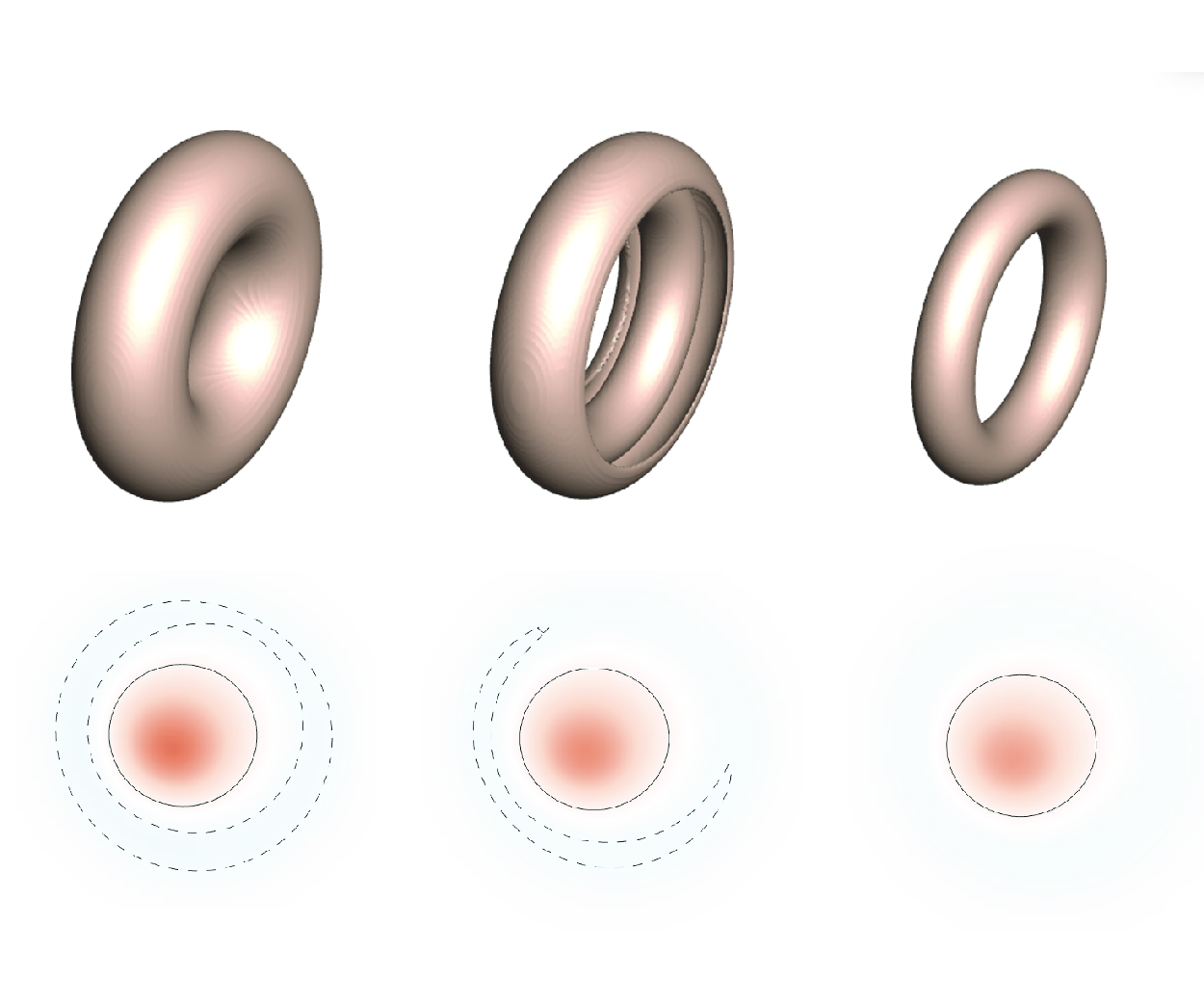
Evolution of a family of vortex rings with zero circulation
-
- Journal:
- Journal of Fluid Mechanics / Volume 1015 / 25 July 2025
- Published online by Cambridge University Press:
- 17 July 2025, A29
-
- Article
- Export citation
Handling of model uncertainties for underdetermined gas path analysis
-
- Journal:
- The Aeronautical Journal / Volume 129 / Issue 1338 / August 2025
- Published online by Cambridge University Press:
- 17 July 2025, pp. 2263-2282
-
- Article
-
- You have access
- Open access
- HTML
- Export citation
-
In model-based diagnostics, a simulation model is used to simulate the same operating conditions as the system to be diagnosed to detect and identify anomalies. For this type of analysis, the diagnostic results may be affected by multiple sources of uncertainty. The most common uncertainty to consider is measurement noise. Other sources of uncertainties may originate from the simulation model, instrumentation setup and numerical issues, such as tolerances. While these are often overlooked, they may affect the result to various extent.
In this paper, a multi-point model-based gas path analysis method is proposed and evaluated in the presence of both measurement noise and model uncertainties. The multi-point algorithm addresses the issue of the diagnostic system being underdetermined, having more health parameters than measurements available for diagnostics. It obtains a unique solution through an optimization, where the deviation in health parameter estimation for the operating conditions going into the analysis is minimised. Model uncertainties are introduced in the system by intentionally skewing the characteristics of the rotating components. The objective function is then reconfigured with a, for the gas turbine diagnostic field, novel method taking model uncertainties of the component maps into account. Through this it is possible to reduce the effect of model uncertainties on the diagnostic result. The study shows that through this approach, the uncertainties in diagnostic results are reduced by $3.7{\rm{\% }}$ for the evaluated operating conditions.

Beam steering and cross-polarization decoupling enhancement for 4 × 4 microstrip antenna arrays with differential evolution
-
- Journal:
- International Journal of Microwave and Wireless Technologies / Volume 17 / Issue 5 / June 2025
- Published online by Cambridge University Press:
- 17 July 2025, pp. 774-783
-
- Article
- Export citation
1 - Preface
-
- Book:
- Financial Data Science
- Published online:
- 17 December 2025
- Print publication:
- 17 July 2025, pp 1-6
-
- Chapter
- Export citation
Index
-
- Book:
- Financial Data Science
- Published online:
- 17 December 2025
- Print publication:
- 17 July 2025, pp 397-400
-
- Chapter
- Export citation
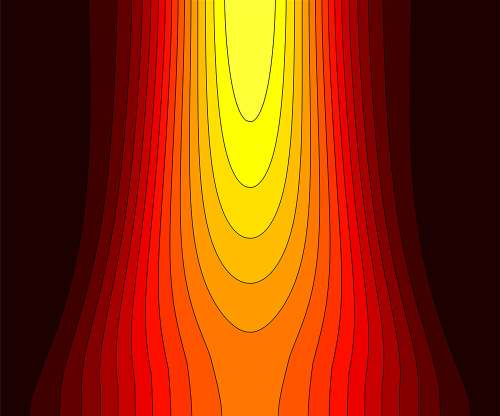
Thermoviscous localisation of volcanic eruptions is enhanced by variations in fissure width
-
- Journal:
- Journal of Fluid Mechanics / Volume 1015 / 25 July 2025
- Published online by Cambridge University Press:
- 17 July 2025, A18
-
- Article
-
- You have access
- Open access
- HTML
- Export citation
-
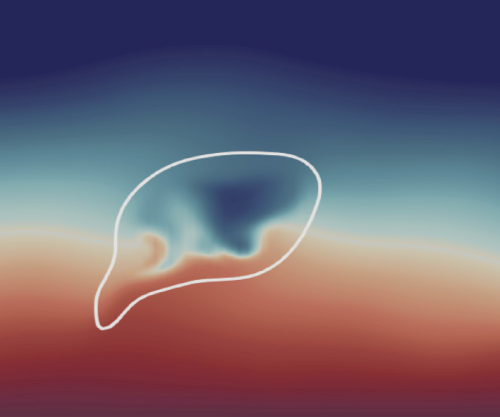
Volcanic fissure eruptions typically start with the opening of a linear fissure that erupts along its entire length, following which, activity localises to one or more isolated vents within a few hours or days. Localisation is important because it influences the spatiotemporal evolution of the hazard posed by the eruption. Previous work has proposed that localisation can arise through a thermoviscous fingering instability driven by the strongly temperature dependent viscosity of the rising magma. Here, we explore how thermoviscous localisation is influenced by the irregular geometry of natural volcanic fissures. We model the pressure-driven flow of a viscous fluid with temperature-dependent viscosity through a narrow fissure with either sinusoidal or randomised deviations from a uniform width. We identify steady states, determine their stability and quantify the degree of flow enhancement associated with localised flow. We find that, even for relatively modest variations of the fissure width ( ${\lt } 10$ %), the non-planar geometry supports strongly localised steady states, in which the wider parts of the fissure host faster, hotter flow, and the narrower parts of the fissure host slower, cooler flow. This geometrically driven localisation differs from the spontaneous thermoviscous fingering observed in planar geometries and can strongly impact the localisation process. We delineate the regions of parameter space under which geometrically driven localisation is significant, showing that it is a viable mechanism for the observed localisation under conditions typical of basaltic eruptions, and that it has the potential to dominate the effects of spontaneous thermoviscous fingering in these cases.

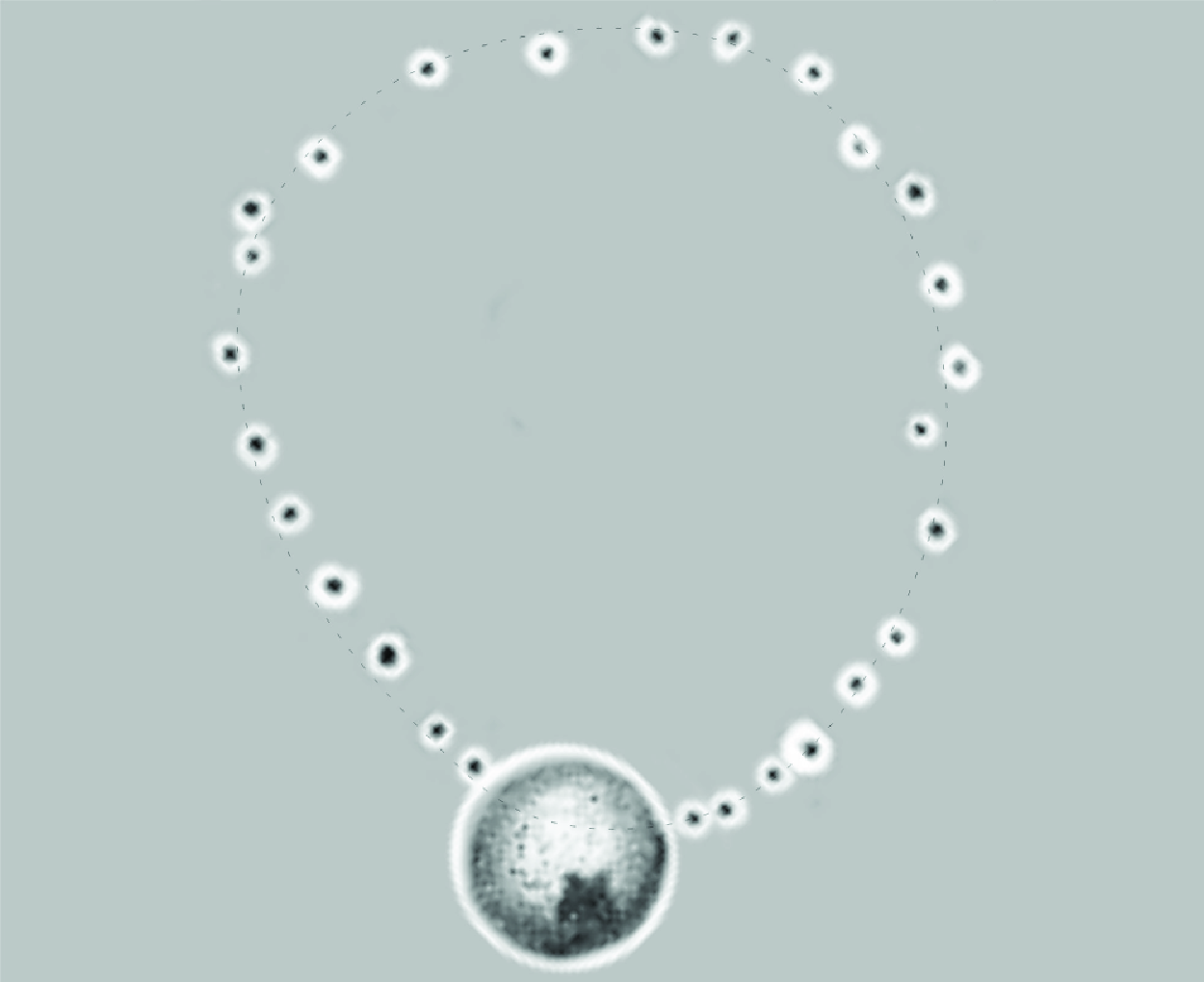
Interaction of a vortex ring with a buoyant spherical particle: effects of particle size on vorticity dynamics and particle dynamics
-
- Journal:
- Journal of Fluid Mechanics / Volume 1015 / 25 July 2025
- Published online by Cambridge University Press:
- 17 July 2025, A24
-
- Article
-
- You have access
- Open access
- HTML
- Export citation
-
The present work experimentally investigates the interaction of a buoyant (rigid) spherical particle with a single translating (water) vortex ring, focusing on the effects of particle-to-vortex core size ratio ( $D_p/D_{c,o}$) on both the particle dynamics and ring dynamics ( $D_p$ = particle diameter, $D_{c,o}$ = vortex core diameter). These interactions are studied for $D_p/D_{c,o}$ = 0.6–1.7, over ring Reynolds numbers ( $Re={\varGamma }/{\nu }$; $\varGamma$ = ring circulation) of 6000–67 300. As the buoyant particle comes close to the ring, it gets captured into the low-pressure vortex core, and the interaction begins. The particle within the core undergoes radial oscillation, spins and translates along the ring’s azimuthal axis. As $D_p/D_{c,o}$ increases, the particle undergoes higher-amplitude radial oscillation and a relatively shorter azimuthal translation. The differences in the particle size and its motion within the ring lead to large differences in the ring’s dynamics. A larger particle is seen to lead to a higher ring disruption, substantially reducing the ring’s convection speed and azimuthal enstrophy, which are seen to scale as $(D_p/D_{c,o})^{2.3}Re^{-0.37}$ and $(D_p/D_{c,o})^{1.3}Re^{-0.25}$, respectively. The ring disruption is significant above $D_p/D_{c,o}\approx$ 1.0, beyond which the ring fragments, with up to 60 % drop in convection speed and 90 % drop in enstrophy, at low $Re$, as compared with the base ring. These results for the rigid particle size effects on the vortex ring dynamics are more dramatic than for a deforming bubble. Our results could help to better understand and model buoyant particle (and bubble) interactions with coherent structures in turbulence.


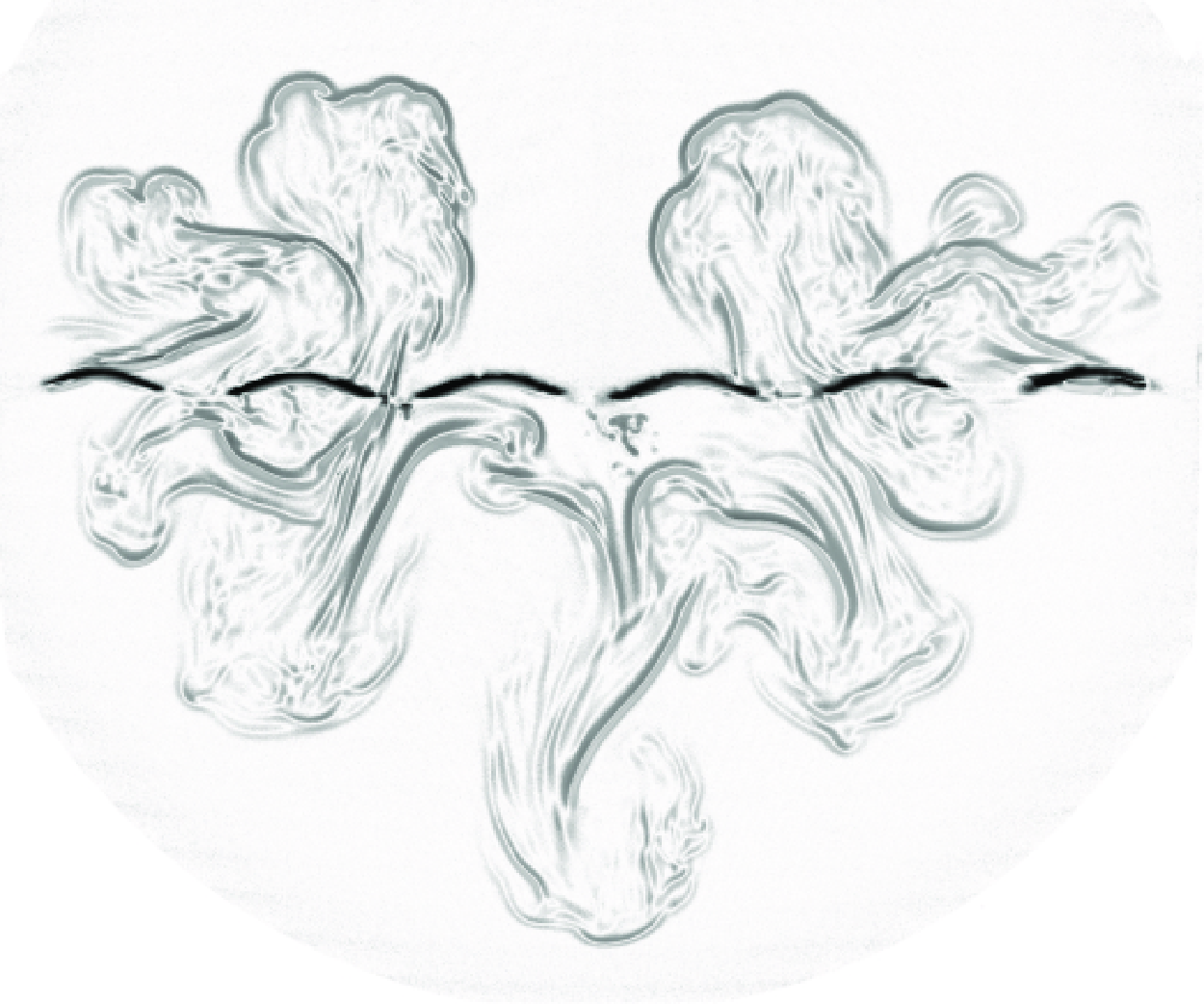
Experimental investigation of two-dimensional Rayleigh–Taylor instability with controllable initial conditions
-
- Journal:
- Journal of Fluid Mechanics / Volume 1015 / 25 July 2025
- Published online by Cambridge University Press:
- 17 July 2025, A10
-
- Article
- Export citation
-
Experimental investigation of the Rayleigh–Taylor instability (RTI) and its dependence on initial conditions has been challenging, primarily due to the difficulty of creating a well-defined gaseous interface. To address this, a novel soap film technique was developed to create a discontinuous two-dimensional SF $_6$air interface with precisely controlled initial conditions. High-order modes were superimposed on a long-wavelength perturbation to study the influence of initial conditions on RTI evolution. Experiments conducted at Atwood numbers ranging from 0.26 to 0.66 revealed that bubble growth shows a weak dependence on both initial conditions and Atwood numbers, whereas spike growth is more influenced by these factors. Spike growth accelerates as the wavenumber of the imposed high-order modes decreases and/or the Atwood number increases. To quantify these effects, a variation on the previously developed potential flow model was applied, capturing the suppression of high-order modes and Atwood number dependence on RTI growth. In turbulent flow, the self-similar factors of bubbles and spikes exhibit minimal sensitivity to initial conditions. However, in relation to the Atwood number, the self-similar factors of bubbles (or spikes) demonstrate negligible (or significant) dependence. Comparisons with literature revealed that two-dimensional flows yield lower self-similar factors than three-dimensional flows. Furthermore, the discontinuity of the initial interface in this study, achieved through the soap film technique, results in faster spike growth compared with previous studies involving a diffusive initial interface. These findings provide critical insights into the nonlinear dynamics of RTI and underscore the importance of well-characterised initial conditions in experimental studies.

Dedication
-
- Book:
- Financial Data Science
- Published online:
- 17 December 2025
- Print publication:
- 17 July 2025, pp v-vi
-
- Chapter
- Export citation
New insights into the cavitation erosion by bubble collapse at moderate stand-off distances
-
- Journal:
- Journal of Fluid Mechanics / Volume 1015 / 25 July 2025
- Published online by Cambridge University Press:
- 17 July 2025, A33
-
- Article
- Export citation
-
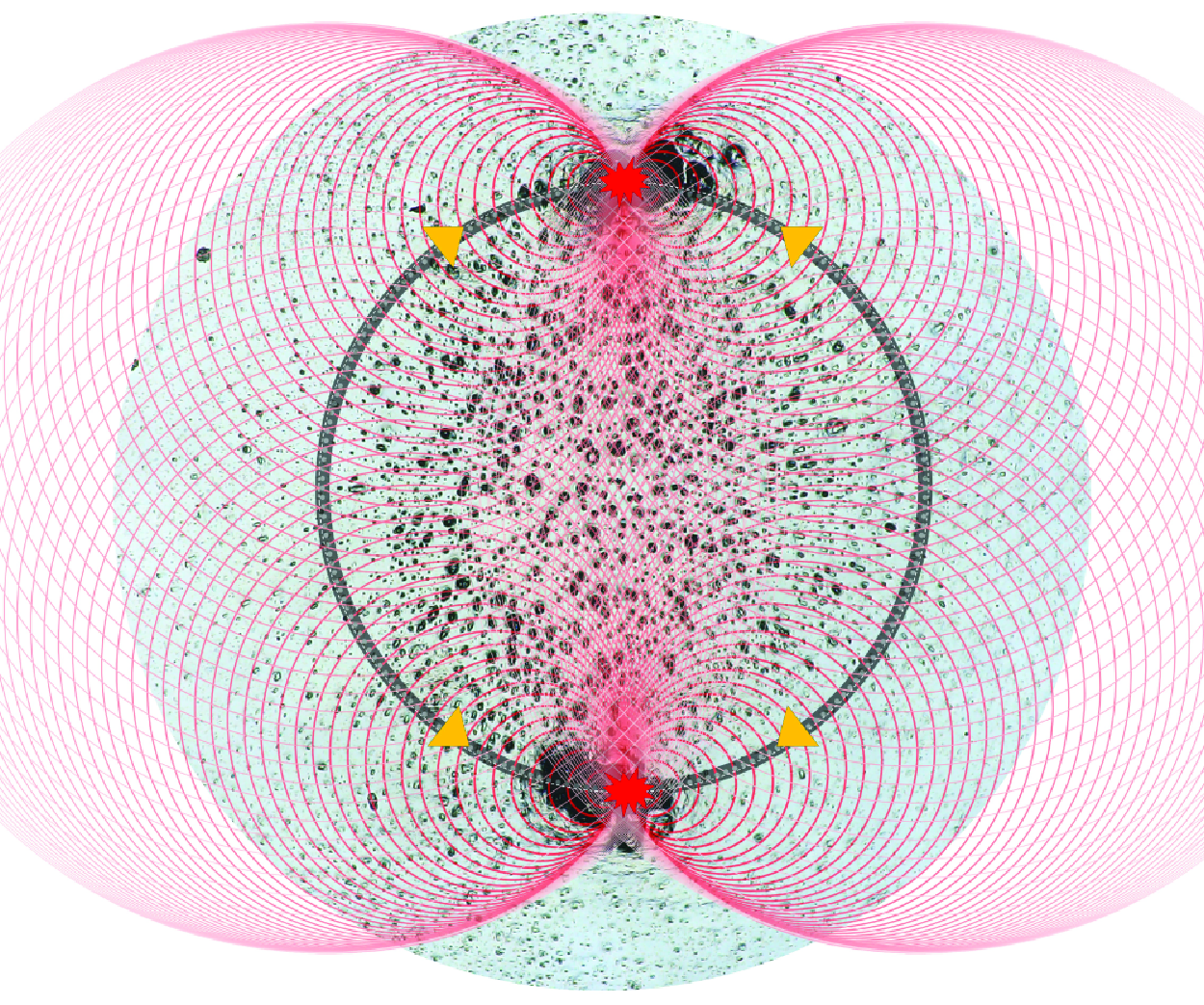
Non-spherical bubble collapses near solid boundaries, generating water hammer pressures and shock waves, were recognized as key mechanisms for cavitation erosion. However, there is no agreement on local erosion patterns, and cavitation erosion damage lacks quantitative analysis. In our experiments, five distinct local erosion patterns were identified on aluminium sample surfaces, resulting from the collapse of laser-induced cavitation bubbles at moderate stand-off distances of $0.4\leqslant \gamma \leqslant 2.2$, namely bipolar, monopolar, annular, solar-halo and central. Among them, the bipolar and monopolar patterns exhibit the most severe cavitation erosion when the toroidal bubbles undergo asymmetrical collapse along the circumferential direction during the second cycle. Shadowgraphy visualization revealed that asymmetrical collapse caused shockwave focusing through head-on collision and oblique superposition of wavefronts. This led to the variations in toroidal bubble radii and the positions of maximum erosion depth not matching at certain stand-off distances. Both initial plasma asymmetry and bubble–wall stand-off distance were critical in determining circumferential asymmetrical collapse behaviours. At large initial aspect ratios, the elliptical jet tips form during the contraction process, resulting in the toroidal bubble collapsing from regions with smaller curvature radii, ultimately converging to the colliding point along the circumferential direction. Our three-dimensional simulations using OpenFOAM successfully reproduce the key features of circumferentially asymmetrical bubble collapse. This study provides new insights into the non-spherical near-wall bubble collapse dynamics and provides a foundation for developing predictive models for cavitation erosion.

9 - Neural networks and deep learning
-
- Book:
- Financial Data Science
- Published online:
- 17 December 2025
- Print publication:
- 17 July 2025, pp 215-244
-
- Chapter
- Export citation
7 - Linear classifiers
-
- Book:
- Financial Data Science
- Published online:
- 17 December 2025
- Print publication:
- 17 July 2025, pp 165-192
-
- Chapter
- Export citation
Copyright page
-
- Book:
- Financial Data Science
- Published online:
- 17 December 2025
- Print publication:
- 17 July 2025, pp iv-iv
-
- Chapter
- Export citation

Fundamentals of Electrical Engineering
-
- Published online:
- 16 July 2025
- Print publication:
- 10 November 2016
-
- Textbook
- Export citation
Enstrophy variations in the collapsing process of point vortices
-
- Journal:
- Journal of Fluid Mechanics / Volume 1015 / 25 July 2025
- Published online by Cambridge University Press:
- 16 July 2025, A14
-
- Article
-
- You have access
- Open access
- HTML
- Export citation
Heat transfer in drop-laden low-Prandtl-number channel turbulence
-
- Journal:
- Journal of Fluid Mechanics / Volume 1015 / 25 July 2025
- Published online by Cambridge University Press:
- 16 July 2025, A19
-
- Article
-
- You have access
- Open access
- HTML
- Export citation
-
In this work, we numerically investigate heat transfer in low-Prandtl-number drop-laden wall-bounded turbulence. These flows are characteristic of nuclear and fusion technologies, where liquid metals – known for their high thermal conductivity – are laden with drops or bubbles of another liquid or pressurised gas. To this end, we consider forced convection turbulence between two differentially heated parallel plates. The carrier phase (i.e. liquid metal) is characterised by a low Prandtl number $Pr_c=0.013$, while for the dispersed phase, we explore a range of Prandtl numbers from $Pr_d=0.013$ (matched case) to $Pr_d=7$ (super-unitary Prandtl number in the dispersed phase). Simulations are conducted at constant friction Reynolds number $Re_\tau =300$, and for each dispersed phase Prandtl number, two volume fractions are examined: $\alpha =5.4\,\%$ and $\alpha =10.6\,\%$. The simulation framework relies on direct numerical simulation of the Navier–Stokes equations, coupled with a phase-field method and the energy equation. Results show that an increase of the dispersed phase Prandtl number reduces heat transfer, leading to a lower Nusselt number for both volume fractions. To explain this behaviour, we analyse how the drops modify the temperature field, and demonstrate that the heat transfer reduction stems from a decreased diffusive heat flux within the dispersed phase. Finally, we propose a phenomenological model to predict the Nusselt number as a function of both the dispersed phase volume fraction and Prandtl number.


Angstrom-scale ionic streaming when the electrical double-layer concept fails
-
- Journal:
- Journal of Fluid Mechanics / Volume 1015 / 25 July 2025
- Published online by Cambridge University Press:
- 16 July 2025, A13
-
- Article
- Export citation
-
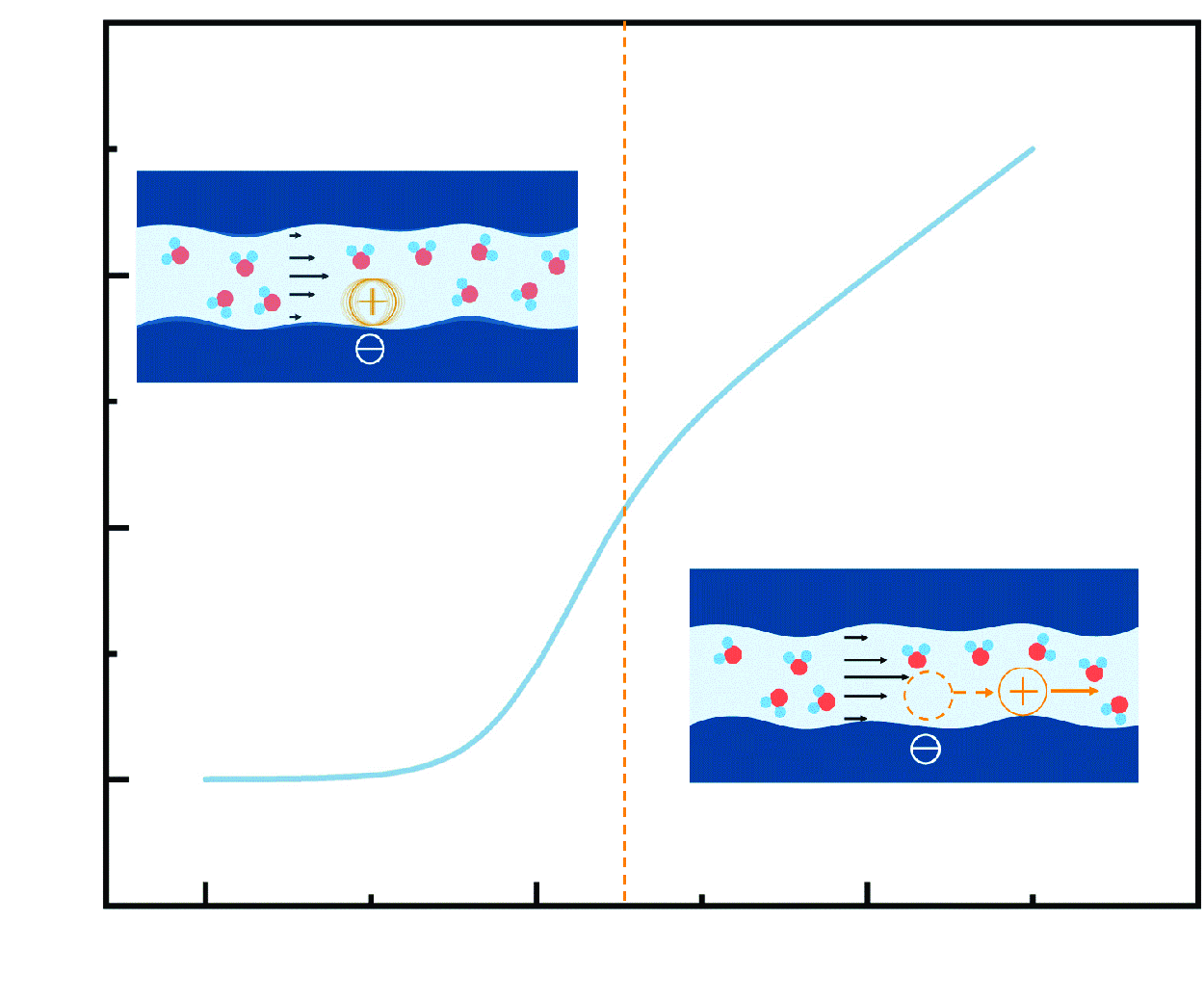
A knowledge gap exists for flows and transport phenomena at the angstrom scale when the Poisson–Nernst–Planck equation based on the concept of the electrical double layer fails. We discovered that streaming conductance becomes pressure-dependent in angstrom channels using latent-track membranes. The streaming current emerges only when the applied pressure exceeds a threshold value, which is inconsistent with the existing knowledge as a constant. With increasing channel size, we found that the pressure-dependent streaming conductance phenomenon weakens and vanishes into a constant streaming conductance regime when the mean channel radius exceeds $\sim$2 nm. The effective surface potential derived from the streaming conductance that divides conduction anomalously increases as the channel narrows. We suspect that the pressure-dependent streaming current is due to the reinforced Coulomb interaction between counterions and deprotonated carboxyl groups at the surface, which is close to the ion channel but different from that of electrified two-dimensional materials. The streaming current emerged due to hydrodynamic friction when the counterions were released from the surface. We approximated the stochastic process of counterion dissociation by a one-dimensional Kramer escape theory framework and defined the Damk $\ddot {\mathrm{o}}$hler number to describe the transition from the nonlinear streaming conductance regime to the linear regime as functions of applied pressure and channel radius and well explained the enhanced effective surface potential in confinement.


Vorticity dynamics and drag for flows over a sphere and a prolate spheroid
-
- Journal:
- Journal of Fluid Mechanics / Volume 1015 / 25 July 2025
- Published online by Cambridge University Press:
- 16 July 2025, A9
-
- Article
-
- You have access
- Open access
- HTML
- Export citation
-
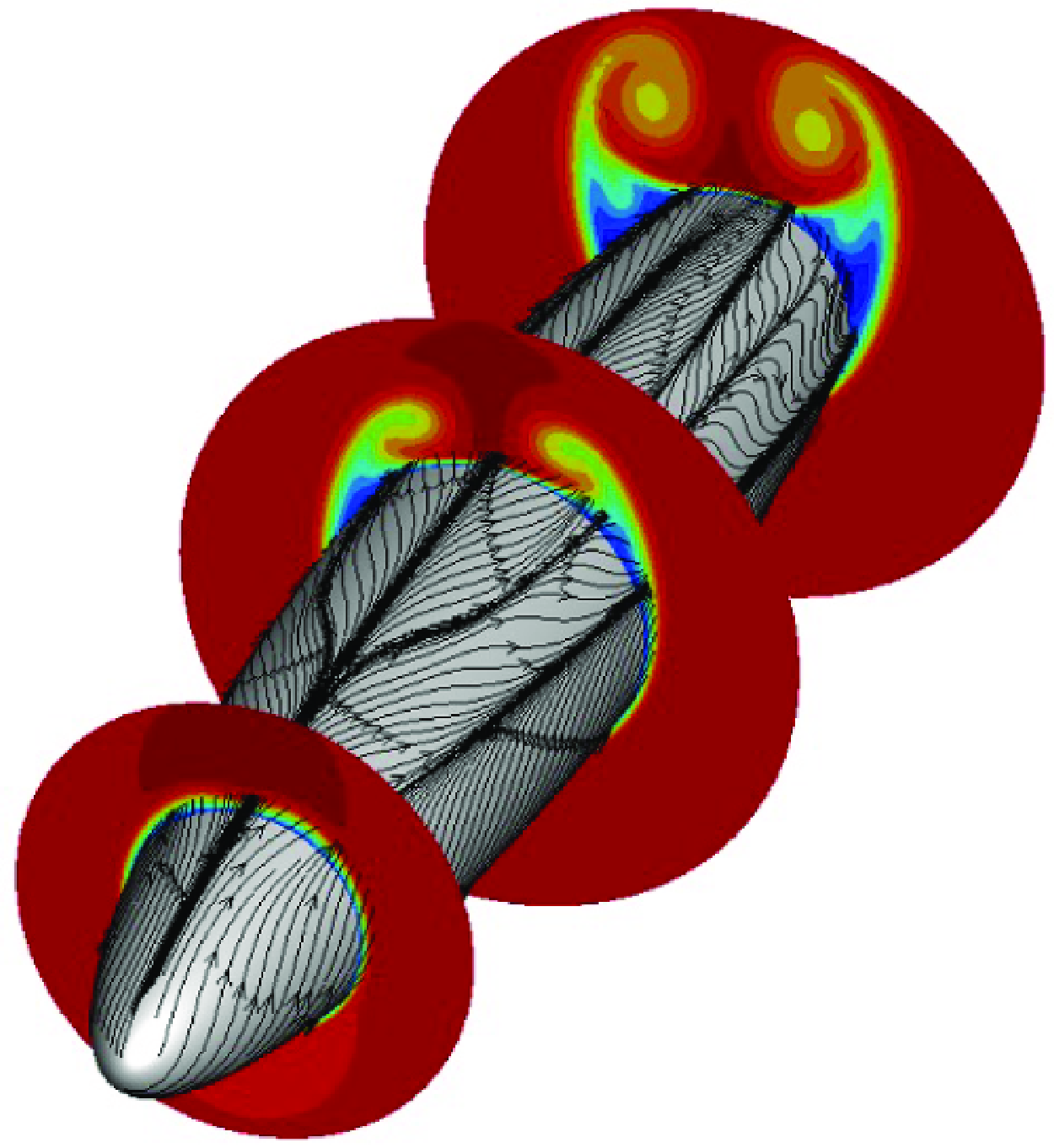
The connection between the drag and vorticity dynamics for viscous flow over a bluff body is explored using the Josephson–Anderson (J–A) relation for classical fluids. The instantaneous rate of work on the fluid, associated with the drag force, is related to the vorticity flux across the streamlines of a background potential flow. The vorticity transport itself is examined by aid of the Huggins vorticity-flux tensor. The analysis is performed for three flows: flow over a sphere at Reynolds numbers $Re=200,3700$, and flow over a prolate spheroid at $Re=3000$ and $20^{\circ }$ incidence. In these flows, the vorticity transport shifts the flow away from and towards the ideal potential flow, with a net balance towards the former effect thus making an appreciable contribution to the drag. The J–A relation is first demonstrated for the flow over a sphere at $Re=200$. The drag power injection is related to the viscous flux of azimuthal vorticity from the wall into the fluid, and the advection of vorticity by the detached shear layer. In the wake, the azimuthal vorticity is advected towards the wake centreline and is annihilated by viscous effects, which contributes a reduction in drag. The analysis of the flow over a sphere at $Re=3700$ is reported for the impulsively started and stationary stages, with emphasis on the effects of unsteady two-dimensional separation and turbulent transport in the transitional wake. The turbulent flux in the wake enhances the transport of mean azimuthal vorticity towards the wake centreline, and is the main driver of the recovery of enthalpy between the rear point of the sphere and far downstream. The rate of work on the fluid by the drag force for a prolate spheroid is mostly due to the transport of vorticity along the separated boundary layers. Primary and secondary separation contribute oppositely to the power injection by the drag force, while the large-scale vortices only re-distribute vorticity without a net contribution. A mechanism for secondary separation is proposed based on the theory of vortex-induced separation.


Interactions of flexural-gravity and interfacial waves in a two-layer fluid with a discontinuous background mean flow
-
- Journal:
- Journal of Fluid Mechanics / Volume 1015 / 25 July 2025
- Published online by Cambridge University Press:
- 16 July 2025, A22
-
- Article
- Export citation
Flow-induced vibration of a cylinder subjected to proximity interference by a downstream-cylinder
-
- Journal:
- Journal of Fluid Mechanics / Volume 1015 / 25 July 2025
- Published online by Cambridge University Press:
- 16 July 2025, A16
-
- Article
- Export citation
-
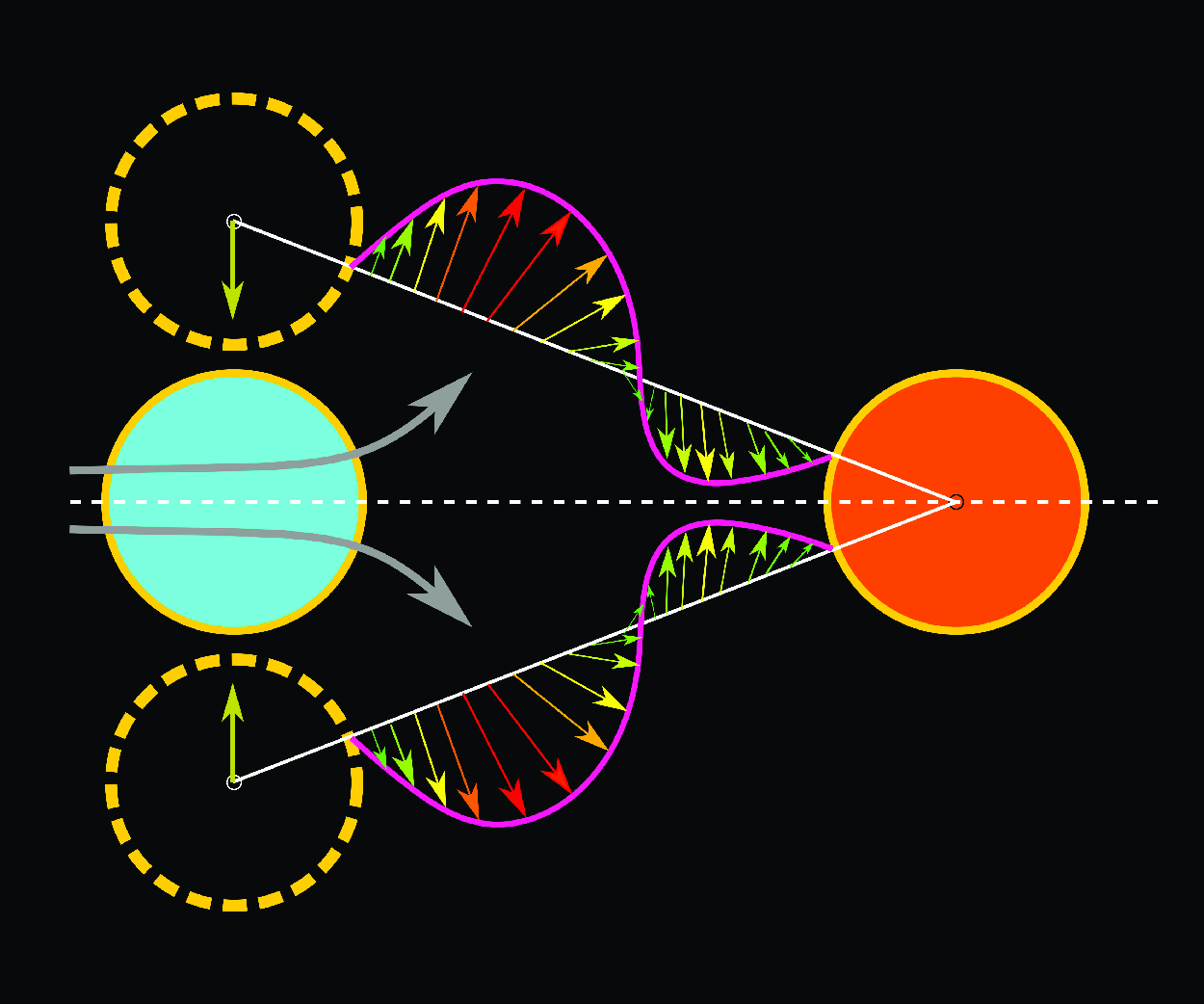
A numerical study is presented on flow-induced vibration of a circular cylinder, under the effect of a downstream stationary cylinder-induced proximity interference. The interference-induced various types of gap-flow regimes and characteristics of vibration and gap-flow rate $Q^*_g$ are presented, by considering various non-dimensional gaps $G^* = 0.1{-}2.5$ and reduced velocities $U^* = 3{-}20$ at a constant Reynolds number $Re = 100$, mass ratio $m^*= 2$ and damping ratio $\zeta = 0.005$. Decreasing $G^*$ or increasing proximity leads to the four gap-flow regimes: bi-directional gap flow at $G^* \geqslant 1.0$, uni-directional non-orthogonal gap flow at $G^* = 1.5{-}1.0$, uni-directional orthogonal gap flow at $G^* \leqslant 0.5$ and uni-directional one-sided gap flow at $G^* \leqslant 0.3$. Further, the respective regimes at larger $U^*$ are associated with proximity-induced modified vortex-induced vibration (PImVIV), proximity-induced galloping (PIG), transitional PImVIV–PIG, and proximity-induced staggered vibration (PISV). Quantitative presentation of maximum gap-flow rate $Q^*_{{g,max}}$, phase $ \phi _g$ (between $Q^*_{g}$ and displacement $y^*$) and phase portraits ( $Q^*_{g}$ versus $y^*$) provides clear demarcation between the various gap-flow regimes. Flow mechanisms are presented for the PImVIV, PIG and PISV responses. For the PIG, the mechanism is presented for the first time on generation of galloping instability, asymptotically increasing $A^*$ and existence of optimum gap $G^* = 0.5$ for the maximum amplitude. This work is significant as it provides new insights into the proximity interference-induced gap-flow dynamics between two cylinders, associated flow mechanism for both vibration mitigation and enhancement and promising potential applications for energy harvesting.


