To save content items to your account,
please confirm that you agree to abide by our usage policies.
If this is the first time you use this feature, you will be asked to authorise Cambridge Core to connect with your account.
Find out more about saving content to .
To save content items to your Kindle, first ensure no-reply@cambridge.org
is added to your Approved Personal Document E-mail List under your Personal Document Settings
on the Manage Your Content and Devices page of your Amazon account. Then enter the ‘name’ part
of your Kindle email address below.
Find out more about saving to your Kindle.
Note you can select to save to either the @free.kindle.com or @kindle.com variations.
‘@free.kindle.com’ emails are free but can only be saved to your device when it is connected to wi-fi.
‘@kindle.com’ emails can be delivered even when you are not connected to wi-fi, but note that service fees apply.
Evidence is essential to suicide prevention. Delay until the evidence base is complete is not possible, so cautious advice must be given to policy makers on imperfect evidence. This means recognising uncertainty, including the risk that the advice may cause more harm than good. Evaluation during implementation is critical but frequently neglected. The UK has a system of nationwide statistics, supplemented by a National Confidential Inquiry into Suicide and Safety in Mental Health (NCISH) into all apparently suicidal deaths during or after mental health care. In addition, there are recently devised real-time statistics of suspicious deaths. There is a system of self-harm registers, independent of official systems. These systems have generated unusually good information on suicidal deaths and self-harm, leading to tangible improvements. However, like all evidence, it is still imperfect.
Men comprise the majority of those who die of suicide [1]. This pattern is often taken as an indication that suicide is a male behaviour and a male problem, and that men are naturally and perhaps inevitably more prone to suicide than women (see Canetto’s studies in 1992–3 and 2021 [2,3] and Kushner’s 1993 study [4] for critical analyses of this idea).
Suicide, however, is not always more common in men than in women when the data is examined over time, by country and within country by age groups. For example, as recently as 2012, men were less likely to die of suicide than women in China, Indonesia, Iraq and Pakistan [5]. These countries compose a major proportion of the global population, so their suicide patterns cannot be dismissed as minor exceptions. Also, currently, in some countries, men are less likely to die of suicide than women in certain age groups.
The concluding chapter summarises the book’s central argument that laws, policies, and practices which privilege the birth and survival of the non-disabled fundamentally challenge the notion that people with impairments have an equal right to live in the world. It also discusses avenues for further research, before closing with some final remarks.
To use Ronald Dworkin’s well-known phrase, moral equality is usually taken to be the ‘egalitarian plateau’ on which theories of social justice (including theories of social equality) are built. If this is right, then people living with dementia must be our moral equals, in the sense of possessing the same basic moral standing, if we are to have duties of social justice towards them. Yet there are a number of influential moral philosophers who hold that severe cognitive disability, including advanced dementia, can strip a person of this status. This chapter defends the moral equality of people living with dementia, at all stages of progression, and thereby also defends the weight of their claims to social justice.
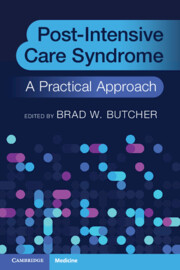
This practical book offers in-depth explorations of the pathophysiology of post-intensive care syndrome (PICS), risk factors for its development, strategies for prevention, approaches to diagnosis and management, and general principles of ICU survivorship and aftercare, accompanied by case studies and personal perspectives from survivors of critical illness and their loved ones. An international, interprofessional group of experts covers key topics, including delirium, ICU-acquired weakness, and other hazards of hospitalization; the ABCDEF bundle, ICU diaries, and family-centred care; ICU follow-up clinics and peer support programs; and comprehensive rehabilitation strategies and therapeutic interventions both in and after the hospital. Special populations, including older adults, children, those with long-COVID syndrome, and survivors of neurological injury and cardiac arrest are also discussed. The book is essential reading for physicians, nurses, and allied health professionals caring for this patient population and serves as a detailed reference to help patients with PICS better understand the condition.
For decades, psychiatry has focused on initiating treatment—which medication to prescribe, in what dose, and for how long. But what happens when treatment needs to stop? How a medication is stopped is just as important as how it is started, and abrupt discontinuation can lead to unnecessary suffering, relapse, and often preventable withdrawal symptoms. Based on the principles of the bestselling Stahl's Prescriber's Guide, this essential resource provides user-friendly guidance on deprescribing or switching psychotropic medications safely and effectively. 64 medications are presented in a consistent format to facilitate rapid access to deprescribing information. Divided into color coded sections, the book allows the reader to identify key details about when and why to deprescribe, the risks and mechanisms of withdrawal, tapering protocols, cross-titration strategies, and how to distinguish withdrawal symptoms from relapse. Evidence-based recommendations and expert clinical insights make this a must-have manual for all psychiatric prescribers.
Telomere length is a biomarker of ageing, with shorter lengths associated with higher risk of age-related diseases and mortality. Oxidative stress and inflammation predominantly contribute to telomere shortening. Diets rich in antioxidant and anti-inflammatory properties may help preserve telomere length. Nuts and seeds contain antioxidant and anti-inflammatory nutrients and bioactive compounds. Their consumption is recognised as protective against age-related conditions. The objective of this review is to evaluate the role of nut and seed intake on telomere length in humans. A systematic search was conducted in four databases from inception to 12 March 2024 to identify observational and interventional studies assessing nut and seed intake and measured telomere length as an outcome in adults (aged ≥18 years). Data from the included articles were extracted by one reviewer and verified by another reviewer. Out of the nine observational studies included, three reported positive associations between nut and seed intake and telomere length. None of the four interventional studies included reported a significant positive effect. Meta-analysis was not performed due to high variability in reporting telomere length measurements. The evidence is insufficient to confirm a beneficial role of nut and seed intake on telomere length. Adequately powered long-term intervention studies are needed.
Muscular dystrophy (MD) encompasses inherited myopathies characterised by progressive skeletal and cardiac muscle degeneration, chronic inflammation, and metabolic dysfunction. While emerging therapies show pre-clinical promise, few reach clinical translation, highlighting the need for supportive interventions to improve function and quality of life (QoL). Nutritional strategies may offer such benefits; however, limited data exist characterising diet in MD or associations with functional outcomes. This study assessed diet, nutritional status, and associations with muscle strength, function, and QoL in MD adults. Adults with MD (n = 39; FSHD = 8, LGMD = 9, Other = 22) and matched controls (n = 15) completed two 3-day food records, strength/function assessments, and QoL questionnaires. Between-group differences were analysed using t-tests or Mann-Whitney U, and associations using Pearson’s r or Spearman’s Rho (p < 0.05). Compared to controls, individuals with MD consumed more energy (89% vs. 35% exceeded RDI, p = 0.023), but less carbohydrate (-21%, p = 0.013), sugar (-31%, p = 0.004), protein (-15%), BCAAs (-31%, p = 0.049), and vitamin C (-43%, p = 0.009). MD participants demonstrated reduced muscle thickness, strength, function, and reported lower QoL and physical capacity (all p < 0.05). Protein intake positively correlated with strength and function (p < 0.05); BCAA intake was associated with lean mass (r = 0.442, p = 0.02) and strength (r = 0.372, p = 0.036). Findings indicate adults with MD consume excess energy but insufficient protein and micronutrients, supporting the need for MD-specific dietary guidance to optimise musculoskeletal health and QoL.
Infective endocarditis is a leading cause of morbidity and mortality in children and adolescents with underlying CHD. Appropriate diagnostic workup and management in the inpatient setting can be challenging in this patient population due to the spectrum of disease complexity and the dynamic nature of the field. Therefore, the Paediatric Acute Care Cardiology Collaborative has undertaken the creation of this clinical practice guideline.
Methods:
A panel of paediatric cardiologists, infectious disease specialists, intensivists, advanced practice practitioners, pharmacists, cardiothoracic surgeons, and a dentist was convened. The literature was systematically reviewed for relevant articles on the management of infective endocarditis in patients with CHD. Using the modified Delphi technique, recommendations were generated and put through iterative Delphi rounds to achieve consensus for inclusion.
Results:
Based on 127 articles that met the inclusion criteria, 82 recommendations were generated, 50 of which achieved consensus for inclusion and are included in this guideline. They address risk factors specific to CHD lesion type and prior interventions including implanted material, diagnostic considerations, management strategies, and recommendations on counselling other healthcare providers, patients, and families. Of the 50 consensus recommendations, 36 are strong recommendations, though 20 have low or very low quality of evidence.
Conclusions:
A central theme in this guideline is that an individual’s specific CHD lesion and prior interventions must be carefully considered for risk stratification, diagnostic approach, and management. While most are strong recommendations, many are supported by low quality of evidence, emphasising the need for further research in this subject.
This prospective study investigated associations of various diet quality indices with mortality in Japan. Participants were 13,355 men and 15,724 women from the Takayama study. Eight diet quality indices were assessed using a food frequency questionnaire: the Dietary Approaches to Stop Hypertension (DASH), Alternative Mediterranean diet scores (AMED), Healthy Eating Index-2015 (HEI-2015), Alternate Healthy Eating Index-2010 (AHEI-2010), Nutrient Rich Food Score 9.3 (NRF9.3), Diet Quality Score for Japanese (DQSJ), Japanese Food Guide Spinning Top (JFGST), and 12-item Japanese Diet Index (JDI12). Cox proportional models estimated hazard ratios (HRs) and 95% confidence intervals (CIs) for all-cause and cause-specific mortality in 1 standard deviation (SD) difference for each index, with adjustment for confounders. During a mean follow-up of 14.1 years, 5,339 deaths were recorded. HRs (95% CIs) per 1 SD higher index were 0.90 (0.87 to 0.93) for AHEI-2010, 0.92 (0.89 to 0.95) for DQSJ, 0.93 (0.91 to 0.96) for NRF9.3, 0.94 (0.92 to 0.97) for AMED and DASH, 0.94 (0.91 to 0.97) for JFGST, 0.94 (0.91 to 0.98) for JDI12, and 0.97 (0.94 to 0.996) for HEI-2015. Similar protective associations were observed for cardiovascular disease mortality, but not for cancer mortality. These findings suggest that all eight indices are associated with lower mortality and that the strength of associations varies across indices; AHEI-2010 showed relatively strong associations, followed by the DQSJ, whereas the associations of HEI-2015 appeared relatively weaker in this Japanese population.
Human brucellosis, a neglected zoonotic disease, often presents as a chronic febrile illness with nonspecific symptoms like asthenia and weight loss, causing significant morbidity and socioeconomic impacts. Combination therapy involving two or more drugs has proven superior to monotherapy. This study aimed to update evidence on the efficacy and safety of therapeutic options through network meta-analysis, supporting the development of Clinical Protocols and Therapeutic Guidelines (CPTG) for human brucellosis in Brazil.
Methods
A systematic search was conducted in the MEDLINE (PubMed), Embase, CENTRAL, and Virtual Health Library databases by independent reviewers to evaluate therapeutic failure, adverse events, and time to defervescence associated with various treatments. Randomized controlled trials (RCTs) evaluating any pharmacological therapeutic intervention were included, while non-original studies, studies focused on localized forms of the disease, or those with fewer than 10 participants were excluded. The risk of bias was assessed using the revised Cochrane risk-of-bias tool, and data were analyzed using a frequentist network meta-analysis approach with a random-effects model. The certainty of evidence was evaluated using the Confidence in Network Meta-Analysis (CINeMA) framework (PROSPERO CRD42023411952).
Results
A total of 31 RCTs involving 4,167 patients were included. Three evidence networks were identified to evaluate the outcomes of interest. Triple therapy (doxycycline plus streptomycin and hydroxychloroquine) for 42 days (risk ratio [RR] 0.08, 95% CI: 0.01, 0.76) had the lowest risk of therapeutic failure, compared with doxycycline plus streptomycin. Doxycycline plus rifampin had a higher risk of therapeutic failure than did doxycycline plus streptomycin (RR 1.96, 95% CI: 1.27, 3.01). No significant differences were observed among regimens regarding adverse event incidence or time to defervescence. Most studies had a high risk of bias. The results demonstrated very low certainty of evidence.
Conclusions
This review confirmed the efficacy of doxycycline with aminoglycosides for treating human brucellosis. Hydroxychloroquine showed potential for reducing therapeutic failure but requires further study. The findings support Brazil’s CPTG, including the incorporation of gentamicin sulfate with doxycycline, thereby expanding treatment options within the Brazilian Unified Health System.
Abdominal aortic aneurysm (AAA) is an abnormal dilation of the abdominal aorta, often asymptomatic but potentially fatal if ruptured. Introducing population-based ultrasound screening could support earlier detection and surgical repair. This systematic review assessed the cost effectiveness of population-based ultrasound screening for AAA in men versus no screening, and explored factors influencing cost effectiveness, as part of a health technology assessment.
Methods
Literature searches were conducted in electronic databases and gray literature sources (through to 23 July 2024). Screening, data extraction, quality appraisal (Consensus Health Economic Criteria list) and assessment of transferability (Professional Society for Health Economics and Outcomes Research questionnaire) were performed in duplicate (outlined in protocol CRD42024501141). Findings were presented with reference to the local decision context (Ireland). To facilitate comparison, incremental cost-effectiveness ratios (ICERs) were converted to 2023 EUR. Cost effectiveness was interpreted using willingness-to-pay (WTP) thresholds of EUR20,000 and EUR45,000 per quality-adjusted life year (QALY).
Results
Of 235 reviewed publications, 20 relevant studies were identified for inclusion and analyzed in detail (17 cost-utility analyses [CUAs] and three cost-effectiveness analyses [CEAs]). Screening was found to be cost effective at a WTP threshold of EUR45,000 per QALY in 16 of 17 CUAs (ICERs: EUR200 to EUR30,600 per QALY). CEAs reported ICERs between EUR7,500 and EUR16,100 per life year gained. In sensitivity analyses, AAA screening became less cost effective with decreasing AAA prevalence. None of the studies were considered transferable to the Irish context.
Conclusions
International evidence suggested that AAA screening in men was cost effective. However, despite the consistency of findings in the evidence base, declining AAA prevalence contributed to uncertainty about the long-term cost effectiveness of AAA screening in men.
The objective of this assessment was to determine the benefit of using a next-generation sequencing gene panel for the clinical management of patients with non-small cell lung cancer. The aim was to assess the diagnostic performance, identify the molecular alterations of interest, and define the role of this technology in the therapeutic care of these patients.
Methods
The method used for this assessment were based on: (i) a critical analysis of systematic reviews and meta-analyses and clinical practice guidelines identified by a systematic search based on PICO criteria (Population, Intervention, Comparator, Outcome); (ii) the identification of the level of evidence of the clinical actionability of molecular targets, as set out by the European Society for Medical Oncology scale, and targeted therapies included on the list of reimbursable drugs, or drugs that have compassionate use authorizations; and (iii) stakeholder consultations, as well as public health institutions.
Results
Assessment of the evidence and data demonstrated that next-generation sequencing gene panel testing (EGFR, ALK, ROS1, BRAF, RET, and KRAS): (i) is highly concordant with the comparators (Kappa coefficient of 0.884); (ii) can detect additional targetable molecular alterations (marginal increase in the detection capacity of 2%); (iii) makes better use of the tumor tissue; and (iv) has clinical utility, demonstrated by the benefits provided by targeted therapies.
Conclusions
The next-generation sequencing gene panel (EGFR, ALK, ROS1, BRAF, RET, KRAS) was recommended for patients with locally advanced or metastatic non-small cell lung cancer, following diagnosis or in cases of progression, excluding any emergency situations. The composition of the gene panel may be subject to change, in accordance with favorable assessments of new gene alterations.
Social media listening studies (SMLS) analyze online dialogue from patients, caregivers, and clinicians to gain insights into the lived experience of disease including treatment efficacy and safety, and unmet needs. This analysis aims to understand whether SMLS is a feasible method for generating real-world data that can shape pivotal trial design or supplement trial data for health technology assessment (HTA).
Methods
A targeted literature search was conducted on PubMed to identify articles published in English that describe and report the findings of SMLS specifically investigating health conditions and diseases. No limits were placed on date of publication or geographical scope. Information was extracted from these papers and used to map concepts and themes covered in SMLS to key domains of HTA submission dossiers in the UK, France, and Germany, as well as the upcoming joint clinical assessments (JCA). This analysis was used to determine the extent to which SMLS can be used to generate payer-relevant data.
Results
A total of 19 papers were included in this analysis. All studies used a retrospective approach, and the majority (84%) analyzed data from more than one market. The most common markets included were the UK (74%), USA (58%), France, and Germany (53%). Thirty-two percent included only patient conversations; 47 percent included conversations from patients, caregivers, family, and friends; and 21 percent included physicians. The most common themes covered were quality of life (89%), burden of disease or symptomology (79%), and treatment patterns (79%), which align closest to the dossier templates for HAS (French National Authority for Health) and the JCA.
Conclusions
All studies in this analysis included data that would be relevant for HTA submission, and the majority provided data that would speak to multiple payer concerns. While there are no published guidelines for leveraging SMLS for HTA, this analysis indicated that this methodology could potentially be used alongside trial data to highlight the patient experience within reimbursement submissions.
Patient and citizen perspectives are a cornerstone of health technology assessments (HTA), ensuring transparency and alignment with societal needs. This study examined the role of public opinion on the evaluation of button feeding tubes for recommendation in Brazil’s Unified Health System (SUS). The objective was to assess how public opinion shaped the final recommendation ensuring equitable access to this technology.
Methods
This was a qualitative review of the contributions received by the Brazilian Ministry of Health during the public consultation process about button feeding tubes in 2021. Data sources included contributions from various stakeholders, which were analyzed for their alignment with the preliminary recommendation and their impact on the final deliberation.
Results
A total of 425 contributions from patients, caregivers, healthcare professionals, and industry representatives were analyzed. All of them supported the recommendation of button feeding tubes for pediatric patients in need of long-term enteral nutrition. Overall, they highlighted the advantages of the technology compared to long gastrostomy tubes such as reduced complications, cost effectiveness, ease of use, and improved quality of life. Their impact on patient dignity and social inclusion was also mentioned. Transparent communication throughout the process fostered trust and encouraged meaningful participation. Stakeholder input significantly influenced decision-making, particularly in prioritizing equitable access and designing implementation strategies.
Conclusions
Patient and citizen involvement proved crucial to the unanimous agreement to recommend the inclusion of button feeding tubes in the SUS. Their perspective on the technology’s potential to improve patient care and resource allocation was an important component to decision-making. This case highlighted the value of public engagement in fostering transparent and equitable HTA processes.
The development and implementation of the health technology assessment process by the Superintendence of Health and Labor Risks (SISALRIL) optimizes the inclusion of technologies in the Basic Health Plan, based on scientific evidence. This process (known as EVTESA) strengthens the social security system in the Dominican Republic by promoting informed decision-making, transparency, and spending efficiency; ensuring access to safe and effective technologies; and addressing historical challenges in the analysis and incorporation of technologies into the healthcare system.
Methods
SISALRIL, an autonomous entity created by Law 87-01, evaluates and updates the impact of the Basic Health Plan. Since 2020, it has been part of RedETSA, the Health Technology Assessment Network of the Americas, and leads EVTESA, which was institutionalized in 2022 through Resolution No. 0010-2022. EVTESA ensures evidence-based decisions for including technologies in the Dominican Family Health Insurance, promoting transparency, participation, and financial sustainability, while optimizing resources and improving healthcare quality. EVTESA represents a key methodological framework for evaluating and prioritizing healthcare technologies in the Dominican Republic, transforming the evaluation of technology inclusion and exclusion, and modernizing the historical approach to analyzing benefits for the population.
Results
The implementation of EVTESA has established a structured framework with key documents, such as Resolution No. 0010-2022, which institutionalizes the process, and the methodological manuals for prioritizing and evaluating health technologies. The process includes the reception and verification of requests, evaluation using standardized methodologies, report approval after consensus with medical societies and patients, and decision-making by the National Health Insurance Council regarding the inclusion of technologies in the Dominican Social Security System. The prior analysis for the inclusion of coverage in the plan has strengthened coverage policies, resulting in the allocation of benefits to populations where the greatest clinical impact is achieved and healthcare spending is used more efficiently.
Conclusions
EVTESA marks a pivotal advancement in the Dominican Republic’s social security system by optimizing resources and ensuring access to effective health technologies. This evidence-based, equitable model enhances healthcare quality while promoting sustainability, transparency, and public trust. It also serves as a benchmark for other developing countries, demonstrating how systematic, transparent decision-making can strengthen health systems.