To save content items to your account,
please confirm that you agree to abide by our usage policies.
If this is the first time you use this feature, you will be asked to authorise Cambridge Core to connect with your account.
Find out more about saving content to .
To save content items to your Kindle, first ensure no-reply@cambridge.org
is added to your Approved Personal Document E-mail List under your Personal Document Settings
on the Manage Your Content and Devices page of your Amazon account. Then enter the ‘name’ part
of your Kindle email address below.
Find out more about saving to your Kindle.
Note you can select to save to either the @free.kindle.com or @kindle.com variations.
‘@free.kindle.com’ emails are free but can only be saved to your device when it is connected to wi-fi.
‘@kindle.com’ emails can be delivered even when you are not connected to wi-fi, but note that service fees apply.
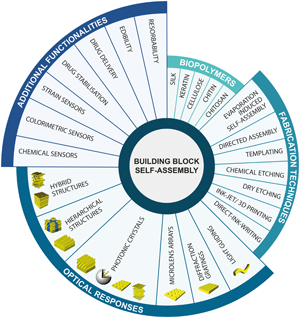
Natural systems displaying optical properties have for long been an inspiration for new classes of optical constructs. Using the same families of materials employed by Nature in combination with their directed assembly allows access to n-dimensions of control to, ultimately, generate optical systems with multiple coexisting functions. This review provides an overview of lab-made optical systems made of protein and polysaccharide-derived materials found in naturally occurring optical systems. Recent advances in optical biomimicry and bioinspired, polyfunctional optical structures are presented, addressing attributes such as sensing, edible devices, biologically activity, and resorbable optical formats.
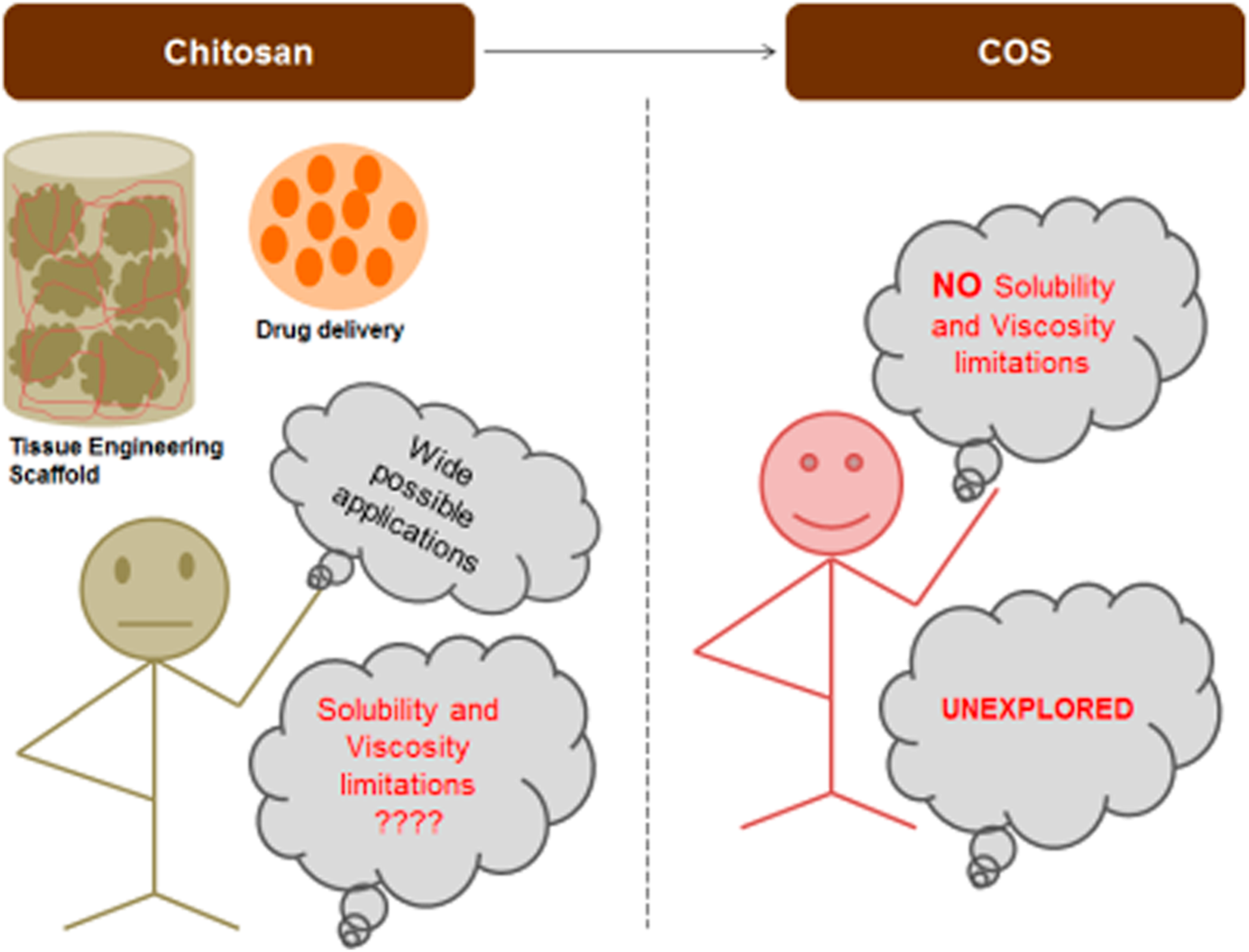
Chitosan is one of the most versatile biopolymers available with established properties such as antimicrobial, antitumor, anti-inflammatory, mucoadhesive, and more. It has been in biomedical research for long, but still the bench-to-bedside translation is hampered because of viscosity and solubility issues. The only commercial application of chitosan has been in hemostatic dressings. Chitosan oligosaccharide (COS), on the other hand, is highly promising in a similar research area where chitosan's limitations come into the way. COS is highly soluble in water, and its viscosity is very less than that of the parent chitosan. Although COS retains properties very similar to those of chitosan, there has been minuscule volume of research on this water-soluble chitosan. COS has been successfully used as a drug delivery vehicle in various research. COS has also shown to have osteogenic ability. It has been used as a coating on experimental orthopedic implants because of its antibacterial properties. As of now, COS is not a much-explored biopolymer, although it could be an important biopolymer for its capacity in biomedical research. This article reviews various properties and reports of COS relevant for biomedical applications.
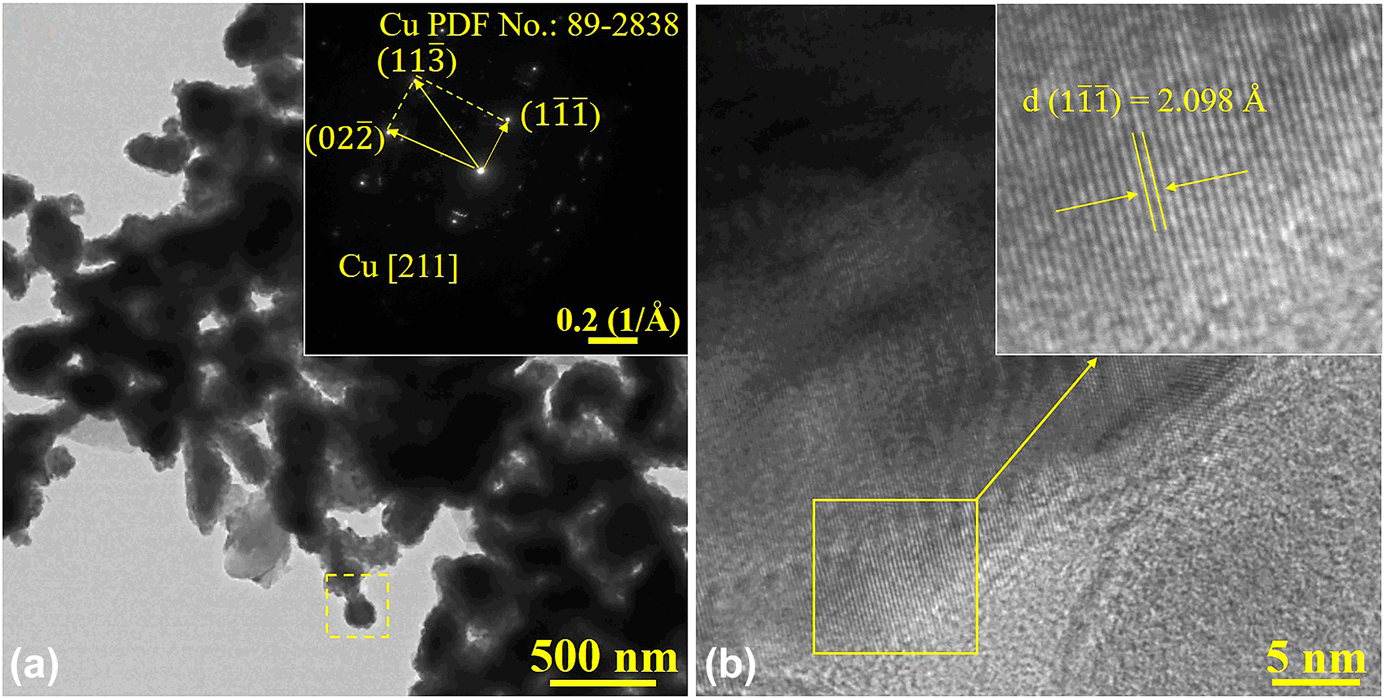
In this article, Al75Cu25 (at.%) ribbons were dealloyed by HCl, H2C2O4, H3PO4, and NaOH solutions, respectively, to prepare nanoporous copper (NPC). The dealloying behavior is varied with dealloying solutions, allowing modulating the microstructure and porosity of the NPC. Al75Cu25 ribbons are fully dealloyed in HCl, H2C2O4, and NaOH solutions, whereas they are partially dealloyed in H3PO4 solution. Except the NPC prepared in the NaOH solution, no obvious cracks are traced in other samples. The surface diffusivity (Ds) of Cu atoms along the alloy/solution interfaces is varied with solutions, producing the NPC with different microstructure. NPC with higher specific surface area can be obtained by dealloying the Al75Cu25 ribbons in the HCl solution. Compared with the dealloying in H2C2O4, H3PO4, and NaOH solutions, the dealloying in 10 wt% HCl solution for 25 min at 90 ± 1 °C facilitates the best NPC in this work.
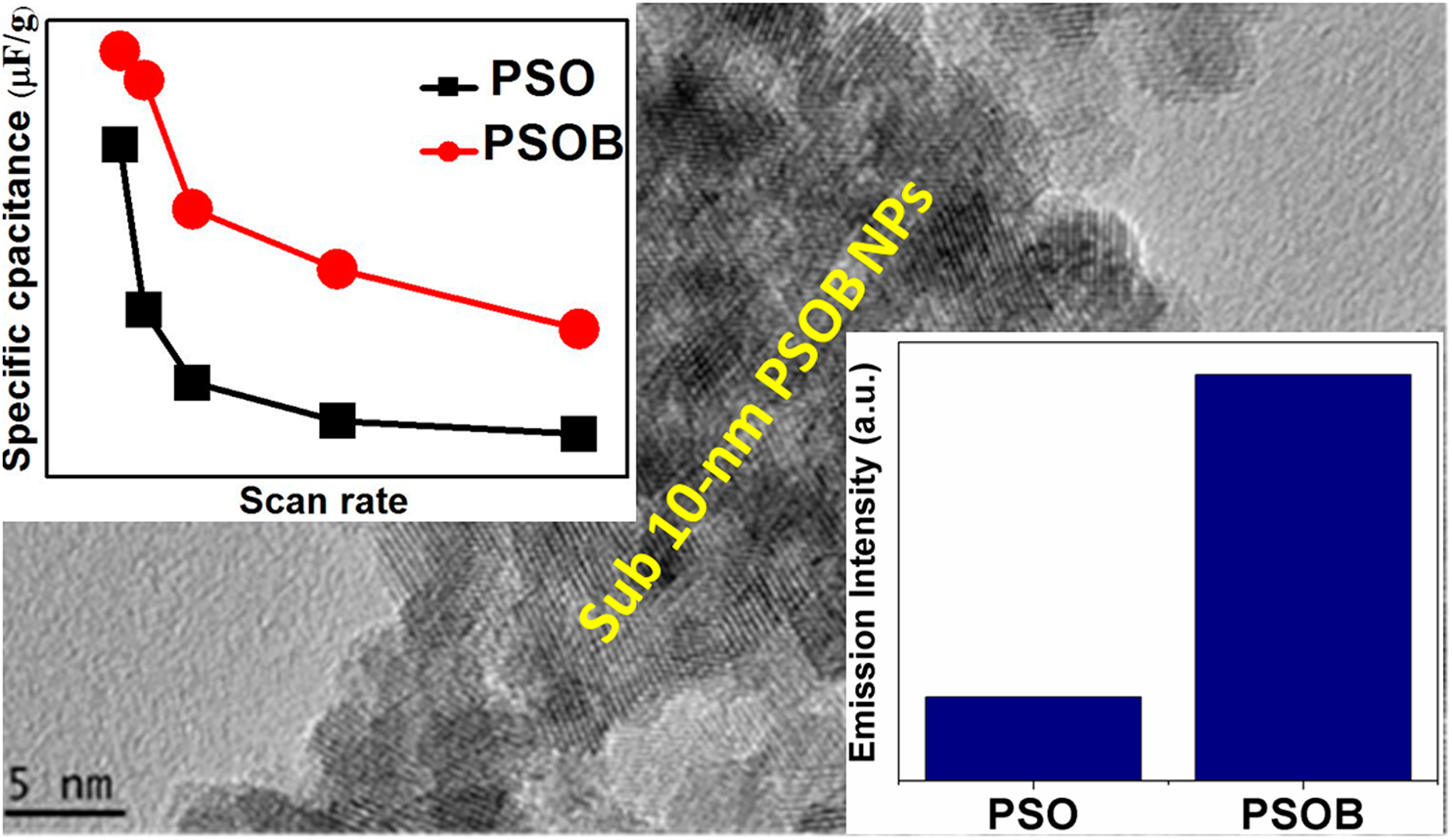
Materials that show superior light-emitting and catalytic properties are in high demand among the scientific community owing to their applications in the areas of optoelectronics and (opto)electrocatalysis. In this work, we have synthesized sub-10-nm Pr2Sn2O7 (PSO) and Pr2Sn2O7:Bi3+ (PSOB) nanoparticles (NPs) and investigated their optical and electrochemical properties. On ultraviolet irradiation, PSO NPs display blue emission because of the presence of oxygen vacancies. Interestingly, PSOB NPs have higher blue emission intensity than undoped PSO NPs owing to the increase in oxygen vacancy defect density induced by Bi3+ doping. Moreover, PSOB NPs display higher efficiency in terms of current density than PSO NPs as a catalyst toward the oxygen evolution reaction (OER). The kinetic OER models of PSO and PSOB NPs are quite different as displayed by their different Tafel slopes. Interestingly and as another advantage, the PSOB sample is more conducting with low impedance value than the PSO counterpart. With all these advantages due to high oxygen vacancies induced by Bi3+ doping, PSOB NPs have a great potential to be used as blue phosphors, charge storage devices, and capacitors.
In this work, filament based on ɛ-polycaprolactone (PCL) and containing the bioactive ceramics nanohydroxyapatite (nHap) and Laponite® (Lap) was prepared by the extrusion process. To obtain the material, a mass ratio of 89:10:1 (PCL:nHap:Lap) was used, and structural and morphological characterization was realized. In addition, cytotoxicity (using Allium cepa bulbs) and viability tests on L929 cells also were performed. The results showed that filament (diameter of 1.79 ± 0.17 mm) presented a good dispersion of nHap and Lap into polymeric matrices. Fourier transform infrared spectroscopy identified typical bands at 1720, 1091, and 1045 cm−1 addressed to PCL and nHAp, In addition, Lap was identified through dispersive energy system and X-ray diffraction analyses. All filaments did not exhibit cytotoxic effects.
The study investigated novel wear and corrosion resistance of stainless steel and 316 stainless steel samples which were successfully prepared by laser melting deposition. Phase composition, microstructure, microhardness, wear resistance, and electrochemical corrosion resistance were studied. The experimental results showed that novel stainless steel was mainly composed of α-Fe and a few carbide phase (Cr, Fe)7C3. The microhardness of novel stainless steel was about 2.7 times greater than 316 stainless steel. Meanwhile, the specific wear rate of novel stainless steel and 316 stainless steel was 2.63 × 10⁻⁵ mm3/N m and 1.63 × 10⁻⁴ mm3/N m, respectively. The wear volume of 316 stainless steel was 6.19 times greater than novel stainless steel. The corrosion current and the corrosion potential of novel stainless steel and 316 stainless steel were 1.02 × 10⁻⁷ A/cm2 and 1.5 × 10⁻⁷ A/cm2, and −138.8 mV, −135.9 mV, respectively, in 3.5 wt% NaCl solution. Therefore, both microhardness and wear resistance of novel stainless steel were greatly improved, with high corrosion resistance.
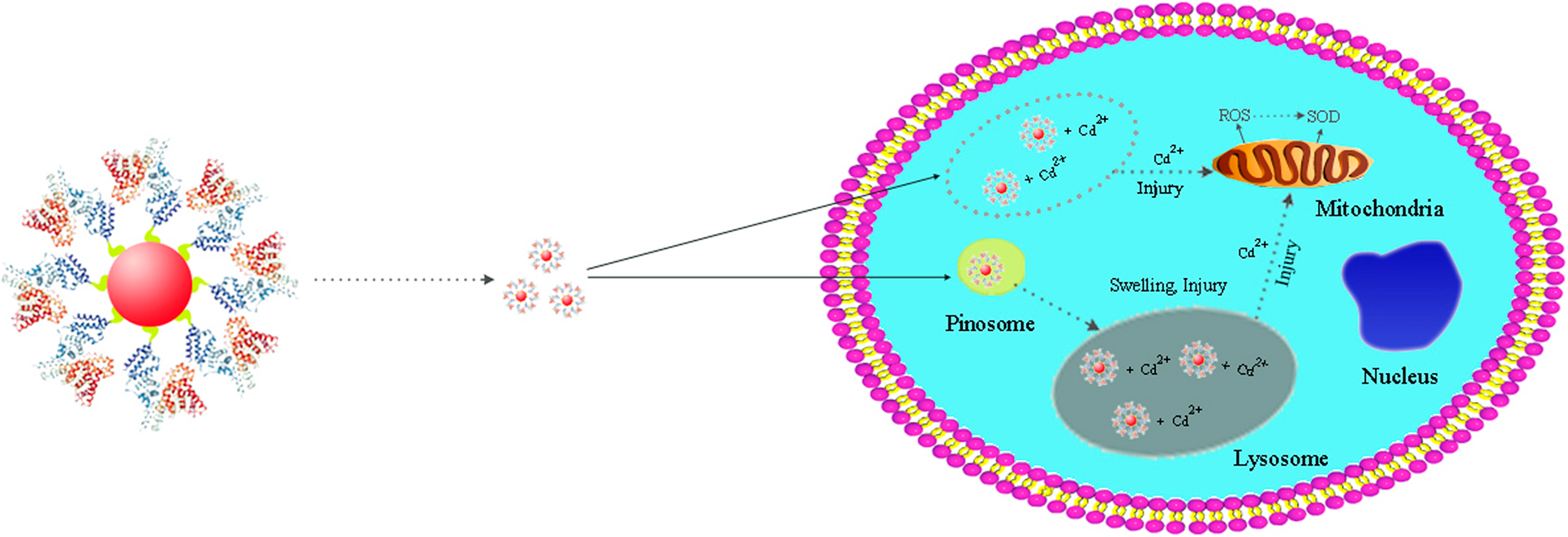
Fluorescent quantum dots (QDs) modified with polyethylene glycol (PEG) and albumin bovine serum (BSA) have profound application in the detection and treatment of hepatocellular carcinoma (HCC) cells. In the present study, the effects and mechanism of PEG and BSA modification on the cytotoxicity of QDs have been explored. It was found that the diameter of the as-prepared QDs, PEG@QDs, BSA@QDs is 3–5 nm, 4–5 nm, and 4–6 nm, respectively. With increase of the treatment time from 0 to 24 h, the HCC cell viability treated with QDs, PEG@QDs, and BSA@QDs obviously decreases, showing a certain time-dependent manner. When the concentration of several nanomaterials is increased from 10 to 90 nM, the cell viability decreases accordingly, exhibiting a certain concentration-dependent manner. Under the same concentration change conditions, the reactive oxygen species contents of cells treated by QDs, PEG@QDs, and BSA@QDs also rise from 7.9 × 10³, 6.7 × 10³, and 4.7 × 10³ to 13.2 × 10³, 14.3 × 10³, and 12.3 × 10³, respectively. In these processes, superoxide dismutase does not play a major role. This study provides strong foundation and useful guidance for QD applications in the diagnosis and treatment of HCC.
As a producer of certified reference materials (CRMs), NIST faces high demand for Standard Reference Materials (SRMs). The demand is exacerbated by widespread misuse of CRMs. When should one use CRMs? When should one not use CRMs? Must labs always use NIST SRMs? How can labs demonstrate analytical capabilities for their accreditation scopes? Why so many questions? Standards developers, laboratory accreditors, and laboratory staff must be able to understand these topics with respect to quality systems in compliance with ISO/IEC 17025. They must calibrate and validate test methods and document traceability to the International System of Units (SI). Many people working in laboratory accreditation and under the umbrella of a quality system do not fully understand what these things are, let alone the language of chemical metrology. On average, they have little training in analytical chemistry, elemental analysis, and reference material development. It is hoped this paper will impress upon the reader the need for understanding how CRMs can be best used in the laboratory. This paper provides a brief background on the above problems and then looks at some of the support and reference information provided by NIST to metals and mining industries labs, commercial CRM producers, and accrediting bodies. The concepts and guidance apply broadly to chemical metrology and fundamental analytical chemistry. The paper includes examples (some from X-ray fluorescence spectrometry) to illustrate concepts.
The present article reports on a comprehensive atomic-scale investigation on S-series precipitates in 2024 aluminum alloy. Cs-corrected high-angle annular dark-field scanning transmission electron microscopy is applied to reveal the fine atomic-scale structure of precipitates at early ageing state. Geometrics phase analysis is used for elucidating the induced strain field from precipitates. The precipitate sequence of S-series precipitates in 2024 Al alloy is identified as follows: super saturated solid solutions (s.s.s.s.) → clusters (GPB zone) → S′ phase → S phase. The interfaces between precipitates acting as precursor of S′ phase are well characterized. One typical characteristic of S-series phase precipitates is the coexistence of clusters and subsequent metastable phases. Transformation of metastable phases is characterized. Corresponding hardness structure relationship is revealed, and S′ phase is considered as the key strengthening structure in S-series precipitates in 2024 Al alloys.
Tungsten (W) alloy is of difficulty in processing for conventional way because of its high melting point. Here, W alloy sample with the addition of 3 wt% Ta was prepared by selective laser melting. The influence of volumetric energy density (VED) on the surface morphology and the relative density was discussed, and microstructure, phase composition, and microhardness were investigated. The results show that a smooth surface and high relative density (95.79%) can be obtained under optimal VED. The W–Ta substitutional solid solution formed because of the replacement of Ta atom. There are strip and block fine grains in the W–3Ta sample with no significant texture. In addition, subgrain structure with a size of around 1 μm formed inside the strip grain, owing to the large thermal gradient and extremely fast cooling rate. Finally, the W–3Ta alloy shows higher microhardness than that obtained by traditional methods.
Particulate matter (PM) specimens from a traffic site were sampled on Teflon filters using a low volume sampler. The sampling campaign ran over a one-year period with sampling frequency of twice a week for both PM2.5 and PM10. X-ray diffraction (XRD) methods, which are not commonly used in PM analysis, have been utilized successfully to identify crystalline phases present, including secondary pollutants. XRD data confirmed results obtained by X-ray fluorescence, positive matrix factorization modeling, and scanning electron microscopy. PM2.5 consisted mainly of secondary sulfates, like Mascagnite [(NH4)2SO4], Koktaite [(NH4)2Ca(SO4)2·H2O], and Gypsum [CaSO4·2H2O]. For PM10, it was found that the major phases are mostly originating from natural sources, such as dust storms and sea salts, in addition to secondary compounds, such as sodium nitrate. The main phases identified were Calcite, Quartz, Gypsum, Halite, and Palygorskite.
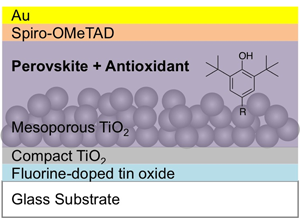
The incorporation of small amounts of phenolic antioxidants, such as 2,6-di-tert-butyl-4-cresol and pentaerythritol tetrakis[3-(3,5-di-tert-butyl-4-hydroxyphenyl)propionate], into photovoltaic organo-lead halide perovskite layers significantly suppressed the degradation of the perovskite compounds via light irradiation in the presence of ambient oxygen. While the facile incorporation of the antioxidants did not decrease both the quality of the formed perovskite crystal grains and the photovoltaic conversion performance of the cells, it enhanced the antioxidizing property and water repellency of the perovskite layer owing to the elimination of superoxide anion radical and hydrophobic molecular structure and improved the durability of the cells.
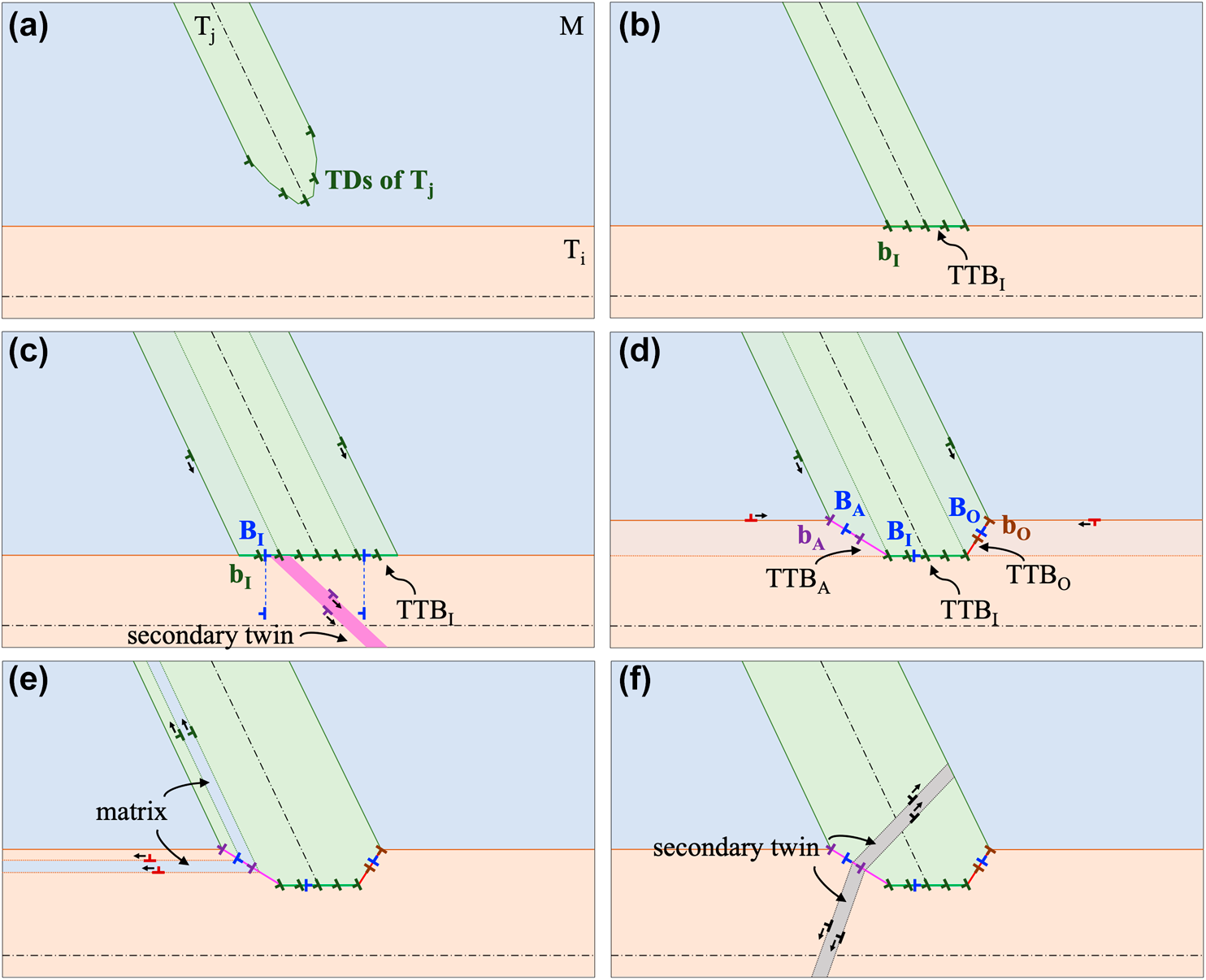
Twin–twin interactions (TTIs) take place when multiple twinning modes and/or twin variants are activated and interact with each other. Twin–twin junctions (TTJs) form and affect subsequent twinning/detwinning and dislocation slip, which is particularly important in determining mechanical behavior of hexagonal metals because twinning is one major deformation mode. Atomic-level study, including crystallographic analysis, transmission electronic microscopy (TEM), and molecular dynamics (MD) simulations, can provide insights into understanding the process of TTIs and structural characters associated with TTJs. Crystallographic analysis enables the classification of TTIs and the prediction of possible interfaces of twin–twin boundaries (TTBs), characters of boundary dislocations, and possible reactions of twinning dislocations and lattice dislocations at TTBs. MD simulations can explore the process of TTIs, microstructures of TTJs, atomic structures of TTBs, and stress fields associated with TTJs. The predictions based on crystallographic analysis and the findings from MD can be partially verified by TEM. More importantly, these results provide explanation for microstructural characters of TTJs and guidance for further TEM characterizations.
The crystal and molecular structure of fenspiride, a bronchodilator and anti-inflammatory drug, are reported. Fenspiride crystallizes in the monoclinic system, with two crystallographically independent molecules in the general position of the space group P21/n (No. 14) and Z = 8. Rietveld refined unit cell parameters are a = 11.52013(8) Å, b = 5.614091(31) Å, c = 44.1567(4) Å, α = 90°, β = 93.0885(6)°, γ = 90°, and V = 2851.69(4) Å3.
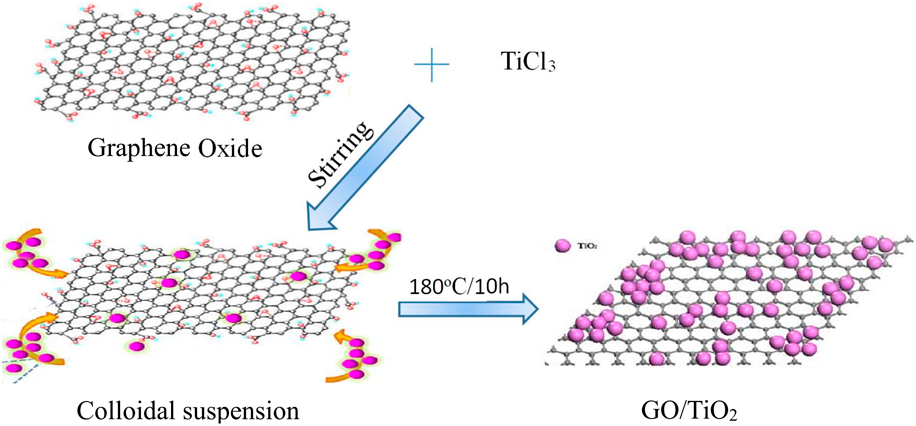
Reduced graphene oxide supported titanium dioxide (GO/TiO2) heterojunction composites as highly active photocatalysts were synthesized via simple ultrasonic mixing and hydrothermal reaction using TiCl3 and GO as precursors. Their structure and morphology were characterized by X-ray diffraction, Fourier transform infrared spectroscopy, Raman spectra, UV-vis spectroscopy, and thermogravimetic analysis. The GO/TiO2 heterojunction composites were used to degrade methyl orange (MO). The adsorption and photocatalytic degradation rate of the prepared GO/TiO2 composites increased by nearly three times compared with that of pristine TiO2 or GO, which reached up 90%, to degrade MO after 4 h, which provides a simple method to obtain photocatalytic materials.
Ab initio calculations are performed to investigate the structural, vibrational, electronic, and piezoelectric properties of functionalized single layers of TaS2. We find that single-layer TaS2 is a suitable host material for functionalization via fluorination and hydrogenation. The one-side fluorinated (FTaS2) and hydrogenated (HTaS2) single layers display indirect gap semiconducting behavior in contrast to bare metallic TaS2. On the other hand, it is shown that as both surfaces of TaS2 are saturated anti-symmetrically, the formed Janus structure is a dynamically stable metallic single layer. In addition, it is revealed that out-of-plane piezoelectricity is created in all anti-symmetric structures. Furthermore, the Janus-type single-layer has the highest specific heat capacity to which longitudinal and transverse acoustical phonon modes have contribution at low temperatures. Our findings indicate that single-layer TaS2 is suitable for functionalization via H and F atoms that the formed, anti-symmetric structures display distinctive electronic, vibrational, and piezoelectric properties.
BaxSr(1−x)TiO3 (BST) thin films were fabricated on a Ti substrate using micro-arc oxidation (MAO) in an aqueous solution with the addition of 0.6 M Ba(OH)2, 0.4 M Sr(OH)2, and 0.05 M EDTA. The morphology, composition, and electrical properties of BST films prepared under different processing times were characterized, and MAO growth characteristics of BST films were discussed. Results indicate that dielectric and ferroelectric properties of BST films are positively correlated with surface morphology dependent on MAO spark patterns. To obtain a smooth and compact film, the large spark stage should be avoided. During MAO processes, elements from the substrate and electrolyte solution migrate in opposite directions under an electric field, resulting in Ba, Sr, Ti, and O elements exhibiting a gradient distribution between the BST film and the Ti substrate. BST film prepared using MAO is composed of two layers: an outer loose layer and an inner dense layer. In addition, because of the position of discharge breakdown continually changing, the interface between the film and the substrate is uneven. As MAO processing time increases, BST film thickness increases and ferroelectric property improves. When processing time is 15 min, the residual polarization intensity (2Pr) of the BST film is about 4.9 μC/cm2.