Refine search
Actions for selected content:
90262 results in Archaeology
Copyright page
-
- Book:
- The Temple of Artemis at Sardis
- Published online:
- 30 May 2025
- Print publication:
- 03 July 2025, pp iv-iv
-
- Chapter
- Export citation
Index
-
- Book:
- The Temple of Artemis at Sardis
- Published online:
- 30 May 2025
- Print publication:
- 03 July 2025, pp 322-324
-
- Chapter
- Export citation
Chapter 2 - Description and Depiction of the Temple by Early Travelers
-
- Book:
- The Temple of Artemis at Sardis
- Published online:
- 30 May 2025
- Print publication:
- 03 July 2025, pp 17-36
-
- Chapter
- Export citation
Chapter 1 - Introduction
-
- Book:
- The Temple of Artemis at Sardis
- Published online:
- 30 May 2025
- Print publication:
- 03 July 2025, pp 1-16
-
- Chapter
- Export citation
Contents
-
- Book:
- The Temple of Artemis at Sardis
- Published online:
- 30 May 2025
- Print publication:
- 03 July 2025, pp vii-xi
-
- Chapter
- Export citation
Frontispiece
-
- Book:
- The Temple of Artemis at Sardis
- Published online:
- 30 May 2025
- Print publication:
- 03 July 2025, pp xii-xii
-
- Chapter
- Export citation
Preface
-
- Book:
- The Temple of Artemis at Sardis
- Published online:
- 30 May 2025
- Print publication:
- 03 July 2025, pp xiii-xvi
-
- Chapter
- Export citation
Chapter 3 - Description of the Building and Archaeology
-
- Book:
- The Temple of Artemis at Sardis
- Published online:
- 30 May 2025
- Print publication:
- 03 July 2025, pp 37-120
-
- Chapter
- Export citation
Plates
-
- Book:
- The Temple of Artemis at Sardis
- Published online:
- 30 May 2025
- Print publication:
- 03 July 2025, pp 293-305
-
- Chapter
- Export citation
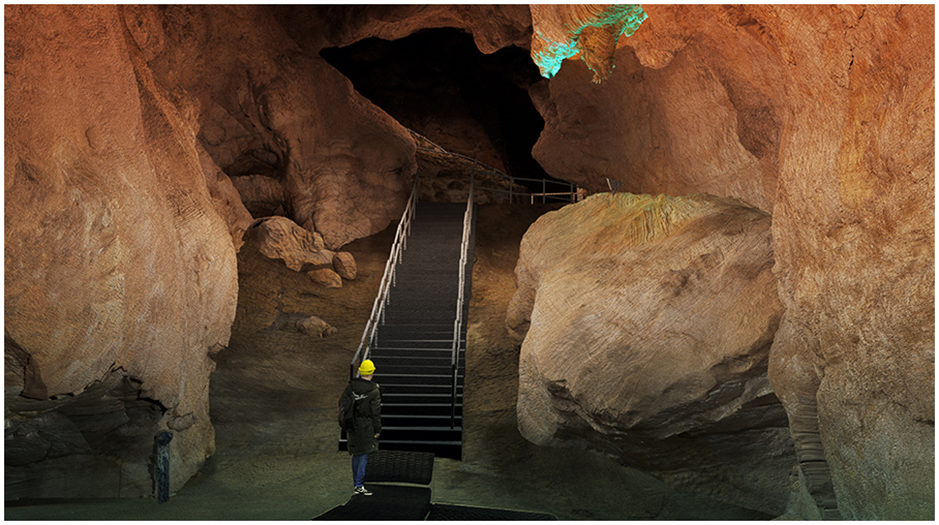
Towards a virtual environment for the Sterkfontein Caves, South Africa: developing a georeferenced and optimised digital dataset
-
- Article
-
- You have access
- Open access
- HTML
- Export citation
New marine reservoir effect corrections for coasts of Mexico
-
- Journal:
- Radiocarbon , First View
- Published online by Cambridge University Press:
- 03 July 2025, pp. 1-8
-
- Article
- Export citation
Chapter 4 - Building History
-
- Book:
- The Temple of Artemis at Sardis
- Published online:
- 30 May 2025
- Print publication:
- 03 July 2025, pp 121-174
-
- Chapter
- Export citation
Chapter 6 - Issues of Design and Planning: Hellenistic and Roman Temples
-
- Book:
- The Temple of Artemis at Sardis
- Published online:
- 30 May 2025
- Print publication:
- 03 July 2025, pp 199-228
-
- Chapter
- Export citation
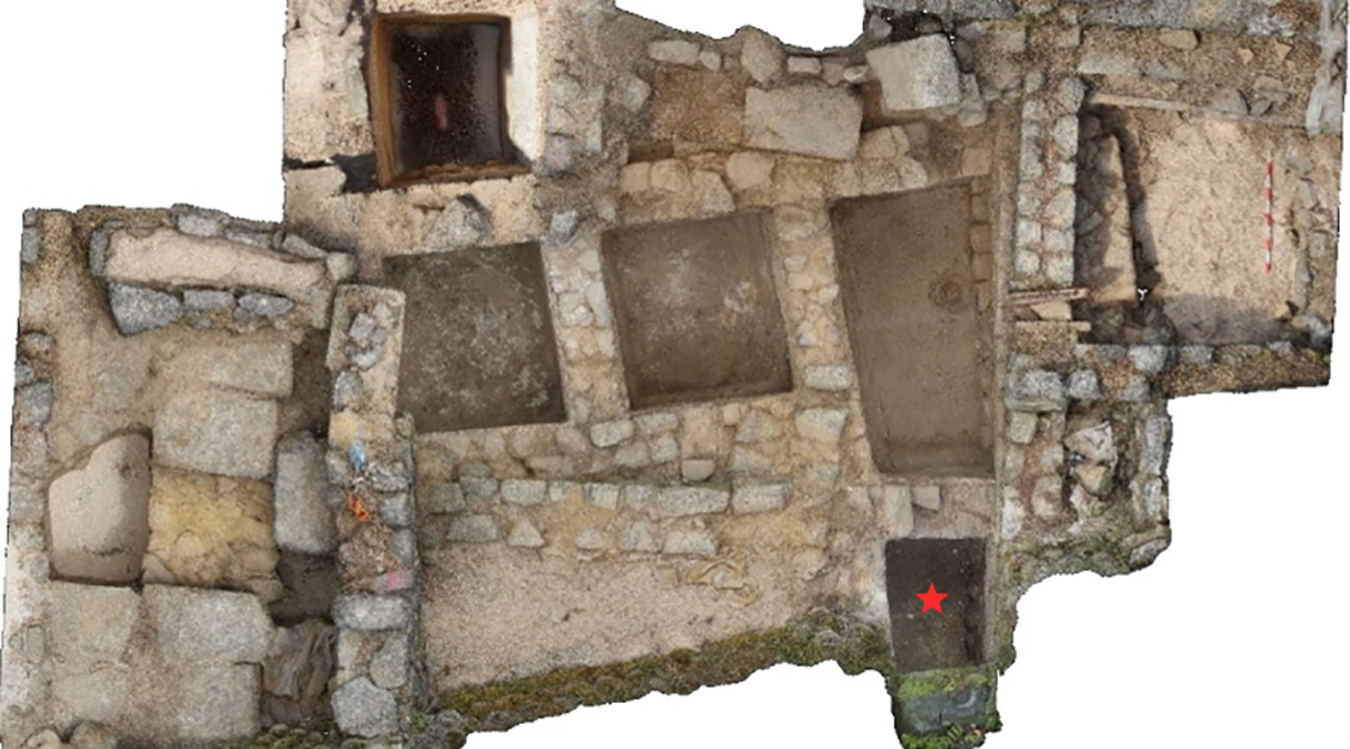
Roman Atlantic garum: DNA confirms sardine use and population continuity in north-western Iberia
-
- Article
-
- You have access
- Open access
- HTML
- Export citation
Living Archaeological Sites: Documenting and Uplifting 2,700 Years of Cultural-Ecological Heritage in Sts’ailes Territory, SW British Columbia
-
- Journal:
- American Antiquity / Volume 90 / Issue 3 / July 2025
- Published online by Cambridge University Press:
- 09 September 2025, pp. 487-507
- Print publication:
- July 2025
-
- Article
-
- You have access
- Open access
- HTML
- Export citation
Connecting Communities in Archaic Greece: Exploring Economic and Political Networks through Data Modelling. Michael Loy. 2023. Cambridge University Press, New York. xvii + 331 pp. $130.00 (hardcover), ISBN 978-1-009-34381-7. $32.99 (paperback), ISBN 978-1-009-34383-1. $32.99 (e-book), ISBN 978-1-009-34379-4.
-
- Journal:
- American Antiquity / Volume 90 / Issue 3 / July 2025
- Published online by Cambridge University Press:
- 09 September 2025, pp. 613-614
- Print publication:
- July 2025
-
- Article
- Export citation
Does Size Matter? What the Projectile Points from Oregon’s Mill Creek Archaeological Complex Tell Us
-
- Journal:
- American Antiquity / Volume 90 / Issue 3 / July 2025
- Published online by Cambridge University Press:
- 09 September 2025, pp. 573-591
- Print publication:
- July 2025
-
- Article
- Export citation
Confronting Archaeology’s “Gray Zones”
-
- Journal:
- American Antiquity / Volume 90 / Issue 3 / July 2025
- Published online by Cambridge University Press:
- 09 September 2025, pp. 555-572
- Print publication:
- July 2025
-
- Article
-
- You have access
- Open access
- HTML
- Export citation
AAQ volume 90 issue 3 Cover and Front matter
-
- Journal:
- American Antiquity / Volume 90 / Issue 3 / July 2025
- Published online by Cambridge University Press:
- 09 September 2025, pp. f1-f4
- Print publication:
- July 2025
-
- Article
-
- You have access
- Export citation
Oil, Wine, and the Cultural Economy of Ancient Greece: From the Bronze Age to the Archaic Era. Catherine E. Pratt. 2021. Cambridge University Press, Cambridge. xiv + 409 pp. $103.00 (hardcover), ISBN 978-1-108-83564-0. $103.00 (e-book), ISBN 978-1-10888-078-7.
-
- Journal:
- American Antiquity / Volume 90 / Issue 3 / July 2025
- Published online by Cambridge University Press:
- 21 July 2025, pp. 611-612
- Print publication:
- July 2025
-
- Article
- Export citation
