To save content items to your account,
please confirm that you agree to abide by our usage policies.
If this is the first time you use this feature, you will be asked to authorise Cambridge Core to connect with your account.
Find out more about saving content to .
To save content items to your Kindle, first ensure no-reply@cambridge.org
is added to your Approved Personal Document E-mail List under your Personal Document Settings
on the Manage Your Content and Devices page of your Amazon account. Then enter the ‘name’ part
of your Kindle email address below.
Find out more about saving to your Kindle.
Note you can select to save to either the @free.kindle.com or @kindle.com variations.
‘@free.kindle.com’ emails are free but can only be saved to your device when it is connected to wi-fi.
‘@kindle.com’ emails can be delivered even when you are not connected to wi-fi, but note that service fees apply.
Understanding contemporary global politics by connecting them to the meditations of a classical Greek philosopher may seem farfetched and counterintuitive. But for political theorists, policymakers, the new influencers, journalists and engaged students, Thucydides' ancient wisdom provides insights into diagnosing and even undermining an endemic of political fear spreading across the world's borders. With his help, this book probes six case studies of aspiring great powers and the brittle identities that they may have unwittingly constructed. Raymond Taras questions the motives of the manipulators of fear whether found in in authoritarian states or increasingly in backsliding liberal democratic ones. The urgency of returning to and respecting tolerance in states establishing relations with arriving refugees and migrants takes on critical importance.
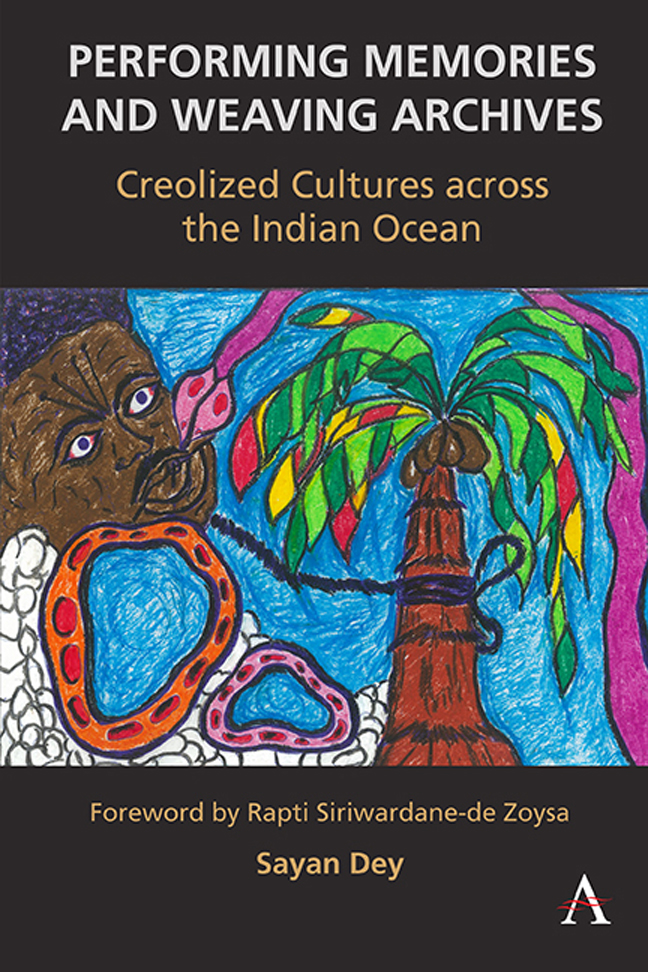
This book engages with how the Siddis in Gujarat and the South African Indians in South Africa perform different forms of creolized socio-cultural practices in the contemporary era. Since the precolonial times, India and South Africa have developed commercial relations through sharing clothing materials, minerals, precious stones, and spices. Besides exchanging physical objects, varieties of cultures, traditions, and rituals were also exchanged between these countries. With the emergence of colonization in both these countries as Africans were brought to India as slaves and Indians were taken to South Africa as indentured laborers, a lot of objects like musical instruments, plant seeds, cooking utensils, and hand-woven clothes were carried across the Indian Ocean as cultural memories. With the passage of time, the cultural practices of the Indian Diaspora and African Diaspora got intermixed with the native local cultures of South Africa and India, respectively, and gave birth to porous, fluid, multi-rooted, and creolized cultural practices. This book brings forth some of the creolized culinary, spiritual, and musical practices of these communities, and how these performances can expand the archives of creolized cultural practices of Diaspora communities in the Indian Ocean World.
This book analyzes particular patterns of nationalist self-configuration and nationalist uses of memory, counter-memory, and historical amnesia in Ireland from roughly around the time of the emergence of a broad-based non-sectarian Irish nationalist platform in the late eighteenth century (the Society of United Irishmen) until Ireland's partition and the founding of the Irish Free State in 1922. In approaching Irish nationalism through the particular historical lens of 'Iran,' this book underscores the fact that Irish nationalism during this period (and even earlier) always utilized a historical paradigm that grounded Anglo-Irish encounters and Irish nationalism in the broader world history, a process that I term 'worlding of Ireland.' In effect, Irish nationalism was always politically and culturally cosmopolitan in outlook in some formulations, even in the case of many nationalists who resorted to insular and narrowly defined exclusionary ethnic and/or religious formulations of the Irish 'nation.' Irish nationalists, as nationalists in many other parts of the world, recurrently imagined their own history either in contrast to or as reflected in, the histories of peoples and lands elsewhere, even while claiming the historical uniqueness of the Irish experience. Present in a wide range of Irish nationalist political, cultural, and historical utterances were assertions of past and/or present affinities with other peoples and lands.
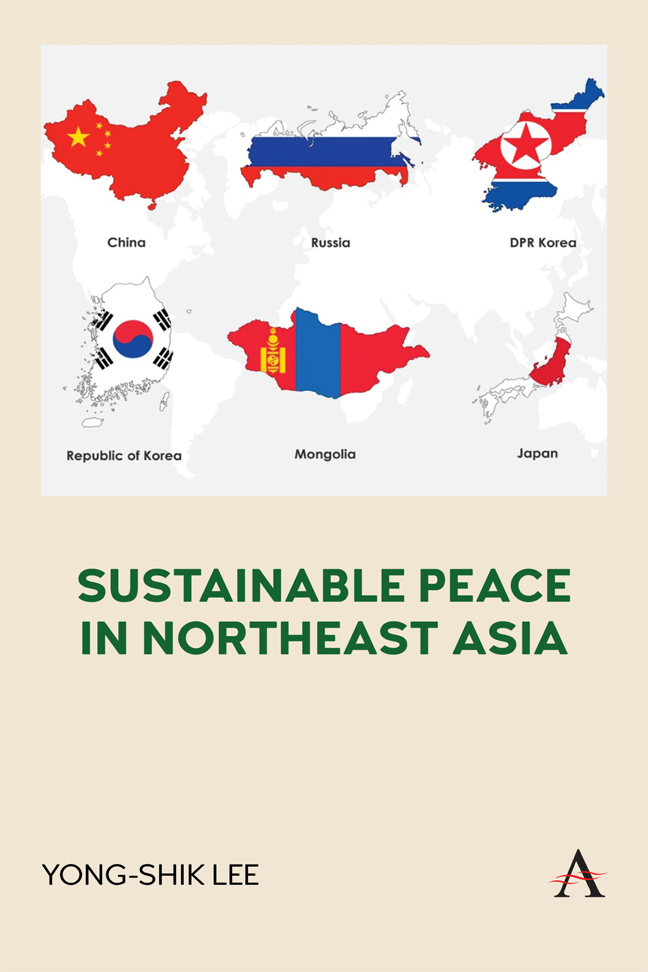
Sustainable Peace in Northeast Asia examines the causes of lasting and complex tensions in the region from underlying political, historical, military and economic perspectives; discusses their historical development and political-economic implications for the world; and explores possible solutions to build lasting peace. The book is unique in that it approaches the topic from the historical perspective of each constituent country in the region. Major global powers such as the United States and Russia have also closely engaged in the political and economic affairs of this region through a network of alliances, diplomacy, trade and investment. The book also discusses the influence of these external powers over the crisis, their political and economic objectives in the region, their strategies and the dynamics that their engagement has created. Both South Korea and North Korea have sought reunification of the Korean peninsula, which will have a substantial impact on the region. The book examines its justification, feasibility and effects for the region. The book discusses the role of Mongolia in the context of the power dynamics in Northeast Asia. A relatively small country, in terms of its population, Mongolia has rarely been examined in this context; Sustainable Peace in Northeast Asia makes a fresh assessment of its potential role.
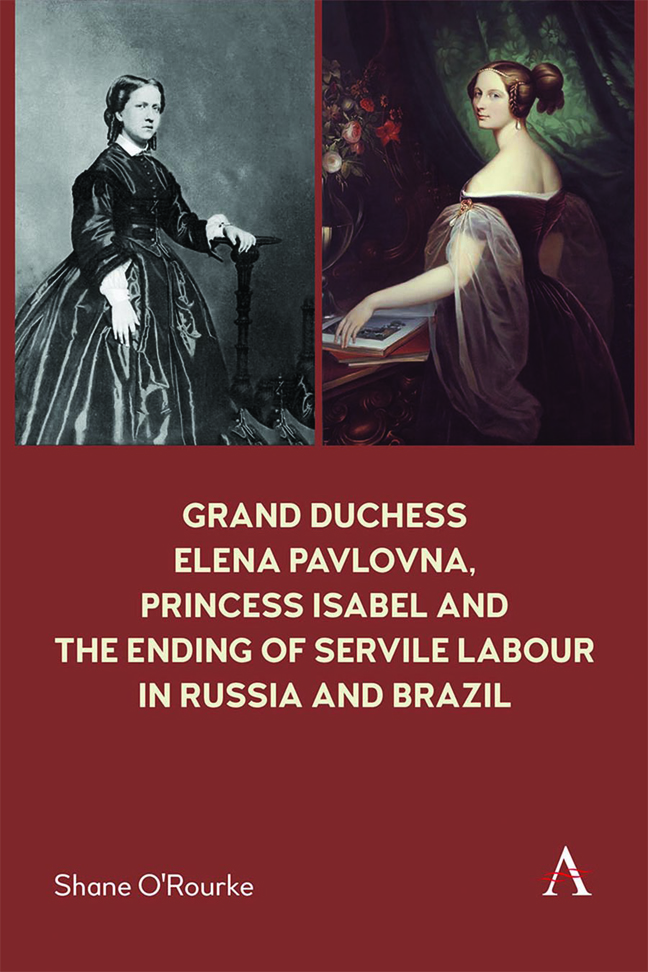
Grand Duchess Elena Pavlovna of Russia and Princess Isabel of Brazil were active participants in the struggle to end servile labor in their respective countries. They acted in defiance of political conventions which excluded women from any political activity. Both women were determined to do all in their power to further the cause of emancipation and to determine the terms under which serfs and slaves were emancipated. This book examines the political activities of the two royal women within the context of their respective societies and adopts a comparative approach.
According to Vālmīki's Sanskrit Rāmāyaṇa (early centuries CE), Śambūka was practicing severe acts of austerity to enter heaven. In engaging in these acts as a Śūdra, Śambūka was in violation of class- and caste-based societal norms prescribed exclusively by the ruling and religious elite. Rāma, the hero of the Rāmāyaṇa epic, is dispatched to kill Śambūka, whose transgression is said to be the cause of a young Brahmin's death. The gods rejoice upon the Śūdra's death and restore the life of the Brahmin. Subsequent Rāmāyaṇa poets almost instantly recognized this incident as a blemish on Rāma's character and they began problematizing this earliest version of the story. They adjusted and updated the story to suit the expectations of their audiences. The works surveyed in this study include numerous works originating in Hindu, Jain, Dalit and non-Brahmin communities while spanning the period from Śambūka's first appearance in the Vālmīki Rāmāyaṇa through to the present day. The book follows the Śambūka episode chronologically across its entire history - approximately two millennia - to illuminate the social, religious, legal, and artistic connections that span the entire range of the Rāmāyaṇa's influence and its place throughout various phases of Indian history and social revolution.
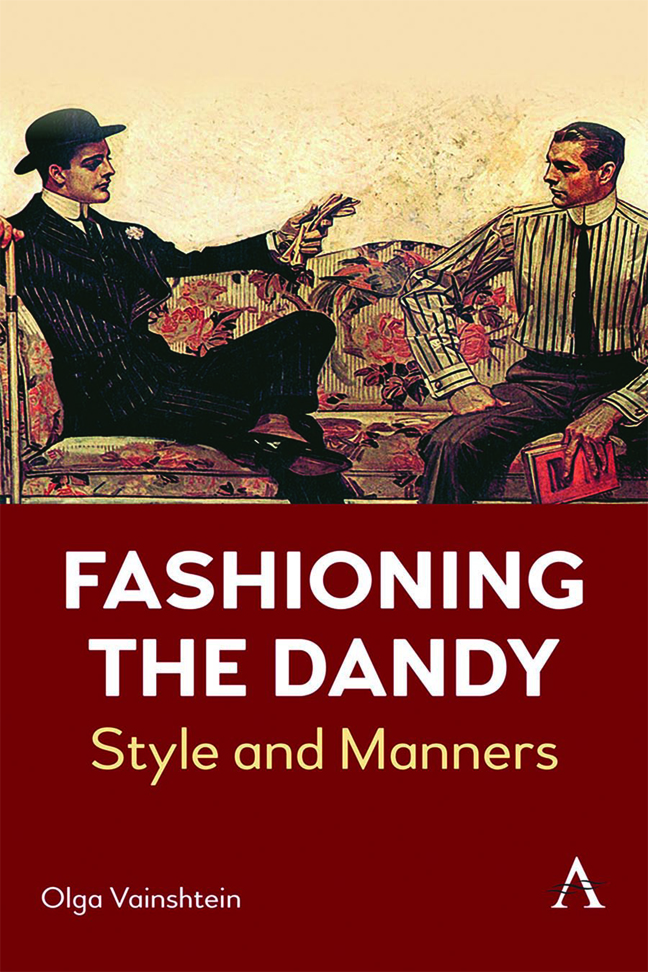
The book explores the dandy as a cultural type across Europe and Russia from the eighteenth century through the present day. Olga Vainshtein offers a unique view on dandyism as a cultural tradition, based not merely on fashionable attire, but also as a particular lifestyle with specific standards of behaviour, bodily practices and conceptual approaches to dress. The dandy is described as the prototypical hero of the modern cult of celebrities. From clubbing manners, the techniques of virtual aristocratism, urban flâneurs and the correct way to examine people, Vainshtein walks us through optical duels and the techniques of visual assessment at social gatherings. Readers will learn about strategies of subversive behaviour found in practical jokes, the fine art of noble scandal, dry wit, bare-faced impudence and mocking politeness. Looking at dandyism as a nineteenth-century literary movement, Vainshtein examines representation of dandies in fiction. Finally, a large section is devoted to Russian and Soviet dandyism and the dandies of today.
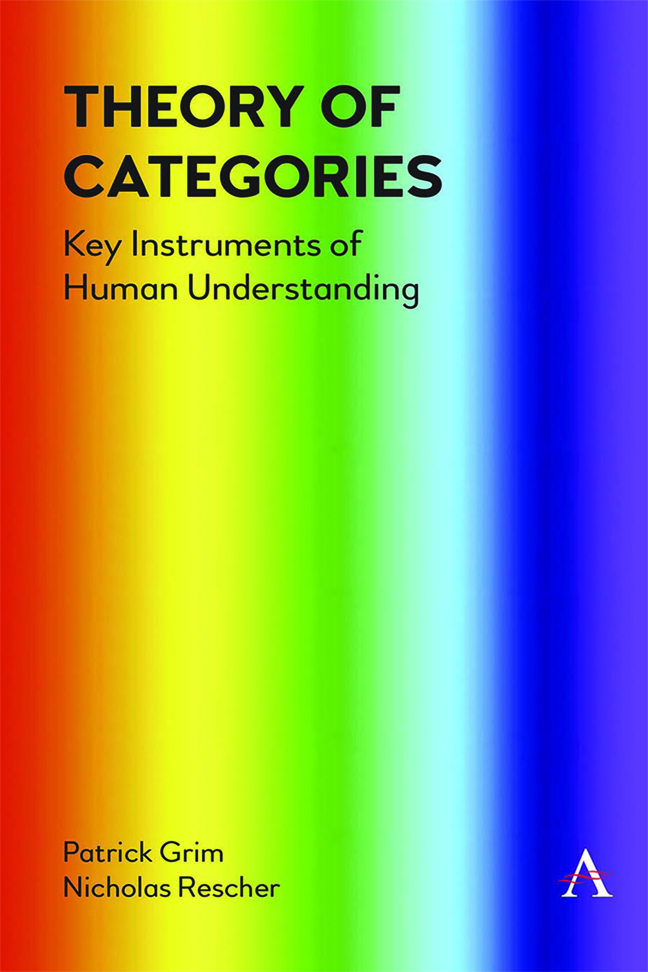
Categorization is an essential and unavoidable instrumentality for conceptually navigating a world-indeed for being able to conceptualize a world to be navigated. Classification is a pivotal instrument for scientific systemization, featured as a basis for the philosophical understanding of reality since Aristotle, but classificatory concepts of sorts, types and natural kinds inevitably pervade our understanding of ourselves and our position in the social as well as the natural world at all levels. The authors argue that the character, purpose-, context-, and culture-relativity of categories and categorization have been widely misunderstood - that standard philosophical views are substantially correct in some respects but markedly mistaken in others. The book offers a comprehensive survey of basic principles of classification and categorization, a survey of relevant empirical work, and a multitude of illustrative examples accompanied by instructive analysis of ways and means. The work traces wide-ranging implications of the current approach for philosophical problematic and paradox in philosophy of mind, epistemology and metaphysics, philosophy of science, social philosophy and ethics.
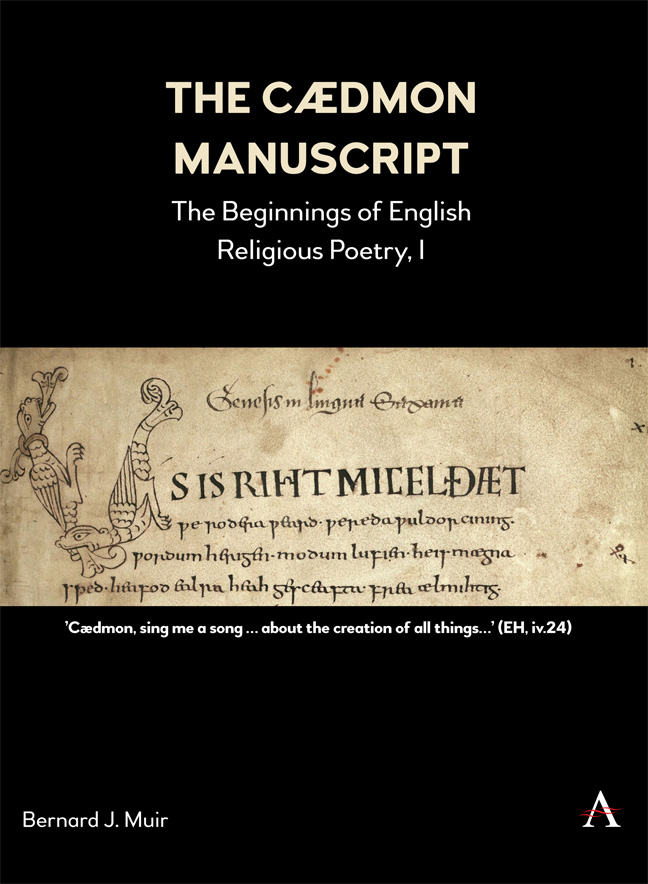
The Cædmon Manuscript is one of three extant anthologies of English Christian poetry produced in England before 1000 CE. It is a collection of four religious poems in Old English based on Biblical materials. They have the editorial names Genesis, Exodus, Daniel and Christ and Satan. This edition consists of an Introduction, Bibliography, Codicological and Paleographical Analysis, an Art-Historical Commentary and an edition of the four poems.
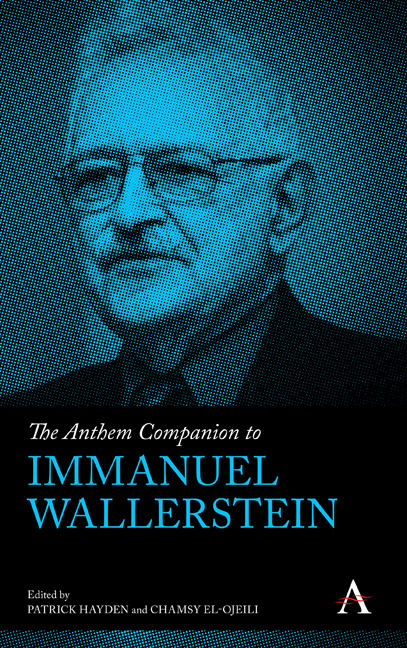
Immanuel Wallerstein, one of the most influential yet controversial sociologists of the past half-century, is a touchstone in innumerable debates about globalization and the power of capitalism, the nature of development in the modern era, and how to come to grips with widespread inequalities while recovering the potential for social change. The Anthem Companion to Immanuel Wallerstein offers a compelling guide to his writings and ideas, his influences and reception, and the reasons for his enduring significance, with 10 original interpretive essays written by a distinguished group of international scholars. Importantly, the contributors also advance Wallerstein's work into neglected areas such as climate change, global pandemics, racism, and gender and demonstrate his importance, not just to debates in his intellectual context, but to those of our times as well. This companion provides a multifaceted tool for thinking with Wallerstein, while showing where those engaging with Wallerstein's thought can take his work in the contemporary world.
Virtuous institutions, such as human rights ones, have been neglected by securitization theory's focus on the national state apparatus as the key driver of security politics. This book challenges this assumption, showing the ways institutional human rights, deemed the most progressive of rights, have been complicit in rendering the body vulnerable. While the book principally focuses on the treatment of the veiled woman, it also considers wider cases involving torture: the ultimate removal of control over one's body and biggest transgression of human rights' supposed foundational commitment to bodily integrity.
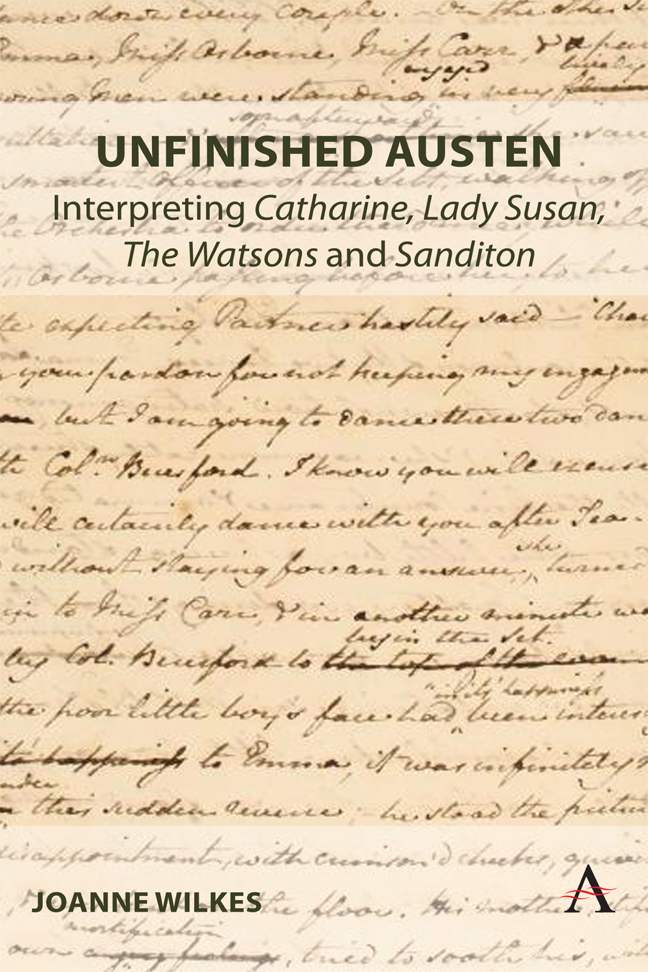
Unfinished Austen examines four texts that Jane Austen left incomplete: Catharine, or The Bower (1792-3), Lady Susan (1795?), The Watsons (1803-4?) and Sanditon (1817), none of them published till well after her death. Since very little in manuscript form survives from the six famous novels, these four manuscript texts offer insight into the novelist in the process of creation. They also problematize the romance plot prominent in the published novels by presenting this in a nebulous or incipient state that underlines its artificiality.
These texts sometimes show how the romance plot is inflected by the financial condition in which young marriageable women can find themselves. Moreover, the stories (other than Catharine) have aroused the interest of many later writers-including writers for theatre and screen-who are eager to complete or to amplify them. They may do this through developing the stories to some kind of dénouement. Perhaps more intriguingly, however, these texts induce some writers to question the very enterprise of concluding an unfinished text.
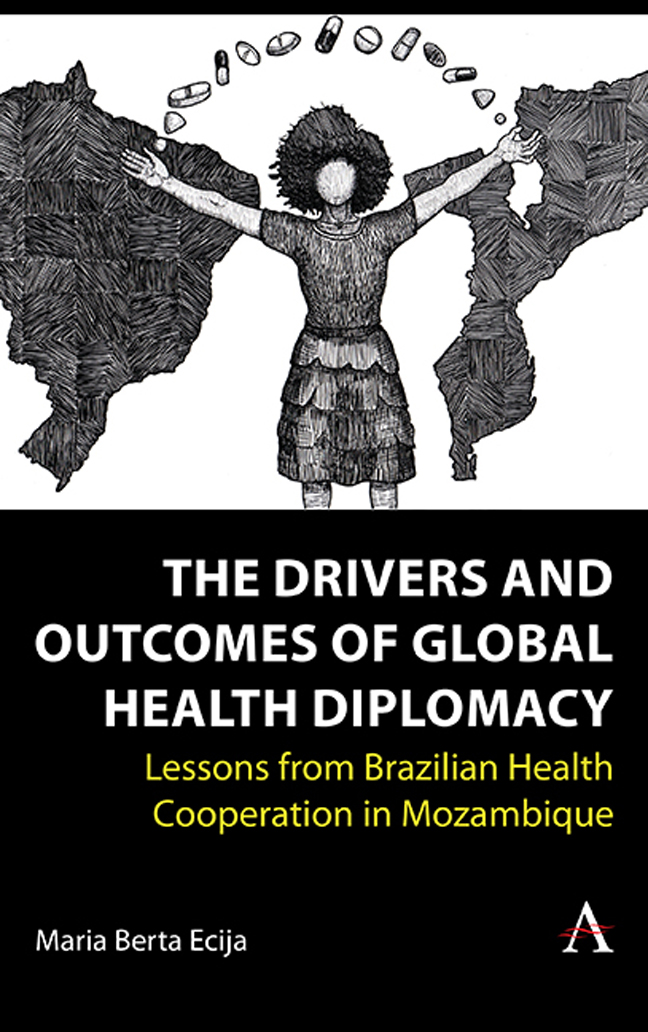
This book investigates the Brazilian health cooperation in Mozambique looking at the interests of both actors and different power relations within this initiative. It counts with a case study looking at the implementation of SociedadeMocambicana de Medicamentos - a pharmaceutical factory that was implemented in Maputo as a result of the cooperation between the countries.
The Theory and Practice of Creative Coaching has been long in development and is not meant as an end-view of creativity in this field. It is, however, a stimulating collection of ideas (with detailed views from both practice and education) that seeks to provide stimulus to trainee coaches as well as those whose practice is well-established. With topics as wide-ranging as walking to line-drawing this book seeks to change the practice of practitioners, new and old, and helps to articulate the ways in which David Clutterbuck has called for a move from the use of models towards mastery by embracing new ways of working with the clients of coaching. With a wide-ranging scope, examples, ideas and a strong link to academic understanding, this book will provide a stimulus to the coaches, supervisors and educationalists to open their eyes to alternative ways of practicing their craft.
American novelist Edith Wharton (1862-1937) is best known today for her tales of the city and the experiences of patrician New Yorkers in the 'Gilded Age'. This book pushes against the grain of critical orthodoxy by prioritizing other 'species of spaces' in Wharton's work. For example, how do Wharton's narratives represent the organic profusion of external nature? Does the current scholarly fascination with the environmental humanities reveal previously unexamined or overlooked facets of Wharton's craft? I propose that what is most striking about her narrative practice is how she utilizes, adapts, and translates pastoral tropes, conventions, and concerns to twentieth-century American actualities. It is no accident that Wharton portrays characters returning to, or exploring, various natural localities, such as private gardens, public parks, chic mountain resorts, monumental ruins, or country-estate 'follies'. Such encounters and adventures prompt us to imagine new relationships with various geographies and the lifeforms that can be found there. The book addresses a knowledge gap in Wharton and the environmental humanities, especially recent debates in ecocriticism. The excavation of Wharton's words and the background of her narratives with an eye to offering an ecocritical reading of her work is what the book focuses on.
Aphra Behn (1640-1689), a prolific and popular playwright, poet, novelist, and translator, has an extensive corpus of literature that plays a key role in literary history as the work of a female author. Based upon word counts, Quantitative Literary Analysis of the Works of Aphra Behn chronicles Behn's obsession with the mystery and power of love and early modern passions through her entire oeuvre. Love, for Behn, is an external power, sometimes figured as the boy god Cupid or an abstraction, that enters the body with pain and pleasure and leaves the victim searching for understanding. The book follows two threads of argument: one using quantitative measures to indicate passages for significant close reading of preferred language and the other focused upon her use of small words like thou, sir, or said. Situating her writings in the conflicts of Early Modern discourses on the passions, the book demonstrates that Behn's language reveals generic patterns for representing love that include a warning about its potential to destroy the body and condemn the soul. Taken as a whole, Behn's literary production is an extraordinary examination of the early modern concept of love at a moment of change in the language and meaning of the passions.
Films fill our imagination with figures, figurines, and talismans. They ceaselessly rework the same archetypes and invent troubling prototypes - especially when they establish a deeper relationship to reality. How do we understand these presences that are both so characteristic and so diverse in cinema? How does film deal with bodies, movements, and gestures? Why are we so drawn to these shadows, silhouettes, and hypothetical beings? What organizes the figurative values at work in a film? How do cinematic creatures circulate from film to film and image to image? How does film articulate the links between the abstract and figurative? Is it possible to write a history of figurative forms? Starting from films themselves and works that are both classical (Sergei Eisenstein, Roberto Rossellini, Orson Welles) and contemporary (Abel Ferrara, Brian DePalma, Patricia Mazuy), celebrated (Robert Bresson, John Cassavetes, Ken Jacobs, Paul Sharits) and overlooked (Al Razutis, Jean Genet, Monte Hellman, and John Travolta), from auteurs as well as aesthetic questions (representations of dance, the naked body, character development), the essays in this volume, most available for the first in English, aim to open a field that has been neglected by analysis, while also suggesting the tools necessary to understanding figurative phenomena specific to cinema.
World leaders have made a forceful statement that climate change is the greatest challenge facing humanity in the twenty-first century. However, little progress has been made in implementing policies to address climate change. In Climate Uncertainty and Risk, eminent climate scientist Judith Curry shows how we can break this gridlock. This book helps us rethink the climate change problem, the risks we are facing and how we can respond to these challenges. Understanding the deep uncertainty surrounding the climate change problem helps us to better assess the risks. This book shows how uncertainty and disagreement can be part of the decision-making process. It provides a road map for formulating pragmatic solutions. Climate Uncertainty and Risk is essential reading for those concerned about the environment, professionals dealing with climate change and our national leaders.
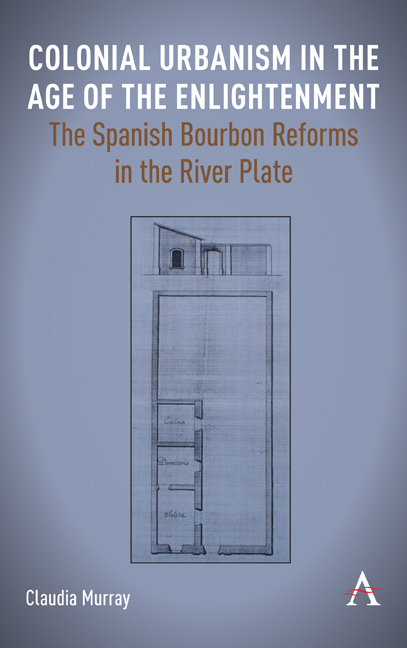
This book tells the story of how the monarchy aimed at creating a new capital city in a remote and forgotten area of the empire. It also shows how the local Creole bourgeoisie rapidly assumed the role of urban developers, and enhanced their economic status by investing in and controlling the Buenos Aires' property market. In a short period, from 1776 to 1810, the urban transformation of Buenos Aires helped increase the Crown's revenues and considerably reduced contraband trade. Nevertheless, urban changes generated an internal struggle for power for the control of the city between the Spanish loyalist and the local wealthier Creoles. As this book concludes, for an empire such as the Spanish, which was built upon a network of cities, the Crown's loss of the control of Buenos Aires' urban space was a serious threat to its power that foreshadowed Argentina's wars of independence.
Transforming the Politics of Mobility and Migration in Aotearoa New Zealand is a future-focused edited collection that formulates alternative paradigms that can lead to a more just and ethical politics of mobility and migration in Aotearoa New Zealand. Examining a variety of topics, the book addresses the challenges of structural discrimination, integration and migrant rights framed within larger regional and global concerns. Collectively, the contributors advance perspectives on social justice and migrant rights, specifically addressing issues of ethics, collective well-being and solidarities.
The collection brings together leading and early career scholars paired with practitioners in the migrations sector. Developing conceptual knowledge in migration studies, it fills a gap in the sparse literature on the politics of migration in Aotearoa New Zealand. While theoretically engaged and of value to the research community, the book also follows recent calls to better communicate the complexities of migration to policy makers, with accessible chapters that address a range of issues faced by migrants and speak to a wide audience.