To save content items to your account,
please confirm that you agree to abide by our usage policies.
If this is the first time you use this feature, you will be asked to authorise Cambridge Core to connect with your account.
Find out more about saving content to .
To save content items to your Kindle, first ensure no-reply@cambridge.org
is added to your Approved Personal Document E-mail List under your Personal Document Settings
on the Manage Your Content and Devices page of your Amazon account. Then enter the ‘name’ part
of your Kindle email address below.
Find out more about saving to your Kindle.
Note you can select to save to either the @free.kindle.com or @kindle.com variations.
‘@free.kindle.com’ emails are free but can only be saved to your device when it is connected to wi-fi.
‘@kindle.com’ emails can be delivered even when you are not connected to wi-fi, but note that service fees apply.
Substantial changes resulting from the interaction of environmental and dietary factors contribute to an increased risk of obesity, while their specific associations with obesity remain unclear. We identified inflammation-related dietary patterns (DP) and explored their associations with obesity among urbanised Tibetan adults under significant environmental and dietary changes. Totally, 1826 subjects from the suburbs of Golmud City were enrolled in an open cohort study, of which 514 were followed up. Height, weight and waist circumference were used to define overweight and obesity. DP were derived using reduced rank regression with forty-one food groups as predictors and high-sensitivity C-reactive protein and prognostic nutritional index as inflammatory response variables. Altitude was classified as high or ultra-high. Two DP were extracted. DP-1 was characterised by having high consumptions of sugar-sweetened beverages, savoury snacks, and poultry and a low intake of tsamba. DP-2 had high intakes of poultry, pork, animal offal, and fruits and a low intake of butter tea. Participants in the highest tertiles (T3) of DP had increased risks of overweight and obesity (DP-1: OR = 1·37, 95 % CI 1·07, 1·77; DP-2: OR = 1·48, 95 % CI 1·18, 1·85) than those in the lowest tertiles (T1). Participants in T3 of DP-2 had an increased risk of central obesity (OR = 2·25, 95 % CI 1·49, 3·39) than those in T1. The positive association of DP-1 with overweight and obesity was only significant at high altitudes, while no similar effect was observed for DP-2. Inflammation-related DP were associated with increased risks of overweight and/or obesity.
Food insecurity (also known as food poverty) is the inability to afford or access a healthy diet. It has become recognised as a public health emergency and is a priority in the context of the environmental, geopolitical and socio-economic implications on businesses, households and civic society. This review paper aims to discuss the merits of collecting food insecurity data and its importance in informing cross-sectoral government and others’ understanding, policymaking and action on hunger. The review paper’s key findings are that concerted action on measuring and mapping food insecurity with the aim of eliminating or reducing its prevalence represents a triple win for government, business and citizens. However, measurement does not provide solutions to food insecurity but contributes importantly to understanding its extent and severity to inform and evaluate proffered solutions. Government, business and food insecurity researchers and commentators cannot merely continue to simply describe food poverty - but must effect meaningful change amidst our communities to improve life quality in a timely way for those experiencing acute and chronic hunger. This is best done by addressing the structural causes of food insecurity through economically, socially and culturally fair and appropriate policy levers, requiring cross-sectoral collaboration. Ultimately, food insecurity requires a long-term, sustainable solution that addresses the policy issues under focus: low income, under/unemployment, rising food prices and Welfare Reform, informed by routine, Government-supported monitoring and reporting of the extent of food poverty among our citizens.
Lifestyle has been associated with in vitro fertilisation (IVF) success rates, but studies on diet and IVF outcomes are inconclusive. We studied associations between adherence to the Dutch guidelines for a Healthy diet 2015 and pregnancy chances among women receiving modified natural cycle in vitro fertilisation (MNC-IVF). This prospective cohort study utilised data from 109 women undergoing MNC-IVF between 2014 and 2018 at University Medical Centre Groningen enrolled in a study examining associations between metabolic profile of follicular fluid and oocyte quality. Adherence to dietary guidelines was assessed by daily food records quantified based on the Dutch Healthy Diet (DHD) 2015 Index. IVF outcomes (i.e. positive pregnancy test, ongoing pregnancy, and live birth) were obtained from patient records. Statistical analyses involved Cox proportional hazard regression analyses while adjusting for maternal covariates age, smoking, and Body Mass Index (BMI), and stratified for treatment, age, BMI, and energy intake. Women were 31.5 ± 3.3 years old, and had a BMI of 23.5 ± 3.5 kg/m2. Higher DHD2015 adherence was linked to a reduced probability of achieving an ongoing pregnancy (HR = 0.77, 95%CI: 0.62–0.96), live birth (HR = 0.78, 95%CI: 0.62–0.98), and showed a non-significant trend towards a lower probability of a positive pregnancy test (HR = 0.85, 95%CI: 0.71–1.01). Associations were particularly present among women undergoing MNC-ICSI (n = 87, p-for-interaction = 0.06), with shorter duration of infertility (n = 44, p-for-interaction=0.06), being overweight (n = 31, p-for interaction = 0.11), and having higher energy intakes (n = 55, p-for-interaction = 0.14). This explorative study suggests inverse trends between DHD2015 adherence and MNC-IVF outcomes, encouraging well-powered stratified analyses in larger studies to further explore these unexpected findings.
This cross-sectional study aimed to identify patterns of food preparation and examine their demographic and socio-economic drivers, along with impacts on health and nutritional status, physical activity, and diet quality. Dietary data from a national-representative sample (n = 5005, 3–84 years) of the Portuguese National Food, Nutrition, and Physical Activity Survey (IAN-AF 2015/16) were classified by preparation locations (at or away from home) and analysed via hierarchical clustering. Logistic regression models were used to examine associations between demographic and socio-economic factors and food preparation patterns and between these patterns and health and nutritional status, physical activity, and diet quality. The most common food preparation pattern (followed by 45.4% of participants) represented the highest intake of foods prepared by away-from-home establishments. Adolescents (vs. children, OR = 0.29, 95%CI = 0.17, 0.49) and older adults (vs. adults, OR = 0.37, 95%CI = 0.26, 0.53) had lower odds of following this pattern, whereas adult men (vs. women, OR = 4.20, 95%CI = 3.17, 5.57) had higher odds. Higher education, higher household income, and having children/adolescents in the household also increased the odds of eating foods prepared away from home, whereas living in rural areas or in food-insecure households decreased the odds. Noticeably, adults consuming more foods prepared away from home had lower odds of being overweight or obese (OR = 0.74, 95%CI = 0.56, 0.97), but higher odds of sedentarism (OR = 1.45, 95%CI = 1.08, 1.96) and poor diet (OR = 3.01, 95%CI = 2.08, 4.34) compared to those consuming more foods prepared at home by themselves. Dietary patterns marked by high away-from-home food preparation prevail. While these correlated with higher socio-economic status, sedentarism, and poorer diet — relatively to patterns with greater reliance on homecooked food — they were not linked to higher odds of obesity.
To investigate the relationship between US containment measures during the COVID-19 pandemic and household food insecurity.
Design:
To investigate these relationships, we developed a framework linking COVID-19-related containment policies with different domains of food security and then used multilevel random effects models to examine associations between state-level containment policies and household food security. Our framework depicts theorised linkages between stringency policies and five domains of food security (availability, physical access, economic access, acceptability in meeting preferences and agency, which includes both self-efficacy and infrastructure). We used US national data from a representative survey data from the National Food Access and COVID research Team that was fielded in July–August 2020 and April 2021. Containment policy measures came from the Oxford Stringency Index and included policies such as stay-at-home orders, closing of public transit and workplace closures.
Setting:
The USA.
Participants:
3071 adult individuals from the National Food Access and COVID research Team survey.
Results:
We found no significant associations between state-level containment policies and overall food insecurity at the state level or any of the individual domains of food insecurity.
Conclusions:
This research suggests that while food insecurity across all domains was a significant problem during the studied phases of the pandemic, it was not associated with these containment measures. Therefore, impacts may have been successfully mitigated, likely through a suite of policies aimed at maintaining food security, including the declaration of food workers as essential and the expansion of federal nutrition programmes.
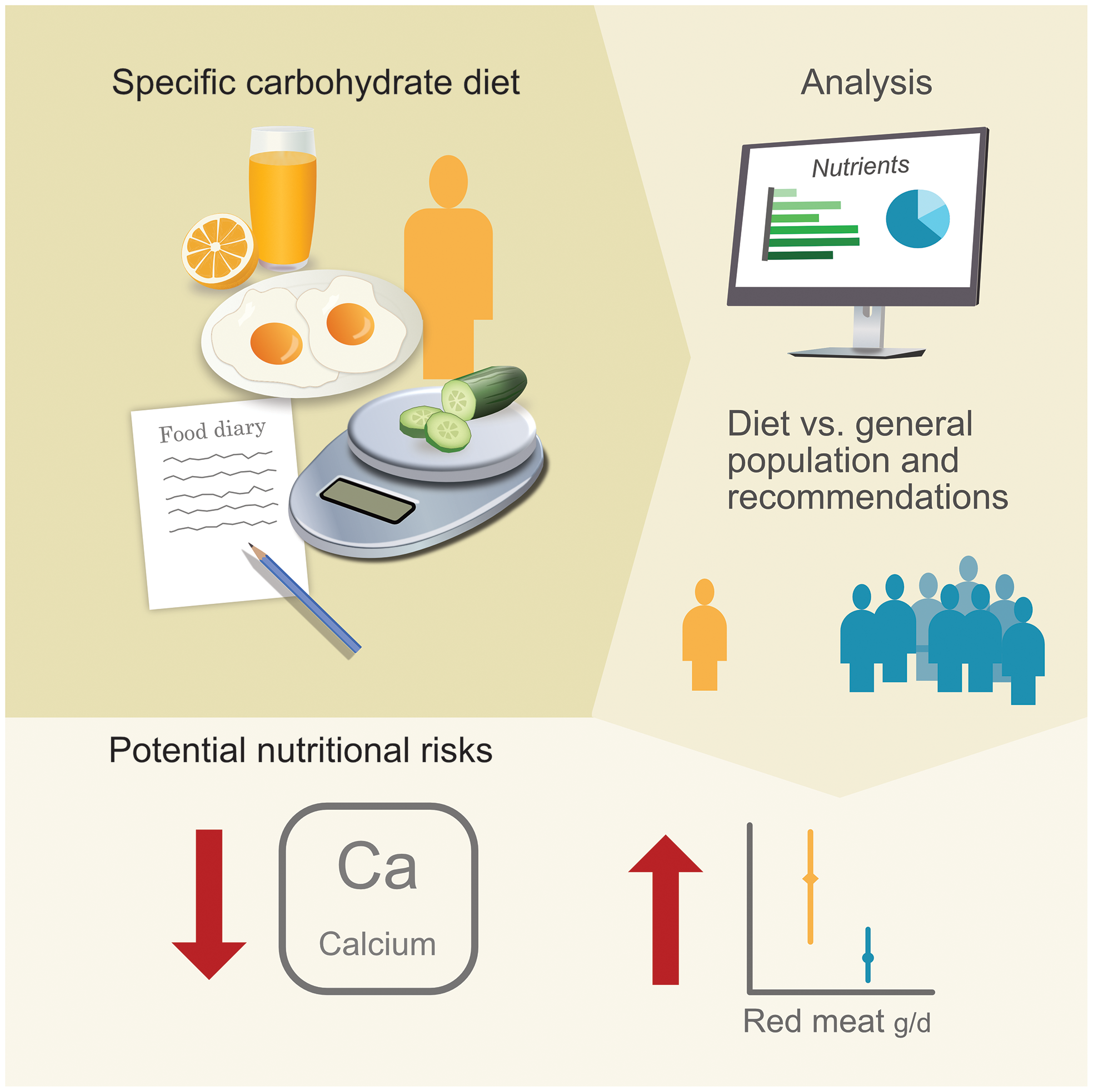
Diet is considered a key research priority for juvenile idiopathic arthritis (JIA), garnering considerable interest from affected families. Despite this, research studies focusing on dietary interventions remain scarce. The specific carbohydrate diet (SCD) has shown potential, however, its nutritional consequences and risks are not well understood. This study aims to describe and evaluate food and nutrient intakes in children with JIA adhering to the SCD and contextualize the results relative to recommendations and intakes in the general population. In a secondary analysis, food and nutrient intakes from three-day dietary records of ten children, following a four-week SCD intervention, were evaluated against the Nordic Nutrition Recommendations 2023 and Riksmaten Adolescents data (RMA) (n = 1282). All children following the SCD met the recommended minimum intake of fruit and vegetables of 500g/day, a stark contrast to the 6% in RMA. Median dietary fibre intake for the SCD was 26g/d, (IQR 21-33), compared to 16g/d (IQR 12-22) in RMA. Elevated saturated fatty acid (SFA) intake was observed in both groups, with the SCD group also consuming high amounts of red meat. Calcium was the sole nutrient for which the standard diet surpassed the SCD, as 9 out of 10 participants had inadequate intake. While children on the SCD showed a lower likelihood of nutrient inadequacy compared to the general population, inadequate calcium intake and elevated SFA and red meat consumption are concerning given known comorbidities in JIA. These results highlight the importance of disease-specific dietary guidance to ensure optimal support for patients and parents.
Previous studies have assessed how supplementing with Garcinia cambogia affects glycaemic control and liver enzyme levels; nevertheless, the results were not consistent. The study aimed to evaluate the impact of Garcinia cambogia on glycaemic control and liver enzymes through a systematic review and meta-analysis. Searches were conducted from the beginning through February 2023, using online databases (Scopus, Web of Science, PubMed, and Cochrane Library). Trials examining the impact of Garcinia cambogia on serum levels of fasting blood sugar (FBS), serum level of insulin, alanine transaminase (ALT), and aspartate transaminase (AST) in adults were included. The overall estimates and their 95% confidence intervals (CIs) were calculated using a random-effects model. This meta-analysis includes nine publications with 444 participants. The results showed that Garcinia cambogia has no significant effect on FBS (weighted mean difference (WMD): 1.02 mg/dl, 95% CI: −1.29, 3.33), insulin (WMD: −0.12 mU/L, 95% CI: −1.50, 1.25), AST (Hedges’ g: −0.08, 95% CI: −0.43, 0.26), and ALT (Hedges’ g: 0.27, 95% CI: −0.20, 0.73). Subgroup analysis showed that Garcinia cambogia significantly increased insulin levels in females and also increased insulin and FBS levels in those with a BMI ≥30 kg/m2. Nevertheless, the administration of Garcinia cambogia for more than 8 weeks significantly decreased insulin levels. This meta-analysis showed that supplementation with Garcinia cambogia has no significant effect on FBS, insulin, ALT, or AST levels compared with control groups; however, it seems that increasing the duration of the intervention may have a decreasing effect on insulin levels.
The therapeutic effects of probiotics in patients with traumatic brain injury (TBI) remain unclear. This study aimed to investigate the effects of probiotic supplementation on cell adhesion molecules (CAMs), oxidative stress and antioxidant parameters in TBI patients. This randomised, double-blind, placebo-controlled trial included forty-six TBI patients who were randomly assigned to receive either a probiotic supplement (n 23) or a placebo (n 23) for 14 d. The probiotic capsule contained four strains of Lactobacillus (L. casei, L. bulgaricus, L. rhamnosus, L. acidophilus), two strains of Bifidobacterium (B. longum, B. breve) and Streptococcus thermophilus. Serum levels of intercellular adhesion molecule (ICAM)-1, vascular cell adhesion molecule (VCAM)-1, pro-oxidant–antioxidant balance (PAB), malondialdehyde (MDA), nitric oxide (NO), total antioxidant capacity (TAC) and arylesterase (ARE) activity were measured at the beginning and end of the trial. Dietary intakes of patients were also recorded at the beginning and end of the trial. At the end of the study, there were no significant changes in ICAM-1, VCAM-1, PAB, MDA, NO, TAC and ARE levels. However, patients who received probiotic supplements had significantly increased dietary intakes of energy, macronutrients, vitamin E, Zn, Cu and Se compared with the placebo group. This study provides evidence that probiotic supplementation for 14 d in TBI patients has beneficial effects on dietary intake. However, it did not affect serum levels of CAMs, oxidative stress or antioxidant parameters. These findings should be considered preliminary, and further research is needed to evaluate long-term and clinical outcomes.
Foods are frequently marketed to children through the inclusion of a wide range of elements on the packages. Several studies conducted in different countries around the globe have shown that products marketed to children are usually high in sugar and other nutrients associated with non-communicable diseases. The present exploratory cross-sectional study aimed at providing additional evidence on the composition of products marketed to children by analysing the disclosure of additives in such products. Data were collected at nine supermarkets in two Uruguayan cities between August and October 2021. All packaged products available in each supermarket were surveyed using a cell phone app, except for culinary ingredients. All the information from the labels was extracted. Products marketed to children were identified based on the presence of indicators of child-directed marketing on the package. The disclosure of additives was analysed based on the information available in the ingredient list. The prevalence of food additive disclosure was calculated. Of the 7,343 products included in the database, 573 (7.8%) were classified as marketed to children. Candies and cookies were the categories with the largest number of products marketed to children. The great majority of the products marketed to children disclosed at least one food additive (93.5%). These products tended to more frequently notify colourings, antioxidants, acidity regulators, raising agents, stabilisers, humectants, anticaking agents, and glazing agents compared to products not marketed to children. These findings underscore the need to expand the current scope of regulations on marketing targeted at children beyond nutrients to include additives potentially linked to adverse health effects, such as artificial colourings.
This study aimed to investigate the impact of Astragalus dregs — the residue after the extraction of principal active components — on the growth performance, antioxidant capacity, and immune function of fattening pigs. Twenty-four 130 days of age fattening pigs were randomly assigned to the control group and experimental group (supplemented with 10% Astragalus dregs). The production performance was evaluated by average daily gain (ADG), average daily feed intake (ADFI) and diarrhoea rates. Additionally, nutrient digestibility, blood biochemical parameters, antioxidant capacity, and immune function factors were analysed. The group supplemented with Astragalus dregs showed a trend towards improved ADG and ADFI and reduced diarrhoea rates (p > 0.05). Moreover, it significantly enhanced the digestibility of dry matter, crude protein, and ether extract (p < 0.05). Blood analysis revealed that globulin and total protein were increased, and glucose, cholesterol and triglyceride levels were decreased (p < 0.05) in the group supplemented with Astragalus dregs. The antioxidant capacity was significantly promoted by elevated T-AOC, GSH-px, and SOD activities and reduced malondialdehyde levels (p < 0.05). The immune function factors demonstrated that IgA, IgG, IgM, and anti-inflammatory cytokines IL-10 and IL-22 were significantly increased, meanwhile pro-inflammatory cytokines IL-2 and IL-6 were decreased (p < 0.05).
These findings indicate that Astragalus dregs, as a dietary supplement, may enhance growth performance, antioxidant capacity and immune function in fattening pigs. It is suggested that future studies should explore the optimal supplementation ratio of Astragalus dregs in pig diets.
We have used multiple regression analyses to develop a series of metabolisable energy prediction equations from chemical analyses of pig diets that can be extended to murine diets. We compiled four datasets from an extensive range of published metabolism studies with grower/finisher and adult pigs. The analytes in the datasets were increasingly complex, comprising (1) the proximate or Weende analysis, (2) the previous analysis but with neutral detergent fibre replacing crude fibre, (3) the neutral detergent fibre package plus starch and (4) the neutral detergent fibre package plus starch and sugars. Diet manufacturers routinely provide most of the analytes for batches of murine diet, or they are easily obtainable. The study uniquely compares the four analytical packages side by side. The number of records in the datasets varies from 367 to 827. With increasing analytical complexity, adjusted R2 values for metabolisable energy prediction improved from 0·751 to 0·869 and the mean absolute error from 0·422 to 0·289 kJ/g. Overall, the models’ prediction interval improved from 1 to 0·7 kJ/g, which is ± 7 to 5 % for a typical dietary metabolisable energy density of 14·8 kJ/g. Although prediction accuracy increases as one extends the range and complexity of the analytes measured, the improvement is slight and may not justify the substantial increase in analytical cost. The equations were validated for use on future datasets by k-fold analysis. Although the equations are developed from pig data, they are suitable for rat and mouse diets, based on comparable digestibility measurements, and substantially improve existing methods.
Although research on the relationship between lean body mass and blood pressure (BP) has been inconsistent, most studies reported that measures of lean body mass are associated with a higher risk of hypertension. We explored relationships between body composition (fat and skeletal muscle mass) and BP in 1162 young adult African women. Dual-energy X-ray absorptiometry-derived measures of whole-body, central and arm fat mass were associated with higher systolic and diastolic BP, while leg fat percentage was associated with lower systolic and diastolic BP. However, only the associations with diastolic BP remained after adjusting for appendicular skeletal muscle mass (ASM). ASM was associated with higher systolic and diastolic BP, before and after adjusting for whole-body fat percentage and visceral adipose tissue. While there was no overlap in targeted proteomics of BP and body composition, REN was lower in the elevated BP than the normal BP group and was inversely associated with diastolic BP (false rate discovery adjusted P< 0·050). Several proteins were positively associated with both visceral adipose tissue and ASM (LEP, FABP4, IL6 and GGH) and negatively associated with both visceral adipose tissue and ASM (ACAN, CELA3A, PLA2G1B and NCAM1). NOTCH3, ART3, COL1A1, DKK3, ENG, NPTXR, AMY2B and CNTN1 were associated with lower visceral adipose tissue only, and IGFBP1 was associated with lower ASM only. While the associations between body fat and BP were not independent of skeletal muscle mass, the associations between muscle mass and BP were independent of overall and central adiposity in young adult African women. Future interventions targeting muscle mass should also monitor BP in this population.
Adherence to healthy diet principles and to cardiopreventive medication, both key behaviours in CVD prevention, is known to differ between women and men. Whether these adherence behaviours are differentially related among women and men has never been thoroughly assessed. The objective was to assess gender differences in the association between adherence to healthy diet principles and to cardiopreventive medication in adults free of CVD. This cross-sectional study included 268 women and 204 men from the CARTaGENE cohort (Québec, Canada) who were using antihypertensive and/or cholesterol-lowering medication. Adherence to healthy diet principles was assessed using the Alternate Healthy Eating Index (AHEI, %), calculated from a validated FFQ assessing diet in the 12-month preceding its completion. Medication adherence was assessed using the daily pharmacotherapy possession rate (DPPR, %), calculated from prescription claim data over the same 12-month period. In multivariable-adjusted analyses, an inverse association between AHEI and DPPR was observed among men (βAHEI for 10 % increment in DPPR = –0·65 %; 95 % CI −1·28 %, −0·03 %; P = 0·04), while it tended to be positive among women (β = 0·44 %; 95 % CI −0·11 %, 1·00 %; P = 0·12; Pgender×DPPR = 0·01). The negative association between AHEI and DPPR was stronger among men who never smoked or used cholesterol-lowering medication only. Among women, the positive association was stronger and statistically significant among those with obesity or using ≥ 3 medications simultaneously. Association between adherence to healthy diet principles and to cardiopreventive medication differs between women and men, with men potentially facing greater challenges in achieving optimal complementarity between these two behaviours.
Anaemia remains a significant public health concern in developing countries. This study estimated the proportion of childhood anaemia cases that could be potentially prevented in Togo using data from the 2017 National Malaria Indicator Survey. Maternal, child, and household data were collected through standardized face-to-face interviews. Haemoglobin (Hb) levels were measured in children and their mothers. A total of 2796 children were included in the analyses. The prevalence of anaemia was 75·0 % (95 % CI, CI: 72·5, 88·0). Factors associated with childhood anaemia were age ((adjusted prevalence ratio, aPR = 1·46 (CI: 1·37, 1·56) for 6–23 months and aPR = 1·23 (1·14, 1·32) for 24–42 months, ref: 43–59 months), a later birth order (≥ 4th position) (aPR = 1·11 (1·03, 1·19), ref: 1st–2nd position), malaria in children (aPR = 1·30 (1·22, 1·38)), maternal age ≤ 25 (aPR = 1·17 (1·08, 1·27), ref: ≥ 35 years), maternal anaemia (aPR = 1·13 (1·07, 1·19)), lack of maternal education (aPR = 1·10 (1·02, 1·18), ref: ≥ secondary), number of children under 5 in household (aPR = 1·07 (1·00, 1·14) for ≥ 3, ref: 0–1), unimproved sanitation facilities (aPR = 1·12 (1·02, 1·22)) and low/middle household incomes (aPR = 1·16 (1·04, 1·30) and aPR = 1·13 (1·01, 1·26), respectively, ref: high). The population-attributable fraction was estimated at 8·2 % (6·3, 10·1 %) for child-related modifiable factors, 11·1 % (5·7, 16·3 %) for maternal-related factors, 15·8 % (8·6, 22·5 %) for household-related factors and 30·9 % (24·0, 37·2 %) for the combination of all modifiable factors. This study highlighted a high prevalence of childhood anaemia in Togo and showed that a high proportion of this could be prevented.
This cross-sectional ecological study described fruit and vegetable (F&V) intake variability across 144 cities in 8 Latin American countries and by city-level contextual variables. Data sources came from health surveys and census data (Argentina, Brazil, Chile, Colombia, El Salvador, Guatemala, Mexico, and Peru). Self-reported frequency of F&V intake was harmonised across surveys. Daily F&V intake was considered as consumption 7 d of the week. Using a mixed-effects model, we estimated age and sex-standardised city prevalences of daily F&V intake. Through Kruskal–Wallis tests, we compared city F&V daily intake prevalence by tertiles of city variables related to women’s empowerment, socio-economics, and climate zones. The median prevalence for daily F&V intake was 55.7% across all cities (22.1% to 85.4%). Compared to the least favourable tertile of city conditions, F&V daily intake prevalence was higher for cities within the most favourable tertile of per capita GDP (median = 65.7% vs. 53.0%), labour force participation (median = 68.7% vs. 49.4%), women achievement-labour force score (median = 63.9% vs. 45.7%), and gender inequality index (median = 58.6% vs. 48.6%). Also, prevalences were higher for temperate climate zones than arid climate zones (median = 65.9% vs. 50.6%). No patterns were found by city level of educational attainment, city size, or population density. This study provides evidence that the prevalence of daily F&V intake varies across Latin American cities and may be favoured by higher socio-economic development, women’s empowerment, and temperate weather. Interventions to improve F&V intake in Latin America should consider the behaviour disparities related to underlying local social, economic, and climate zone characteristics.