To save content items to your account,
please confirm that you agree to abide by our usage policies.
If this is the first time you use this feature, you will be asked to authorise Cambridge Core to connect with your account.
Find out more about saving content to .
To save content items to your Kindle, first ensure no-reply@cambridge.org
is added to your Approved Personal Document E-mail List under your Personal Document Settings
on the Manage Your Content and Devices page of your Amazon account. Then enter the ‘name’ part
of your Kindle email address below.
Find out more about saving to your Kindle.
Note you can select to save to either the @free.kindle.com or @kindle.com variations.
‘@free.kindle.com’ emails are free but can only be saved to your device when it is connected to wi-fi.
‘@kindle.com’ emails can be delivered even when you are not connected to wi-fi, but note that service fees apply.
We study the problem of fitting a piecewise affine (PWA) function to input–output data. Our algorithm divides the input domain into finitely many regions whose shapes are specified by a user-provided template and such that the input–output data in each region are fit by an affine function within a user-provided error tolerance. We first prove that this problem is NP-hard. Then, we present a top-down algorithmic approach for solving the problem. The algorithm considers subsets of the data points in a systematic manner, trying to fit an affine function for each subset using linear regression. If regression fails on a subset, the algorithm extracts a minimal set of points from the subset (an unsatisfiable core) that is responsible for the failure. The identified core is then used to split the current subset into smaller ones. By combining this top-down scheme with a set-covering algorithm, we derive an overall approach that provides optimal PWA models for a given error tolerance, where optimality refers to minimizing the number of pieces of the PWA model. We demonstrate our approach on three numerical examples that include PWA approximations of a widely used nonlinear insulin–glucose regulation model and a double inverted pendulum with soft contacts.
In the present study, we have discovered and identified a new crystalline form of pinaverium bromide, pinaverium bromide dihydrate (C26H41BrNO4⋅Br⋅2H2O), whose single crystals can be obtained by recrystallization from a mixture of water and acetonitrile at room temperature. The obtained crystals were characterized by X-ray single-crystal diffraction, and their crystal structure was also solved based on X-ray single-crystal diffraction data. The results show that the final pinaverium bromide dihydrate model contains an asymmetric unit of one pinaverium bromide (C26H41Br2NO4) molecule and two water molecules that combine with the bromine ion through O–H⋯O and O–H⋯Br hydrogen bonds. Then, the adjacent pinaverium bromide dihydrates are linked by O–H⋯O, O–H⋯Br, and C–H⋯O hydrogen bonds. On the other hand, the experimentally obtained X-ray powder diffraction pattern is in good agreement with the simulated diffraction pattern from their single-crystal data, confirming the correctness of the crystal structure. Hirshfeld surface analysis was employed to understand and visualize the packing patterns, indicating that the H⋯H interaction is the main acting force in the crystal stacking of pinaverium bromide dihydrate.
The robots of tomorrow should be endowed with the ability to adapt to drastic and unpredicted changes in their environment and interactions with humans. Such adaptations, however, cannot be boundless: the robot must stay trustworthy. So, the adaptations should not be just a recovery into a degraded functionality. Instead, they must be true adaptations: the robot must change its behaviour while maintaining or even increasing its expected performance and staying at least as safe and robust as before. The RoboSAPIENS project will focus on autonomous robotic software adaptations and will lay the foundations for ensuring that they are carried out in an intrinsically trustworthy, safe and efficient manner, thereby reconciling open-ended self-adaptation with safety by design. RoboSAPIENS will transform these foundations into ‘first time right’-design tools and platforms and will validate and demonstrate them.
Biodesign is emerging as a radical design approach with great potential for the ecological turn, finally endorsed by some first academic courses providing designers with hybrid skills to embrace scientific disciplines. However, the resulting professional figure, the biodesigner, still needs to be better defined in the academic and grey literature, also considering the different and multiple facets that working between design and science may entail. This study presents four case studies of research through design (RTD), addressed by the author as an autoethnographic form of inquiry to clarify the roles a biodesigner could assume, emphasising the differences in methods, tools and workplaces, which inevitably affect the Biodesign outcomes. The author analyses her role as a biodesigner and designer in lab, working in teams and environments requiring different degrees of interdisciplinarity. Far from adopting a speculative approach, the RTDs focus on sustainable Material Design and Biodesign solutions that might be feasible in the short run, aiming to test the designer’s abilities in enriching scientific research and investigating the role and contribution designers can play in scientific contexts of different intensities. The study demonstrates the possibility of a reciprocal knowledge transfer between design and science, highlighting the potential of the designerly way of knowing in bringing innovation to the scientific field.
The crystal structure of cariprazine dihydrochloride has been solved and refined using synchrotron X-ray powder diffraction data and optimized using density functional theory techniques. Cariprazine dihydrochloride crystallizes in space group P21/n (#14) with a = 27.26430(14), b = 7.29241(1), c = 12.80879(4) Å, β = 99.5963(2)°, V = 2511.038(8) Å3, and Z = 4 at 295 K. The crystal structure consists of layers of cations parallel to the bc-plane. The cations stack along the b-axis. Each H atom on the two protonated N atoms participates in a discrete N–H⋯Cl hydrogen bond. One Cl anion acts as an acceptor in two of these bonds, while the other Cl is an acceptor in only one bond. The result is to link the cations and anions into columns parallel to the b-axis. The powder pattern has been submitted to the ICDD for inclusion in the Powder Diffraction File™ (PDF®).
Combining tradition and innovation, timber plays essential roles in building structures for architecture and engineering. Tree branching geometries and timber in its natural state often serve as sources of inspiration. However, the mechanical properties of naturally grown timber, inherently inconsistent and geometrically varied, remain insufficiently studied, particularly for construction and simulations. This knowledge gap perpetuates the prevalent use of straight, uniformly harvested timber while neglecting curved and bifurcated elements with smaller cross-sections.
This research investigates the potential of naturally grown timber in structural design, emphasizing the importance of understanding the natural characteristics and growth patterns of trees to optimize timber use. The developed methodology leverages noninvasive technologies, such as computerized tomography (CT), to precisely capture the geometrical and material properties of wood. These data sources are then integrated to visualize cross-sectional geometries and material properties, forming the basis for our analytical approach. Utilizing generalized scaled boundary isogeometric analysis, the methodology enhances the accuracy and efficiency of simulations, aligning structural design with natural growth principles. This approach not only fosters sustainable resource practices by promoting the use of major tree parts but also transforms discarded materials into valuable resources. The paper concludes with a demonstration of this methodology applied in a practical construction scenario.
We present a simple analytical formalism based on the Lorentz-Scherrer equation and Bernoulli statistics for estimating the fraction of crystallites (and the associated uncertainty parameters) contributing to all finite Bragg peaks of a typical powder pattern obtained from a static polycrystalline sample. We test and validate this formalism using numerical simulations, and show that they can be applied to experiments using monochromatic or polychromatic (pink-beam) radiation. Our results show that enhancing the sampling efficiency of a given powder diffraction experiment for such samples requires optimizing the sum of the multiplicities of reflections included in the pattern along with the wavelength used in acquiring the pattern. Utilizing these equations in planning powder diffraction experiments for sampling efficiency is also discussed.
BioForms integrates sacrificial formworks, agent-based computational algorithms and biological growth in the generation of biodegradable internal wall panel systems. These wall panel systems are intended to minimize material waste, utilize local botany and generate a symbiosis between the artificially made and the naturally grown. This is achieved by utilizing local waste as a structural compressive core, mycelium as the binder, and recycled pellets as the architectural skin. Leveraging mycelium’s structural, acoustic and thermal properties, this exploration delves into unique methods of incorporating fungi and waste into architectural construction. The motivations for this research stem from the need to address the building industry’s contribution to climate change, by considering the lifecycle of our materials. BioForms aims to retrofit existing buildings by replacing foam insulation and MDF (medium-density fiberboard) wall panels with biodegradable and recyclable 3D-printed skins embedded with a mycelium core. Analysing mycelium’s reaction to BioForms I, the second iteration, BioForms II, evolves in design complexity and materiality. BioForms II explored robotically fabricated wood-based polylactic acid plastic (PLA) composite materials. Within the second iteration of this research stream, mycelia was both embedded within the compressed fabricated skins and on the external surface. Whilst BioForms explored the generation of biodegradable wall panel systems, the broader aims of this research is aimed at infiltrating biological matter into human-occupied spaces, completely omitting the use of synthetic building materials within the construction industry and advancing the architects relationship to nature in the generation of form.
Responsive materials can transform their visual appearance in reaction to environmental stimuli. One example of such responsiveness involves the use of plant-based anthocyanins as pH-mediated allochroic pigments. Despite the increasing interest and applications of this pigment, its applications in urban contexts are very limited. By using pH-mediated colour change as a phenomenon to trial a colourimetric quantitative framework, this study seeks to bridge smart material design with colour science approaches to enable future scale-up applications. The colour values of anthocyanins immobilised in sodium alginate-based hydrogel discs and yarns were measured in response to varying pH values. The colourimetric measurements in CIELAB colour space provided a device for setting independent colour values that demonstrated a clear pattern across the pH range of 1–12. The colour difference (ΔE00) of mean colour values was perceivably different across the pH scale, with a minimum value of 2.7. Key variables of the process have been summarised, and their relationships have been discussed. Finally, a proof-of-concept small-scale textile prototype encompassing anthocyanin-laden hydrogel yarns was developed. The findings of this study contribute towards the integration of non-destructive means of colour measurement as a quantitative tool for biochemical process evaluation.
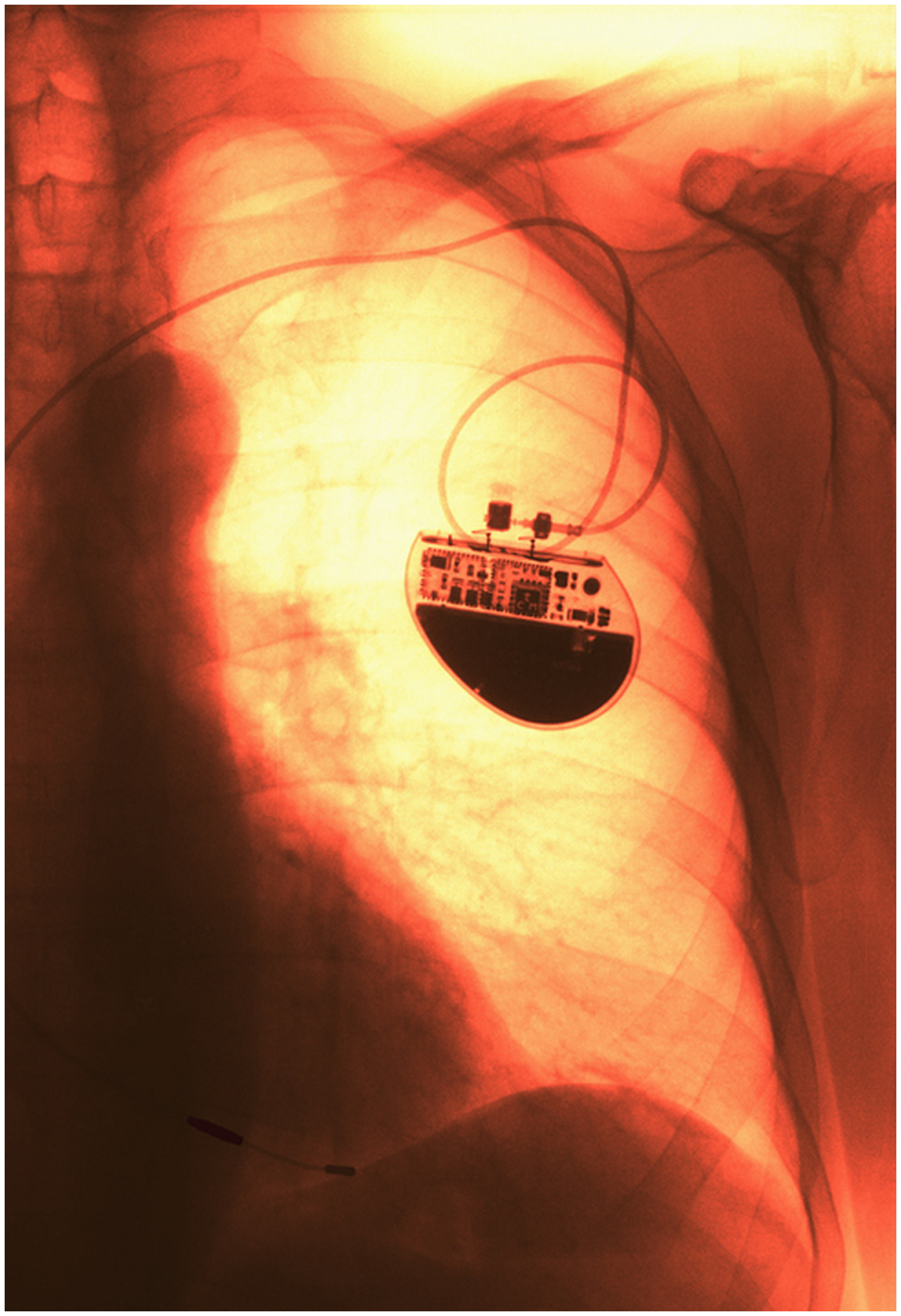
Biotechnology, with its vast potential, is poised to revolutionize fields ranging from medicine and healthcare to environmental sensing. Central to this revolution are bio-interfaces, which include both electrical and non-electrical interventions using wearables and implants. These interfaces offer new avenues for monitoring and interacting with biological systems, thereby enhancing the capabilities of modern healthcare solutions. The adoption of innovative design strategies is crucial for fully harnessing this potential and overcoming current limitations. In the realm of medicine and healthcare, biotechnology design strategies can bring about significant breakthroughs in disease diagnosis, treatment and prevention. For instance, targeted drug delivery systems can improve treatment efficacy while minimizing side effects. Personalized medicine, made possible through advancements in genomics and proteomics, can tailor treatments to individual patients, leading to better outcomes and reduced healthcare costs.
Equations are given which allow an analyst to obtain a correct absolute quantitative phase analysis via the internal standard method when a reference material with a known crystallinity of less than 100% is used. Comparisons are made with previous equations, and a numerical example is given.
The crystal structure of benserazide hydrochloride Form I has been solved and refined using synchrotron X-ray powder diffraction data and optimized using density functional theory techniques. Benserazide hydrochloride Form I crystallizes in space group P21/n (#14) with a = 19.22983(15), b = 14.45066(10), c = 4.57982(2) Å, β = 93.6935(3), V = 1270.014(15) Å3, and Z = 4 at 295 K. The crystal structure contains pairs of hydrogen-bonded benserazide cations, which are hydrogen bonded to chloride anions, resulting in chains along the c-axis. In addition, O–H⋯Cl, N–H⋯O, O–H⋯N, and O–H⋯O hydrogen bonds link the cations and anions into a three-dimensional framework. The powder pattern has been submitted to ICDD® for inclusion in the Powder Diffraction File™ (PDF®).
Controller synthesis offers a correct-by-construction methodology to ensure the correctness and reliability of safety-critical cyber-physical systems (CPS). Controllers are classified based on the types of controls they employ, which include reset controllers, feedback controllers and switching logic controllers. Reset controllers steer the behavior of a CPS to achieve system objectives by restricting its initial set and redefining its reset map associated with discrete jumps. Although the synthesis of feedback controllers and switching logic controllers has received considerable attention, research on reset controller synthesis is still in its early stages, despite its theoretical and practical significance. This paper outlines our recent efforts to address this gap. Our approach reduces the problem to computing differential invariants and reach-avoid sets. For polynomial CPS, the resulting problems can be solved by further reduction to convex optimizations. Moreover, considering the inevitable presence of time delays in CPS design, we further consider synthesizing reset controllers for CPS that incorporate delays.
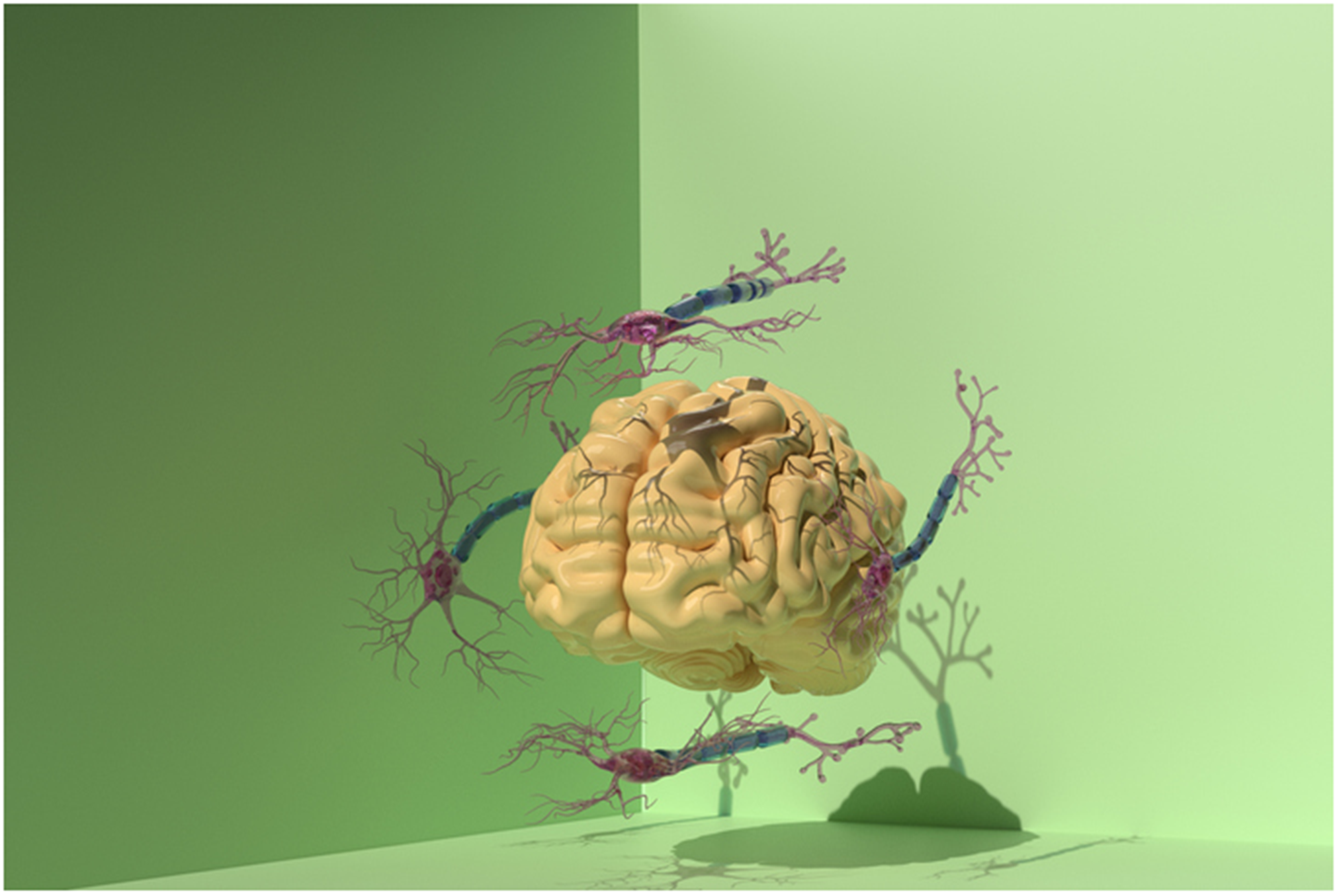
The field of Biodesign holds immense potential in transforming our understanding of the brain and enhancing the capabilities of biotech devices. Over the past decade, this interdisciplinary area has experienced rapid growth, driven by pioneering research, the rise of design-focused biotech startups, and the expansion of educational programs globally.
Synthetic textiles, such as polyester, are resistant to natural degradation and constitute approximately 65% of global circulating textile fibers, posing a significant environmental challenge due to their persistence in ecosystems. The global textile industry is responsible for nearly 10% of total global carbon emissions annually and increasing environmental waste. One emerging solution to the industry’s negative environmental impacts is bio-based textile materials that are biodegradable and low-carbon to reduce dependencies on petroleum oil. This paper presents the evolutionary design journey and novel development of earth- and bio-based wearable textiles, coined as BioMud Fabrics, which consist entirely of geo- and bio-based materials. The qualitative and quantitative research-by-design methodological toolkit includes material characterization analysis, microstructural analysis using scanning electron microscopy (SEM) and macro-scale structural characterization using tearing tests following ASTM D5587. The developed fabrics were then applied in a series of speculative design demonstrations with fashion design serving as a central case study. This research uniquely combines material science and engineering with exploratory fashion design and architectural practices with the goal of offering radically innovative biomaterials in an effort to shift towards a more circular material paradigm.
A proposed crystal structure of lifitegrast Form A has been derived using synchrotron X-ray powder diffraction data and optimized using density functional theory techniques. Lifitegrast sesquihydrate Form A crystallizes in space group P21 (#4) with a = 18.2526(4), b = 5.15219(6), c = 30.1962(6) Å, β = 90.8670(19), V = 2839.35(7) Å3, and Z = 4 at 295 K. The crystal structure consists of discrete lifitegrast molecules linked by hydrogen bonds among carboxylic acid groups, carbonyl groups, and water molecules into a three-dimensional framework. The water molecules occur in clusters. Each water molecule acts as a donor in two O–H⋯O hydrogen bonds, and as an acceptor. One water molecule acts as an acceptor in a water–water O–H⋯O hydrogen bond, and all three water molecules are acceptors in C–H⋯O hydrogen bonds. Each carboxylic acid group acts as a donor in a strong discrete O–H⋯O hydrogen bond; one to a water molecule and the other to a carbonyl group. The amino groups both form N–H⋯O hydrogen bonds to carbonyl groups. The powder pattern has been submitted to ICDD® for inclusion in the Powder Diffraction File™ (PDF®).
The crystal structure of decoquinate has been solved and refined using synchrotron X-ray powder diffraction data and optimized using density functional theory techniques. Decoquinate crystallizes in space group P21/n (#14) with a = 46.8261(5), b = 12.94937(12), c = 7.65745(10) Å, β = 91.972(1), V = 4640.48(7) Å3, and Z = 8 at 295 K. The crystal structure consists of alternating layers of hydrocarbon chains and ring systems along the a-axis. Hydrogen bonds link the ring systems along the b-axis. The rings stack along the c-axis. The two independent decoquinate molecules have very different conformations, one of which is typical and the other has an unusual orientation of the decyl chain with respect to the hydroxyquinoline ring system, facilitating chain packing. The powder pattern has been submitted to the ICDD for inclusion in the Powder Diffraction File™ (PDF®).
Phase characterization with selected area electron diffraction (SAED) represents a significant challenge when the pattern contains a substantial number of diffraction spots arranged in concentric but incomplete rings. This is a common situation when the crystallites are neither large enough to form a single crystal pattern nor sufficiently small and numerous to form continuous Debye-Scherrer rings. In such circumstances, it is often extremely difficult to distinguish between reflections belonging to a specific phase or to identify reflections that originate from secondary phases. To facilitate the process of phase identification for these kinds of multiphase samples, a macro script with the recursive acronym FINDS (FINDS Identifies Non-matrix Diffraction Spots) was developed on the ImageJ/FIJI platform. The program allows the user to mark diffraction spots of known phases by superimposed rings, making it easy to identify and address additional reflections between them. In addition to the full functionality of calculating and plotting the diffraction ring patterns of the known phases in different styles and colors, FINDS also provides tools for locating spot positions and determining the corresponding d-values of the reflections of interest. The effectiveness of this approach and of the developed program in assisting the process of phase identification with SAED patterns of multiphase samples is demonstrated by two representative examples. The macro code of FINDS is published under GNU General Public License v3.0 or later at https://doi.org/10.5281/zenodo.13748483.
Migrating reefs, unprecedented species assemblages, neophytes, toxicities, pollutants, aquatic ruins – The future of coral reefs in the Anthropocene is likely to look different from anything we have experienced so far. While the classic conservation debate on coral reef restoration still treats these ecosystems as “sick patients,” a radically different view of convivial conservation is beginning to challenge exclusive human control over these endangered habitats. Putting aside notions of natural “purity” and adopting a much more humble and highly interconnected perspective on marine habitats, we can begin to see reefs as transformative, sympoïetic and blasted seascapes for a convivial future. The discipline of biodesign has been primarily focussed on researching ecological relationships with regard to new materials and products. The emerging interest in shaping the multi-layered ecological relationships of habitats for other-than-human lives, however, is steering design practice towards terraforming or, in the case of marine environments, “aquaforming.” This paper argues for taking convivial conservation practices in marine environments as a starting point for the development of a new design methodology that focuses on the design of living systems in open environments: a proposed methodology called Sympoïetic Design.