Refine search
Actions for selected content:
11366 results in Ancient philosophy
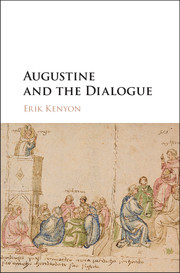
Augustine and the Dialogue
-
- Published online:
- 16 February 2018
- Print publication:
- 08 March 2018
Evil in Aristotle
-
- Published online:
- 12 February 2018
- Print publication:
- 22 February 2018
Contents
-
- Book:
- Aristotle's <I>Generation of Animals</I>
- Published online:
- 24 November 2017
- Print publication:
- 11 January 2018, pp vii-viii
-
- Chapter
- Export citation
Part III - Hybrids, Male and Female, Particular Forms, and Monsters
-
- Book:
- Aristotle's <I>Generation of Animals</I>
- Published online:
- 24 November 2017
- Print publication:
- 11 January 2018, pp 151-224
-
- Chapter
- Export citation
Chapter 11 - Aristotle’s Explanations of Monstrous Births and Deformities in Generation of Animals 4.4
- from Part III - Hybrids, Male and Female, Particular Forms, and Monsters
-
-
- Book:
- Aristotle's <I>Generation of Animals</I>
- Published online:
- 24 November 2017
- Print publication:
- 11 January 2018, pp 207-224
-
- Chapter
- Export citation
Contributors
-
- Book:
- Aristotle's <I>Generation of Animals</I>
- Published online:
- 24 November 2017
- Print publication:
- 11 January 2018, pp ix-xii
-
- Chapter
- Export citation
Preface
-
- Book:
- Aristotle's <I>Physics</I> Book I
- Published online:
- 21 December 2017
- Print publication:
- 11 January 2018, pp ix-xv
-
- Chapter
- Export citation
Acknowledgements
-
- Book:
- Aristotle's <I>Physics</I> Book I
- Published online:
- 21 December 2017
- Print publication:
- 11 January 2018, pp xvi-xvi
-
- Chapter
- Export citation
References
-
- Book:
- Aristotle's <I>Generation of Animals</I>
- Published online:
- 24 November 2017
- Print publication:
- 11 January 2018, pp 273-279
-
- Chapter
- Export citation
Index of Passages
-
- Book:
- Aristotle's <I>Generation of Animals</I>
- Published online:
- 24 November 2017
- Print publication:
- 11 January 2018, pp 282-290
-
- Chapter
- Export citation
Chapter 5 - Aristotle on Epigenesis
- from Part II - The Principles of Animal Generation Reconsidered
-
-
- Book:
- Aristotle's <I>Generation of Animals</I>
- Published online:
- 24 November 2017
- Print publication:
- 11 January 2018, pp 89-107
-
- Chapter
- Export citation
Index locorum
-
- Book:
- Aristotle's <I>Physics</I> Book I
- Published online:
- 21 December 2017
- Print publication:
- 11 January 2018, pp 272-282
-
- Chapter
- Export citation
Part I - The Unity and Structure of Aristotle’s Generation of Animals
-
- Book:
- Aristotle's <I>Generation of Animals</I>
- Published online:
- 24 November 2017
- Print publication:
- 11 January 2018, pp 13-74
-
- Chapter
- Export citation
Chapter 6 - A Latent Difficulty in Aristotle’s Theory of Semen
- from Part II - The Principles of Animal Generation Reconsidered
-
-
- Book:
- Aristotle's <I>Generation of Animals</I>
- Published online:
- 24 November 2017
- Print publication:
- 11 January 2018, pp 108-129
-
- Chapter
- Export citation
Contributors
-
- Book:
- Aristotle's <I>Physics</I> Book I
- Published online:
- 21 December 2017
- Print publication:
- 11 January 2018, pp vii-viii
-
- Chapter
- Export citation
Abbreviations
-
- Book:
- Aristotle's <I>Physics</I> Book I
- Published online:
- 21 December 2017
- Print publication:
- 11 January 2018, pp xvii-xviii
-
- Chapter
- Export citation
Chapter 13 - Aristotle, Dissection, and Generation
- from Part IV - Methodology in Aristotle’s Generation of Animals
-
-
- Book:
- Aristotle's <I>Generation of Animals</I>
- Published online:
- 24 November 2017
- Print publication:
- 11 January 2018, pp 249-272
-
- Chapter
- Export citation
The Role, Structure and Status of Aristotle’s PhysicsI
-
-
- Book:
- Aristotle's <I>Physics</I> Book I
- Published online:
- 21 December 2017
- Print publication:
- 11 January 2018, pp 1-40
-
- Chapter
- Export citation
Part II - The Principles of Animal Generation Reconsidered
-
- Book:
- Aristotle's <I>Generation of Animals</I>
- Published online:
- 24 November 2017
- Print publication:
- 11 January 2018, pp 75-150
-
- Chapter
- Export citation
Chapter 10 - Something(s) in the Way(s) He Moves
- from Part III - Hybrids, Male and Female, Particular Forms, and Monsters
-
-
- Book:
- Aristotle's <I>Generation of Animals</I>
- Published online:
- 24 November 2017
- Print publication:
- 11 January 2018, pp 188-206
-
- Chapter
- Export citation
