Refine search
Actions for selected content:
708 results in Archaeological Science
3 - Systematic Soil Micromorphology Description
- from Part I - Background Approach and Methods
-
- Book:
- Applied Soils and Micromorphology in Archaeology
- Published online:
- 18 December 2017
- Print publication:
- 21 December 2017, pp 66-96
-
- Chapter
- Export citation
Part II - Soils and Sediments
-
- Book:
- Applied Soils and Micromorphology in Archaeology
- Published online:
- 18 December 2017
- Print publication:
- 21 December 2017, pp 97-208
-
- Chapter
- Export citation
Tables
-
- Book:
- Applied Soils and Micromorphology in Archaeology
- Published online:
- 18 December 2017
- Print publication:
- 21 December 2017, pp xvi-xvii
-
- Chapter
- Export citation
Part IV - Features and Activities in the Landscape
-
- Book:
- Applied Soils and Micromorphology in Archaeology
- Published online:
- 18 December 2017
- Print publication:
- 21 December 2017, pp 269-518
-
- Chapter
- Export citation
Copyright page
-
- Book:
- Applied Soils and Micromorphology in Archaeology
- Published online:
- 18 December 2017
- Print publication:
- 21 December 2017, pp iv-iv
-
- Chapter
- Export citation
5 - Soil-Sediments
- from Part II - Soils and Sediments
-
- Book:
- Applied Soils and Micromorphology in Archaeology
- Published online:
- 18 December 2017
- Print publication:
- 21 December 2017, pp 135-185
-
- Chapter
- Export citation
2 - Complementary Analyses
- from Part I - Background Approach and Methods
-
- Book:
- Applied Soils and Micromorphology in Archaeology
- Published online:
- 18 December 2017
- Print publication:
- 21 December 2017, pp 39-65
-
- Chapter
- Export citation
Contents
-
- Book:
- Applied Soils and Micromorphology in Archaeology
- Published online:
- 18 December 2017
- Print publication:
- 21 December 2017, pp vii-x
-
- Chapter
- Export citation
Preface
-
- Book:
- Applied Soils and Micromorphology in Archaeology
- Published online:
- 18 December 2017
- Print publication:
- 21 December 2017, pp xix-xxiii
-
- Chapter
- Export citation
4 - Soils and Burial (Horizon Types and Effects of Burial in the Temperate and Boreal Regions)
- from Part II - Soils and Sediments
-
- Book:
- Applied Soils and Micromorphology in Archaeology
- Published online:
- 18 December 2017
- Print publication:
- 21 December 2017, pp 99-134
-
- Chapter
- Export citation
1 - Applied Principles from Geology and Soil Science
- from Part I - Background Approach and Methods
-
- Book:
- Applied Soils and Micromorphology in Archaeology
- Published online:
- 18 December 2017
- Print publication:
- 21 December 2017, pp 3-38
-
- Chapter
- Export citation
13 - Final Remarks
- from Part IV - Features and Activities in the Landscape
-
- Book:
- Applied Soils and Micromorphology in Archaeology
- Published online:
- 18 December 2017
- Print publication:
- 21 December 2017, pp 517-518
-
- Chapter
- Export citation
7 - Archaeological Materials and Deposits
- from Part III - Archaeological Materials
-
- Book:
- Applied Soils and Micromorphology in Archaeology
- Published online:
- 18 December 2017
- Print publication:
- 21 December 2017, pp 211-268
-
- Chapter
- Export citation
12 - Site Transformation
- from Part IV - Features and Activities in the Landscape
-
- Book:
- Applied Soils and Micromorphology in Archaeology
- Published online:
- 18 December 2017
- Print publication:
- 21 December 2017, pp 490-516
-
- Chapter
- Export citation
Index
-
- Book:
- Applied Soils and Micromorphology in Archaeology
- Published online:
- 18 December 2017
- Print publication:
- 21 December 2017, pp 584-600
-
- Chapter
- Export citation
Figures
-
- Book:
- Applied Soils and Micromorphology in Archaeology
- Published online:
- 18 December 2017
- Print publication:
- 21 December 2017, pp xi-xv
-
- Chapter
- Export citation
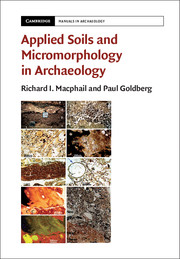
Applied Soils and Micromorphology in Archaeology
-
- Published online:
- 18 December 2017
- Print publication:
- 21 December 2017
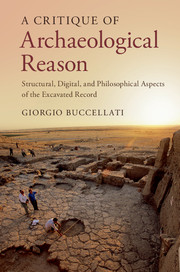
A Critique of Archaeological Reason
- Structural, Digital, and Philosophical Aspects of the Excavated Record
-
- Published online:
- 18 May 2017
- Print publication:
- 24 April 2017
Chapter 2 - Archaeology and Grammar
- from Part I - Fundamentals
-
- Book:
- A Critique of Archaeological Reason
- Published online:
- 18 May 2017
- Print publication:
- 24 April 2017, pp 13-38
-
- Chapter
- Export citation
Chapter 17 - Conclusion
- from Part V - The Wider Frame
-
- Book:
- A Critique of Archaeological Reason
- Published online:
- 18 May 2017
- Print publication:
- 24 April 2017, pp 353-357
-
- Chapter
- Export citation
