To save content items to your account,
please confirm that you agree to abide by our usage policies.
If this is the first time you use this feature, you will be asked to authorise Cambridge Core to connect with your account.
Find out more about saving content to .
To save content items to your Kindle, first ensure no-reply@cambridge.org
is added to your Approved Personal Document E-mail List under your Personal Document Settings
on the Manage Your Content and Devices page of your Amazon account. Then enter the ‘name’ part
of your Kindle email address below.
Find out more about saving to your Kindle.
Note you can select to save to either the @free.kindle.com or @kindle.com variations.
‘@free.kindle.com’ emails are free but can only be saved to your device when it is connected to wi-fi.
‘@kindle.com’ emails can be delivered even when you are not connected to wi-fi, but note that service fees apply.
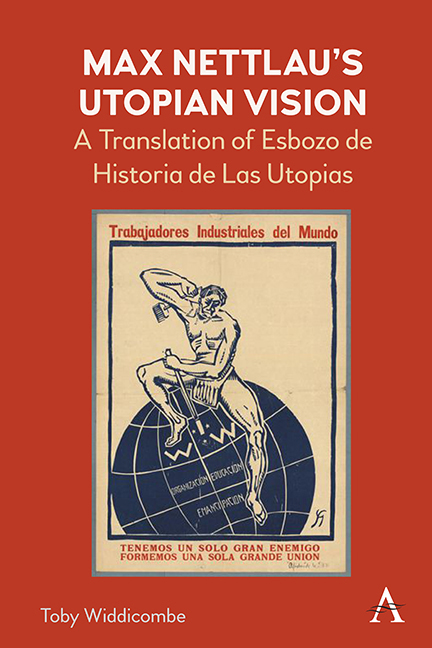
Max Nettlau's Utopian Vision provides a historically grounded presentation of the entire literature of utopianism. Nettlau shows an encyclopaedic knowledge of the subject. He passionately believed that the value of utopian thinking and class struggle should not be underestimated as utopian desire exists in all of us. Utopian thinking, according to Nettlau, stimulates the imagination and awakens the desire to attain a better life for everyone. Without it, human progress is impossible.
Ann Loades has been instrumental in bringing forward for the attention of readers in later generations 'voices from the past,' notably highlighting the work of pioneering women such as Evelyn Underhill and Dorothy L. Sayers as well as advancing the study of better-known Anglican forebears C. S. Lewis and Austin Farrer-always with her own distinctive concerns. A key interpreter of the Anglican tradition and with a keen eye to ensure the full recognition of women, these studies by Ann Loades are essential reading in Anglican, feminist, and twentieth-century theology.
Subscription-video-on-demand (SVOD) services are available on many online video streaming platforms (VSPs) in China, such as iQiyi, Youku, and Tencent Video, backed by Baidu, Alibaba, and Tencent groups (BAT), respectively. The video content on these platforms can be the same shows as those broadcasted on national or provincial television stations, or originally produced and exclusively streamed on the VSP. Meanwhile, VSPs purchase the distribution rights of foreign films and television series to enrich the content pool. This book aims to provide an account of Chinese television, particularly online drama series, or webisodes, with an awareness of the existence and competition of Netflix, covering topics on business strategies of VSPs, original content production trends, trans-media stories telling cases, practitioner insights, and audiences behavior.
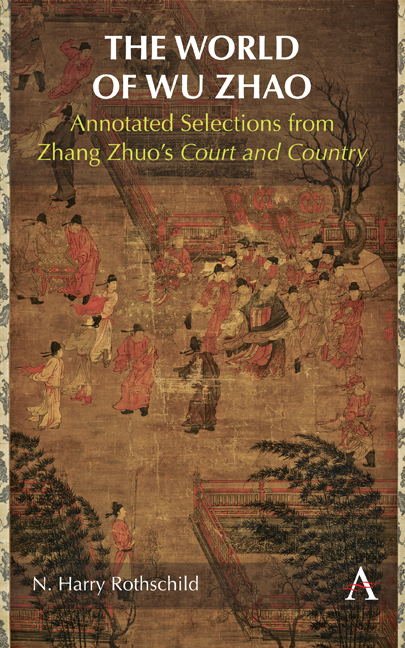
This annotated translation of Zhang Zhuo's collection of miscellany, 'Court and Country', offers a lively, folksy, and novel perspective on the empire of Wu Zhao, China's first and only female emperor, that will amuse and shock readers, prompting them to recalibrate everything they think they know about medieval China. The World of Wu Zhao includes separate chapters on a number of different themes and topics: Buddhist and Daoist monks, the female emperor's male favorites (who dressed up in rainbow feathered garments and pranced around her court astride wooden red-capped cranes), cruel officials (bloodthirsty henchmen who took an aesthetic delight in their vocation), as well as sections on flora and fauna, the common folk, artisans and craftsmen, the military, spirits and the supernatural, the borderlands, and local officials.
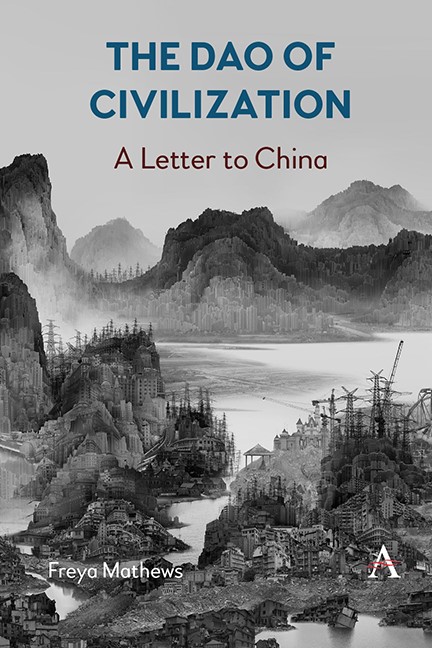
The book sets out a prospectus for a new form of civilization patterned at every level to serve and sustain the biosphere. Starting with the deep philosophical flaw at the core of modernity, namely that the cosmos is devoid of ends of its own, it posits, as an alternative axis for civilization, that the cosmos indeed actively seeks its own existence, and that its self-realization is moreover internally structured via an impulse, amongst finite things, towards co-generativity. Termed 'Dao' in ancient China and often coded as Law in Indigenous and First Nations cultures, this innate template is here taken as a first principle for economic production in contemporary societies: basic modes of economic production must transition from antagonistic to synergistic - to a specifically biological form of synergy which involves not merely the imitation of natural systems but active collaboration with them. The fact that this first principle is so philosophically alien to the Western mind-set while yet finding strong resonances with Chinese tradition, might encourage China, as an emerging great power, to lead the world in crafting a contemporary form of civilization that is true to Dao.
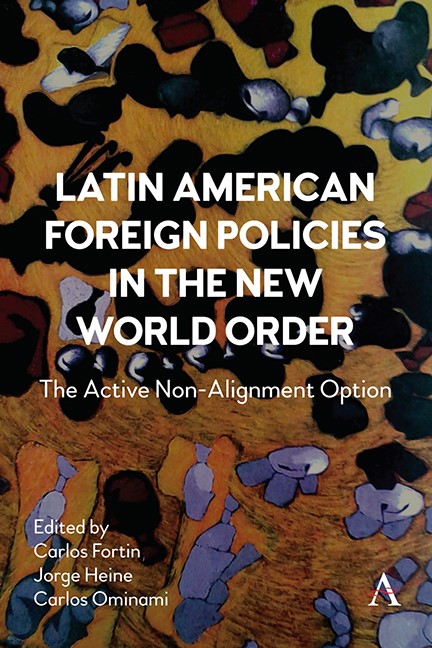
Latin America, with eight percent of the world's population and thirty percent of the world's deaths from COVID-19, is Ground Zero of the pandemic. The region has also had the world's worst economic performance in this period. Moreover, it is presently caught in the Second Cold War that is emerging between the United States and China. In this context, the active non-alignment option constitutes an imaginative and creative way out of the current crisis.
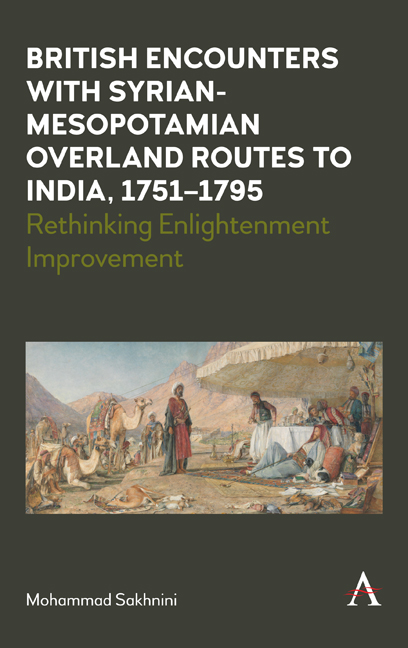
This book argues that eighteenth-century British travel writings about the Arabian Overland Routes to India offered fascinating anecdotes of encounters that allow us to rethink Enlightenment understanding of the meaning of improvement. Travelling among and writing about the inhabitants, government, culture, religion and ruins of Syria and Mesopotamia offered Britons opportunities to pose themselves in their narratives as men of improvement abroad. To that end, travelling appeared in their books as serious attempt to improve their readers' knowledge about a region that many in Britain saw as decayed, barbaric and primitive. But the various encounters British travellers experienced in the region allowed them to negotiate the impact of excessive materialism on the traditions, morality, religion and landscape of eighteenth-century Britain. At the heart of this book's understanding of Enlightenment writings about the Levant is the idea that a journey in a region which many considered as a theatre for the arts, sciences and military conquests in the past and decay in the present represents a fraught relationship modern Europeans had with the past, present and future.
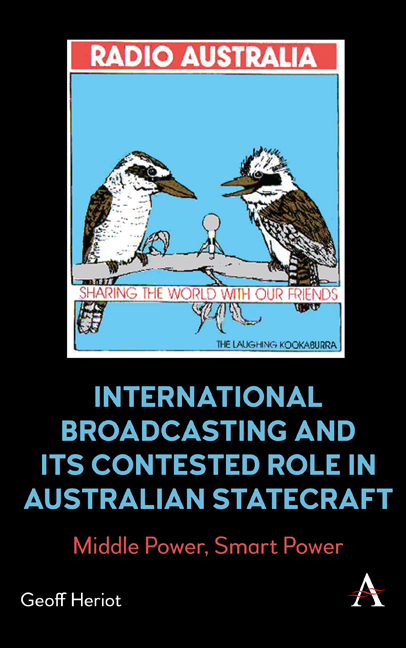
This book offers an insightful reappraisal of international broadcasting as discursive rather than 'soft' power in service of democratic statecraft. This at a time when issues of transnational media, the credibility of news and the perils of disinformation and information warfare, figure worryingly in public discourse. Reflecting the perspective of middle power Australia, author Geoff Heriot locates the strategic utility of multiplatform international broadcasting with reference to contemporary theories of soft/hard/smart power projection and intercultural communication. He applies a fresh model of strategic analysis to the political history of Radio Australia, examining the various external and internal variables that resulted in its flawed success in political communication during the late Cold War period.
Brazil and the Transnational Human Rights Movement, 1964-1985 explores how solidarity for Brazil contributed to the global human rights movement of the 1970s. Through protests, petitions, posters, and numerous other cultural, artistic, and media-based campaigns, solidarity for Brazil popularised the language of human rights and prompted the international community to join the fight against the country's military regime. But solidarity for Brazil also reframed the debate on human rights itself, stretching the concept beyond mainstream interpretations that emphasised the violation of 'basic' individual rights, such as the use of torture and political imprisonment, to also incorporate social and economic rights, inequality, indigenous minorities, and the human rights responsibilities of multinational companies and development projects. Crucial to this process were multiple networks of exiles, catholic activists, journalists, and academics between Brazil and Western Europe, who drew from the Latin American experience to challenge mainstream narratives of human rights from below.
Media Sociology and Journalism is a dialogue on contemporary society as defined through news media, politics and contemporary sociological theory. The tenacity of deeply opposing truth claims in politics and in journalism exposes the current fragility of democracy as a type of society and regime of power. Debates are reviewed on competing explanations of post truth attitudes, the rise of populism, fake news, conspiracy theories, neoliberalism, nihilism, white nationalism and the flights from and to democracy. Focus is on the tenacity of deeply opposing truth claims where each side takes the other's claim to be an existential threat. A dialogical critique of divisions in news media, politics and contemporary sociological theory provides an alternative way forward as right populism, fake news and post truth attitudes render democracy fragile. It is argued that professional journalism also contributes to this fragility when it reports or opines on the most vulnerable subjects in society but does not address them as their imagined audience. The fragility at the heart of democracy, the fine line that once crossed separates freedom from equality or rule by the people from authoritarian demagogues, are further examined through case studies of mainstream acts of journalism on the themes of immigration, urban poverty and cultural diversity.
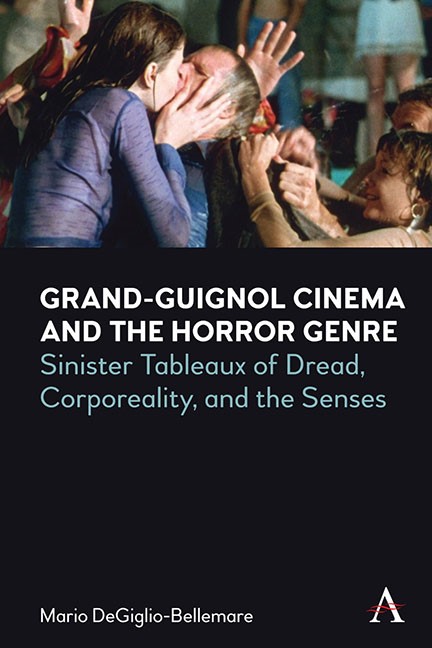
Grand-Guignol Cinema and the Horror Genre traces important contributions of the Parisian Grand-Guignol theatre's Golden Age as theoretical considerations of embodiment and affect in the development of horror cinema in the twentieth century. This study traces key components of the Grand-Guignol stage as a means to explore the immersive and corporeal aspects of horror cinema from the sound period to today. The book is a means to explore the Grand-Guignol not only as a historical place and genre, but also, theoretically, as a conceptual framework that opens up an affective mapping of Grand-Guignol attractions in cinema.
This study's restoration of a long Grand-Guignol tradition in cinema makes it a significant contribution to new theorizations of horror. It brings seemingly disparate traditions into conversation, as American, Canadian, French, and Italian cinema are all important sites for thinking through cinematic embodiment. These four countries have developed their own important genres and movements of Grand-Guignol cinema: the slasher, the 'French Films of Sensation,' Canadian 'body horror' and the giallo. The Grand-Guignol famously operated in a dead-end of Chaptal Street, in the Pigalle district of Paris; this study offers affective and corporeal readings that open up new byways beyond the dead-end of psychoanalytic readings that continues to be dominant in horror genre scholarship.
This Companion contains twelve chapters written by proven experts on Luhmann's social systems theory. Among the contributions are overviews of the development of Luhmann's thinking, introductions to key areas of Luhmann's theory of society and critical assessments of core concepts of his social systems theory approach. The chapters cover the main societal function systems of law, politics, the economy, science, religion and art. Among the chapters are assessments of Luhmann's impact on debates on constitutionalism, cultural studies and critical systems theory. There are finally reflections of scholars on the way and importance of Luhmann's thoughts for their thinking and how Luhmann's theory has shaped their work.
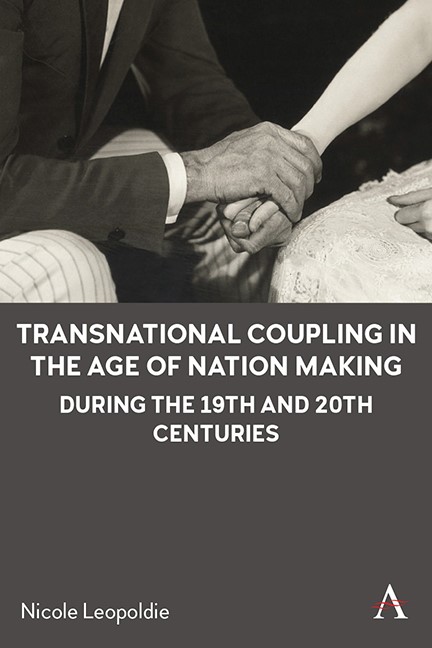
This work examines and compares courtship and marriage patterns that occurred between France and the United States during the nineteenth and twentieth centuries. Departing from state-centered studies of marriage law, it draws on the methodologies of transnational history, cultural history, and the history of emotion to show that these unions were part of a broader pattern of the larger cultural love affair between the two societies.
This monograph treats modes of fictionality in contemporary auto/biography, memoir and autofiction. Adopting a case study approach, it demonstrates the extent to which contexts of production and reception are important in framing generic expectations with respect to the representation of lived experience and in helping to determine the status of the narrator as (fictional) persona or (implied) author.
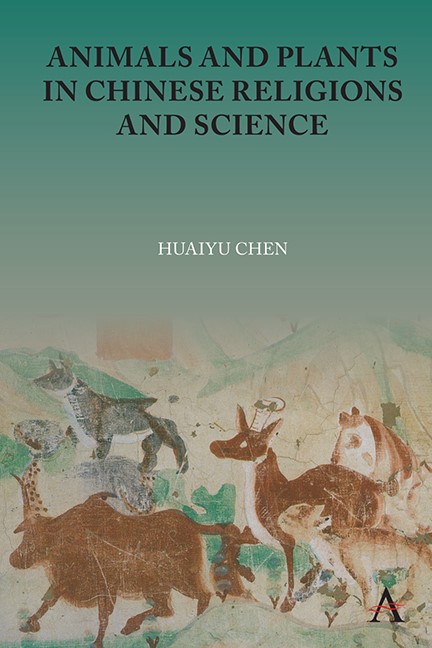
This book is a unique transdisciplinary study on animals and plants in medieval Chinese religions and science, especially in such a critical era of environmental crisis today. In recent years, environment historians have written intensively on China, yet the study of animals and plants in medieval China was less developed, not much about the role of religions, more precisely. This book aims to bridge the gaps between religious studies and environmental studies, between the history of science and religious studies, and between animal studies and plant studies. It also deals with folklores and other literary sources for examining the changing images of animals in the psychological and imaginative experience, which are often overlooked in the conventional scholarship. This book addresses big issues such as how religious agents responded to the challenges about animals and plants as material culture in the mundane world, and how the religious writers developed their different discourse about animals and plants from the state ideology, and how the spiritual world and natural world mutually enriched each other in the medieval world of China.
Although single fathers as primary careers are on the rise, most single-parent households in the US are headed by women. These women are a lucrative market for parenting books and most of these books are aimed at single mothers raising sons. This intersectional study analyses the way in which these advice books draw on mother blame language, misconceptions of neuropsychological research and traditional conceptualisations of masculinity and femininity to convince the mother readers that they are unable to raise a son to be a man. The study further connects the advice books to a cultural backlash against ideas of 'involved fatherhood' and 'caring masculinity', exploring how the authors argue for a return to traditional family structures.
The Critical Situation: Vexed Perspectives in Postmodern Literary Studies comprises a selection of essays that register the situatedness of critical theory and practice amid various intellectual, institutional, and cultural contexts. This book offers examples of situated criticism, which in turn are concerned with the ways in which literary and cultural criticism are and have been situated in relation to a variety of ideological and institutional structures, including those of world literature, American studies, spatial literary studies, cultural critique, globalization and postmodernity. These structures influence the ways that criticism is practiced, and due recognition of their continuing effects is crucial to the success of any meaningful critical practice in the twenty-first century.
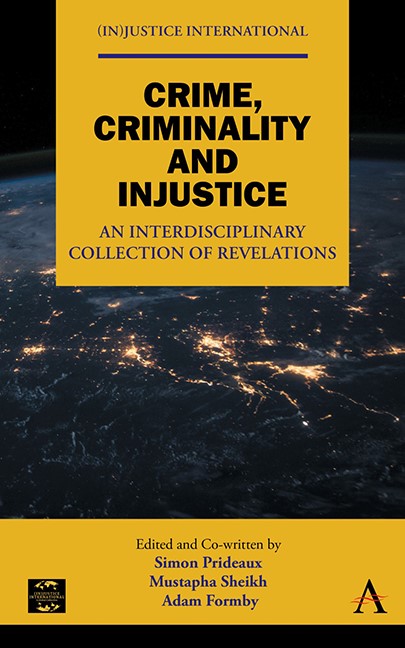
This volume contributes to the growing literature on global (in)justice and (in)equality, seeking in its own unique way to highlight that we are on a dangerous path when we ignore the plight of those who are the weakest, most oppressed and disenfranchised; and that we risk even more when we are complicit in the intransigent and profound injustices they experience. As Blunt (2020) powerfully argued, while for those who this volume is dedicated will possibly not be its readers, it is those readers in positions of power and affluence who need to be reminded and held responsible for their actions and the subsequent consequences.
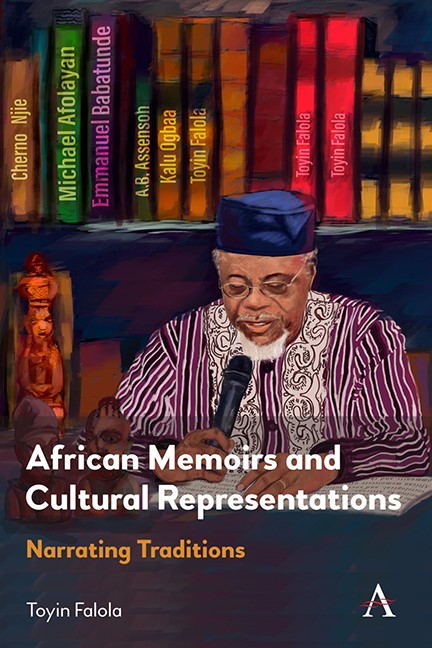
Traditions and cultures represent a set of persisting or prevailing beliefs, social practices, oral, linguistic, and values that define an individual's way of life. In other words, in memoir writing, the emphasis is often to propagate a unilateral need or embrace of self-identity. However, the dominant narrative and method of analysis in this study holds the notion and privileges that tradition and cultures imbibed by memoirists are sometimes subverted, refashioned, or reworked due to the strand of experiences or realities they encounter in different spaces as their narration develops. Thus, memoirists embrace indifference and open-mindedness, which is also greatly explored in the context of autobiography.
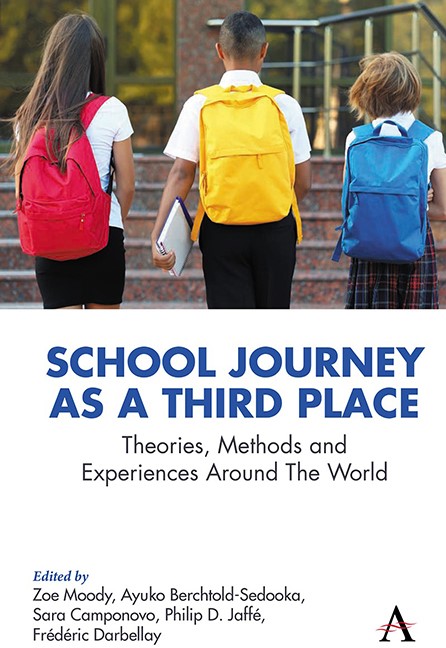
Journeys to school are important time and space transitions between homes and schools for children worldwide. This book comprises various chapters providing insights into children's experiences of this essential aspect of their lives and schooling experience. From an interdisciplinary and intercultural perspective, leading international scholars focus on how children from very different contexts travel between their homes and their schools and how this transitional space impacts their daily lives and interactions with their environment. The way to and from school becomes a third place for some children who develop meaningful social and environmental relationships, mix up with children who belong to different groups, learn, relax, and so on. Studies from a wide range of disciplines and using different methods have highlighted benefits and risks related to children's journey to school, providing insightful data regarding modes of transportation, health and wellbeing issues, school organisation and legislation, safety or urban development, and so on.