To save content items to your account,
please confirm that you agree to abide by our usage policies.
If this is the first time you use this feature, you will be asked to authorise Cambridge Core to connect with your account.
Find out more about saving content to .
To save content items to your Kindle, first ensure no-reply@cambridge.org
is added to your Approved Personal Document E-mail List under your Personal Document Settings
on the Manage Your Content and Devices page of your Amazon account. Then enter the ‘name’ part
of your Kindle email address below.
Find out more about saving to your Kindle.
Note you can select to save to either the @free.kindle.com or @kindle.com variations.
‘@free.kindle.com’ emails are free but can only be saved to your device when it is connected to wi-fi.
‘@kindle.com’ emails can be delivered even when you are not connected to wi-fi, but note that service fees apply.
Shanlan upland rice, as a unique local rice germplasm resource in Hainan comprises abundant genetic diversity. One hundred and sixty two Shanlan upland rice accessions collected from diverse ecological regions in Hainan were systematically characterized based on 11 agronomic traits. The rich genetic diversity was confirmed by phenotypic data from two consecutive years (2023 and 2024). Coefficient of variation ranged from 14.11% to 46.04% in 2023 and from 11.45% to 44.82% in 2024, with panicle-related traits (number of primary branches, grain number of primary branches, number of secondary branches, grain number of secondary branches and grain number per main panicle) exhibiting particularly high variation. Correlation analysis revealed highly significant synergistic effects among yield-related traits. Cluster analysis of the 162 accessions consistently classified them into five major groups across both growing seasons. Through grain number per main panicle and seed setting rate investigation, three excellent resources were selected that demonstrated stable and superior performance in both seasons. Notably, Line 69 exhibited outstanding “large panicles with high seed-setting rate,” producing 261.4 and 305 grains per main panicle in 2023 and 2024, respectively, with seed-setting rates reaching 93.79% and 90.07%. This study presents phenotypic data for Shanlan upland rice, offers high-quality breeding materials for subsequent research, and lays a theoretical groundwork for conserving and exploiting Hainan’s rice resources.
We applied 2 methods of phylogenetic regionalization (evoregions and phyloregions) for the distributions of fleas and their rodent hosts across Mongolia. We investigated the congruence between these 2 regionalization schemes and their alignment with physiographic and ecological subdivisions of Mongolia. We identified evoregions and phyloregions for both fleas and hosts. Ancestral regional distributions were reconstructed, and a phylogenetic correspondence analysis identified key contributing lineages. Using the V-measure, we tested for the congruence between (a) evoregions or phyloregions identified for fleas and evoregions or phyloregions, respectively, identified for their hosts and (b) evoregions and phyloregions identified for either fleas or hosts and each of the physiographic/ecological regionalization schemes of Mongolia. Four evoregions and 8 phyloregions were identified for both fleas and hosts, exhibiting distinct spatial patterns. Host-parasite regionalizations demonstrated moderate spatial similarity (V-measure 0.49–0.50), a significantly higher congruence than previously reported at the larger Palearctic scale (0.33). Flea regionalizations exhibited stronger congruence with environmental schemes than did host regionalizations. We concluded that evoregionalization and phyloregionalization capture distinct evolutionary signals, reflecting the role of in situ diversification vs. phylogenetic turnover resulting from dispersal. Host-parasite co-regionalization is scale-dependent, with increased congruence at regional scales. Despite adult fleas’ obligate host dependence, their regionalization is not merely a passive reflection of host biogeography but is also profoundly shaped by environmental conditions. These findings emphasize the importance of method choice, scale and eco-evolutionary interactions in shaping complex biogeographic patterns.
This study investigates how the consumption of interesterified palm oil (IPO) affects the metabolic and morphological features of brown adipose tissue (BAT) in C57BL/6 mice fed a high-fat diet. Mice were divided into four groups: control, high-fat diet (lard), high-fat diet with palm oil (PO; HFP) and high-fat diet with IPO (HFI). The HFP and HFI groups exhibited significant body weight gain, increased fat mass and impaired glucose metabolism. Histological analyses revealed lipid infiltration in BAT, leading to structural remodelling from multilocular to unilocular adipocytes, which are hallmark features of the whitening process. This morphological shift was accompanied by reduced nuclear density and impaired vascularisation. Gene expression analysis indicated downregulation of key thermogenic markers, including Ucp1, Pparγ and Prdm16, especially in the HFI group. Increased expression of endoplasmic reticulum stress markers such as Chop and Atf4 and inflammatory cytokines (TNF-α and IL-6) highlighted the pro-inflammatory and pro-apoptotic microenvironment induced by PO and IPO. These changes culminated in a loss of BAT thermogenic capacity, as evidenced by decreased uncoupling protein 1 levels and impaired adaptive thermogenesis. Our findings underscore the detrimental effects of PO, mainly IPO, on BAT functionality, exacerbating obesity-related metabolic dysfunctions such as insulin resistance and glucose intolerance. The results emphasise the need for caution in the dietary use of these fats, particularly in ultra-processed food formulations, given their potential role in promoting adipose tissue remodelling and metabolic imbalances.
Recent reports of glyphosate-resistant (GR) waterhemp pose serious concerns among crop producers in New York. Field experiments were conducted in 2019 and 2020 near Waterloo, New York, to evaluate the effectiveness of preemergence, postemergence, preemergence followed by (fb) postemergence, and preemergence herbicides fb row cultivation (RC) to control glyphosate-resistant (GR) waterhemp in dicamba-resistant (DR) soybean. In 2019, all two-pass herbicide treatments resulted in significantly reduced GR waterhemp densities (2 to 13 plants m−2) compared with nontreated plots (160 plant m−2) at 8 wk after preemergence/2 wk after postemergence, reductions in shoot dry biomass (85% to 99% of nontreated), and greater soybean grain yields (2,659 to 2,936 kg ha−1). In addition, flumioxazin, acetochlor, chlorimuron + flumioxazin + metribuzin, acetochlor + fomesafen + metribuzin, carfentrazone + sulfentrazone + metribuzin, and S-metolachlor + sulfentrazone + metribuzin applied preemergence resulted in significant reductions in GR waterhemp density (3 to 19 plants m−2) and shoot dry biomass (60% to 98% of nontreated). In 2020, most preemergence (except cloransulam), postemergence only, and preemergence fb postemergence herbicide application strategies resulted in lower densities of GR waterhemp (1 to 46 plants m−2) compared with nontreated plots (104 plants m−2) at 8 wk after preemergence/2wk after postemergence and lower shoot dry biomass (66% to 99% of nontreated). All two-pass strategies as well as metribuzin, acetochlor + fomesafen + metribuzin, carfentrazone + sulfentrazone applied preemergence resulted in higher grain yields (3,343 to 4,244 kg ha−1). These results conclude that two-pass strategies tested in this research can consistently provide effective control of GR waterhemp in DR soybean in New York.
Antarctic ice-free coastal environments, like the Vestfold Hills (East Antarctica), are shaped by a complex interplay of physical processes. This study synthesizes new data and existing research from the Vestfold Hills across marine, terrestrial and cryosphere science, meteorology, geomorphology, coastal oceanography and hydrology to explore interconnected processes ranging from icescape morphology and sediment transport to ocean-floor scouring and ocean-atmosphere interactions. Coastal landforms and habitats result from the interaction of marine dynamics with the aeolian and fluvial transport of glacially derived sediments and geomorphic features. Rocky shorelines dominate the region, and extensive fjords are prominent coastal features, whereas intertidal sediments and beaches are scarce. The marine environment is characterized by slow currents, low-energy waves, annually variable land-fast ice, irregular sedimentation rates and a geomorphologically complex shoreline. Aeolian and fluvial sediment deposition into coastal waters and onto sea ice can significantly impact local ecological and physical processes. Human activity further modifies these dynamics. Ice-free coastal areas such as the Vestfold Hills are predicted to experience substantial environmental shifts due to climate change. Wind speeds, temperature and precipitation are increasing in the Vestfold Hills. Retreating grounded ice sheets are likely to expand this coastal area and increase meltwater and sediment inputs into nearshore marine systems. Concurrently, changes in sea-ice extent, thickness and/or duration may profoundly alter the structure and function of this coastal environment.
The dietary antioxidant quality score (DAQS) is a valid and reliable tool for assessing the overall antioxidant potency of a diet by considering the synergetic effects of dietary antioxidants. Non-alcoholic fatty liver disease (NAFLD) is linked to the imbalance of the body’s oxidant and antioxidant defense system. The objective of the present research was to investigate the possible associations between DAQS and odds of NAFLD in a large population of the Azar cohort study. The present propensity score–matched case–control study was applied to a population of 14 655 individuals. Demographic, anthropometric and dietary data were gathered, and biochemical markers were measured. The DAQS was evaluated based on the daily dietary intake of vitamin E, vitamin A, vitamin C, Se and Zn, compared with the daily recommended intake. The multivariable logistic regression analysis was employed to determine the association between DAQS with NAFLD-related outcomes. After propensity score matching based on age, gender and body mass index (BMI), participants were allocated into NAFLD (n 660) and non-NAFLD (n 1234) groups. Findings indicated significant differences in age, weight, BMI, waist:hip ratio, TAG, HDL-cholesterol and LDL-cholesterol and dietary intake between percentiles of DAQS in NAFLD patients. Nonetheless, no significant associations were observed between DAQS and NAFLD before and after propensity score matching. Comparing the results to prior research underlines the need for a comprehensive approach for exploring the association between dietary antioxidants, serum antioxidant level and biochemical indices in NAFLD, which is essential for the efficient clarification of the underlying mechanisms.
Breast cancer is the second leading cause of cancer-related deaths among women globally and the most prevalent cancer in women. Artificial intelligence (AI)-based frameworks have shown great promise in correctly classifying breast carcinomas, particularly those that may have been difficult to discern through routine microscopy. Additionally, mitotic number quantification utilizing AI technology is more accurate than manual counting. With its many advantages, such as improved accuracy, efficiency and consistency as shown in this literature review, AI has promise for significantly enhancing breast cancer diagnosis in the clinical world despite the paramount obstacles that must be addressed. Ongoing research and innovation are essential for overcoming these challenges and effectively harnessing AI’s transformative potential in breast cancer detection and assessment.
Pregnant women are particularly vulnerable to stress and depression, which can negatively impact birth outcomes and maternal care practices. This study aimed to investigate the prevalence and determinants of stress, depression, and common mental disorders (CMDs) among pregnant women in East Lombok, Indonesia, during the COVID-19 pandemic. This cross-sectional study was part of the Action Against Stunting Hub. Data on maternal characteristics, dietary intake, anthropometry, and biochemical status were collected. Mental health was assessed during the second and third trimesters using validated instruments, the Perceived Stress Scale (PSS-14), Edinburgh Postnatal Depression Scale (EPDS), and Self-Reporting Questionnaire (SRQ-20). The prevalence of maternal stress, depression, and CMDs was 86.3%, 26.5%, and 29.7%, respectively. CMDs were associated with iron deficiency (aOR 1.61) and not receiving government assistance (aOR 1.48). Low adherence to a healthy and diverse diet, i.e., limited intake of grains, tubers, eggs, fruits, and vegetables, was associated with increased odds of antenatal stress (aOR 1.59) and common mental disorders (aOR 1.60). For depression, significant factors included higher maternal education (aOR 2.27), low-to-moderate social support (aOR 1.72), and adherence to an unhealthy dietary pattern characterized by high sugar and fat intake (aOR 1.47). Targeted nutrition interventions, including food-based dietary recommendations (FBDR) and social safety net programs, are essential during pregnancy to support nutrient intake. In addition to addressing iron deficiency, integrated approaches that promote dietary diversity, provide government support to low-income households, and strengthen social support networks are recommended to improve maternal mental health outcomes.
Fall panicum (Panicum dichotomiflorum Michx.) is an annual allochthonous grass weed currently spreading in maize (Zea mays L.) fields in Spain. In the summer of 2022, poor control of P. dichotomiflorum with the acetolactate synthase (ALS)-inhibiting herbicide nicosulfuron was reported in two maize fields: Gerb, Catalonia (GB-R), and Sodeto, Aragon (SO-R), with a history of repeated nicosulfuron use. While target-site resistance (TSR) has previously been reported in this species, non–target site resistance (NTSR) to ALS inhibitors has not yet been documented. The objectives of this study were to (1) confirm and quantify nicosulfuron resistance in the putative resistant populations GB-R and SO-R relative to the susceptible population TS-S; (2) characterize the presence of TSR mutations in the ALS gene; and (3) assess the potential involvement of NTSR via enhanced metabolism mediated by cytochrome P450 monooxygenases (P450s) and glutathione S-transferase (GSTs). Dose–response assays confirmed that GB-R and SO-R populations were 29- and 37-fold more resistant than the TS-S population. However, co-application of nicosulfuron with the P450 inhibitor piperonyl butoxide (PBO) and the GST inhibitor 4-chloro-7-nitrobenzofurazan (NBD-Cl) significantly reduced resistance in both populations. In GB-R, GR50 values declined from 66.3 g ai ha–1 (nicosulfuron alone) to 15.8 g ai ha–1 with PBO and 6.5 g ai ha–1 with NBD-Cl, both well below the recommended field rate (40 g ai ha–1), corresponding to 76% and 90% resistance reductions, respectively. Similarly, in SO-R, GR50 values declined from 83.8 g ai ha–1 to 16.8 g ai ha–1 with PBO and 15.7 g ai ha–1 with NBD-Cl, representing 80% and 81% resistance reductions. Sequencing of the ALS gene revealed no known target-site mutations, and ALS enzyme activity did not significantly differ between R and S populations. These results suggest that nicosulfuron resistance in two Spanish P. dichotomiflorum populations is potentially associated with enhanced metabolism mediated by P450 and GST enzymes, providing the first worldwide evidence of NTSR in this species.
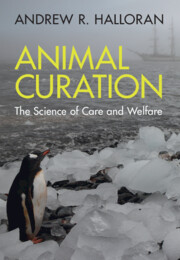
Animal curation is a vital and evolving discipline that integrates science, policy, and hands-on care to ensure the highest standards of animal welfare. As the role of zoos, aquaria, sanctuaries, and research facilities expands beyond exhibition to conservation and education, the management of animals under human care has become increasingly scientific. This book provides a comprehensive guide to the organisation, policies, and procedures essential for effective animal care programs. It emphasises evidence-based practices in husbandry, veterinary care, and facility management while prioritising both animal well-being and staff safety. Through detailed chapters and real-world case studies, readers will explore species-specific needs, ethical considerations, and regulatory compliance. Designed for students and professionals in animal science, welfare, and conservation, this book moves beyond basic care, focusing on the concept of 'thriving' rather than mere survival. It is an essential resource for shaping the future of animal management and welfare.
This chapter describes how the behavior of biomaterials under different operating conditions is assessed for safety and efficacy during the medical device design process. The intrinsic properties of biomaterials are evaluated for various requirements such as their mechanical integrity and their reactions to their immediate environment. A selection of standard testing methods to predict the behavior of materials under different conditions are discussed in this chapter.
This chapter discusses the fundamentals of tissue engineering and the different cell types that are pertinent to this field. Typical scaffold fabrication techniques as well as common methods used to evaluate scaffolds, cell growing on scaffolds, and neo-tissue are also presented.
Metals used for medical devices and their properties are discussed in this chapter. Phase diagrams for each metal are also included to help students understand the importance of temperature and its role in determining a specific phase and structure.
Factors affecting protein structures and properties, formation of monolayers, forces influencing protein interactions and how proteins are adsorbed on different biomaterial surfaces are presented in this chapter. In addition, some of the commonly used methods to understand the behavior of adsorbed proteins are briefly discussed.
The chapter presents the fundamentals and importance of sterilization. Different methods used to sterilize medical implants are discussed, together with the principles behind determining the type of sterilization method suitable for an application.
The two-year study (2020–2022) investigated the effects of seed hydropriming, supplementary irrigation and foliar amino acid application on a rainfed wheat cultivar at Ekbatan Research Station, Hamedan, Iran. Conducted in a randomized complete block design with three replications and a factorial arrangement, the experiment evaluated three factors: supplementary irrigation (applied at sowing, flowering, grain filling or no irrigation), seed hydropriming (soaking seeds in tap water for 10 hours vs. unprimed) and foliar sprays (lysine, methionine at 50 mg/l, or water) at the heading stage. The absence of supplementary irrigation maximized leaf soluble protein content. Foliar application of amino acids reduced leaf proline levels by 5 %. The highest proline accumulation was observed in the second year under non-irrigated and unprimed conditions. Supplementary irrigation during flowering and methionine foliar spray decreased catalase activity by 9.7 and 2.6 %, respectively, compared to their controls. In the second year, with an 18 % reduction in rainfall, seed hydropriming increased superoxide dismutase activity by 28 %, carotenoid content by 21 % and grain yield by 28.6 % compared to unprimed seeds. Supplementary irrigation at flowering with seed hydropriming enhanced total chlorophyll by 39.1 % relative to unprimed seeds. Methionine application increased grain yield by 5.4 % compared to water spray. Therefore, seed hydropriming with tap water, supplementary irrigation at flowering and methionine foliar application are recommended to enhance rainfed wheat growth and yield in Hamedan.
Different types of biocompatibility testing such as cytotoxicity; sensitization; irritation acute, subacute, subchronic, and chronic systemic toxicity; pyrogenicity; genotoxicity; implantation; hemocompatibility; carcinogenicity; reproductive and developmental toxicity are discussed in this chapter.
This introductory chapter provides a brief history of biomaterials, and the emphasis over the years on ensuring the viability of implants for the desired time and their interaction with the biology of the body. It discusses the importance of first understanding the type of chemical bonds that hold atoms together and how these bonds impart physical, chemical, and mechanical properties to the materials. These properties render biomaterials more or less appropriate for different medical applications as well as determine the body’s response to them.
Different surface modification techniques to modify surfaces of medical devices including principles underlying these surface modification techniques and advantages and limitations of each technique are discussed in this chapter.
Key components of the extracellular space together with the principal proteins and pathways that cells utilize to interact, different adhesion mechanisms, and the role of cell material environment are discussed in this chapter.