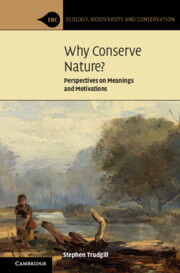

How we view nature transforms the world around us. People rehearse stories about nature which make sense to them. If we ask the question 'why conserve nature?', and the answers are based on myths, then are these good myths to have? Scientific knowledge about the environment is fundamental to ideas about how nature works. It is essential to the conservation endeavour. However, any conservation motivation is nested within a society's meanings of nature and the way society values it. Given the therapeutic and psychological significance of nature for us and our culture, this book considers the meanings derived from the poetic and emotional attachment to a sense of place, which is arguably just as important as scientific evidence. The functional significance of species is important, but so too is the therapeutic value of nature, together with the historic and spiritual meanings entwined in a human feeling for landscape and wildlife.
‘… this book will help the … reader to think through their values and their relationship with nature… I encourage the readers … to buy this book, let Trudgill's seminars reshape their thinking, and (re)discover for themselves why we should conserve nature.’
George Holmes Source: Oryx
‘… I found the author’s profoundly personal engagement with the material endearing. The volume is littered with references to art, literature, poetry, and philosophy, leaving readers with the impression of a well-read and highly cultured scholar sharing a lifetime of experience and thought with lucky readers. He had clearly thought long and hard about the material, taught it, and wrote about it extensively. The resulting text reflects this personal journey of thinking, teaching, and writing. As I read it, I had the feeling of sitting down with a master in the twilight of his career and hearing what he had learned.’
Jonathan A. Newman Source: The Quarterly Review of Biology
Loading metrics...
* Views captured on Cambridge Core between #date#. This data will be updated every 24 hours.
Usage data cannot currently be displayed.
This section outlines the accessibility features of this content - including support for screen readers, full keyboard navigation and high-contrast display options. This may not be relevant for you.
Accessibility compliance for the PDF of this book is currently unknown and may be updated in the future.
