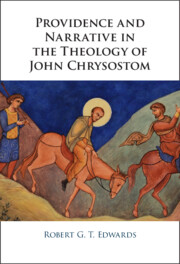

This book is the first major study of providence in the thought of John Chrysostom, a popular preacher in Syrian Antioch and later archbishop of Constantinople (ca. 350 to 407 CE). While Chrysostom is often considered a moralist and exegete, this study explores how his theology of providence profoundly affected his larger ethical and exegetical thought. Robert Edwards argues that Chrysostom considers biblical narratives as vehicles of a doctrine of providence in which God is above all loving towards humankind. Narratives of God's providence thus function as sources of consolation for Chrysostom's suffering audiences, and may even lead them now, amid suffering, to the resurrection life-the life of the angels. In the course of surveying Chrysostom's theology of providence and his use of scriptural narratives for consolation, Edwards also positions Chrysostom's theology and exegesis, which often defy categorization, within the preacher's immediate Antiochene and Nicene contexts.
‘This book is an exemplary piece of scholarship on John Chrysostom’s theology of providence and pastoral care. Edwards’s judicious reading of Chrysostom pays close attention to comparative work to demonstrate that this patristic writer does not fit easily within established categories of the history of exegesis.’
Ashish J. Naidu Source: Scottish Journal of Theology
Loading metrics...
* Views captured on Cambridge Core between #date#. This data will be updated every 24 hours.
Usage data cannot currently be displayed.
This section outlines the accessibility features of this content - including support for screen readers, full keyboard navigation and high-contrast display options. This may not be relevant for you.
Accessibility compliance for the PDF of this book is currently unknown and may be updated in the future.
