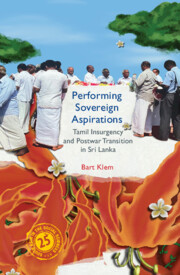

In a society that experiences secessionist conflict, many things are not what they seem. This book adopts a performative perspective to understand the peculiar institutional landscape the ensued around the Tamil separatist conflict in Sri Lanka, both during and after the civil war. It draws on two decades of fieldwork across towns and villages in northern and eastern Sri Lanka, ethnography within Sri Lanka's civil service, and privileged access to Norwegian-facilitated peace process. This yields a compelling analytical narrative that shows how political institutions are enacted and witnessed, rather than cataloguing them in the strictures of the law. This provides a fertile vantage point to address the to-be-or-not-to-be dilemmas that we face when seeking to interpret the legitimacy, legality, and validity of the institutions that separatist movements create in aspiration of sovereign status. And as such, this book provides food for thought for broader conceptual debates concerning armed conflict and insurgency. This title is available Open Access.
Loading metrics...
* Views captured on Cambridge Core between #date#. This data will be updated every 24 hours.
Usage data cannot currently be displayed.
This section outlines the accessibility features of this content - including support for screen readers, full keyboard navigation and high-contrast display options. This may not be relevant for you.
Accessibility compliance for the PDF of this book is currently unknown and may be updated in the future.
