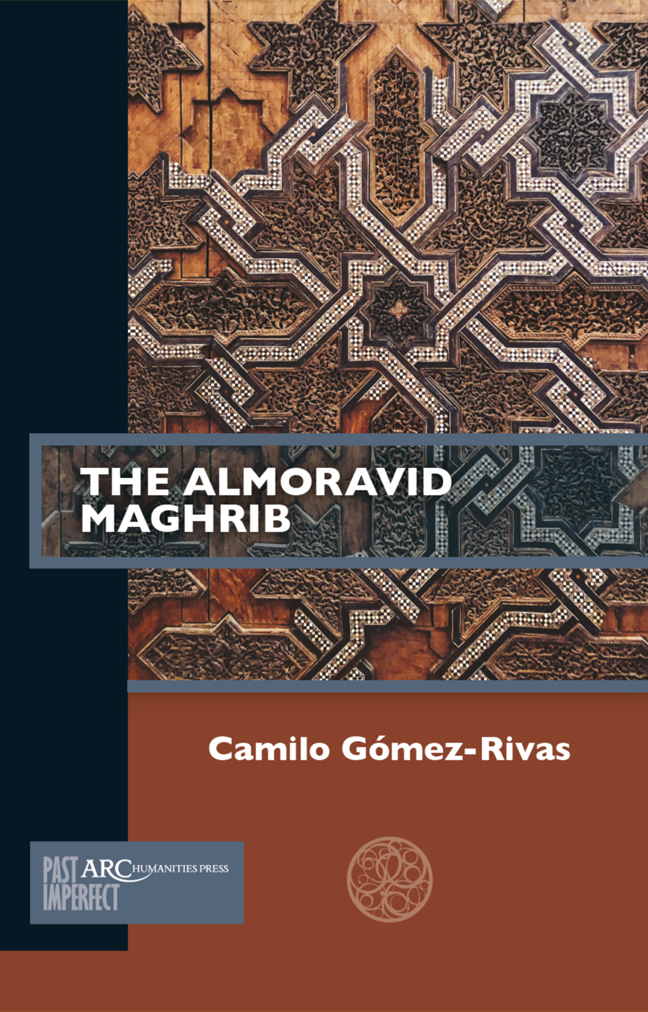
The Almoravid Maghrib

-
The digital format of this book is no longer available to purchase from Cambridge Core. Other formats may be available.
-
Select format
-
- Publisher:
- Amsterdam University Press
- Publication date:
- 20 February 2024
- 30 November 2023
- ISBN:
- 9781802701432
- 9781641890854
- Dimensions:
- Weight & Pages:
- Dimensions:
- Weight & Pages:
- Series:
- Past Imperfect
Show more authors 
You may already have access via personal or institutional login
Book description
The Almoravid Maghrib uncovers the richness and complexity of a neglected past. A pivotal moment in the history of North Africa, the rise of the Almoravids brought a corner of the Maghrib into closer contact with the world around. From the Cid to the Seljuqs, the Almoravids impressed contemporaries in ways no Maghribi regime had, signalling a transformation of western North Africa through burgeoning trans-Saharan and trans-Mediterranean commerce, urbanization (two of Morocco's four imperial cities were founded), and the epic encounter with the Christian, Muslim, and Jewish cultures of Iberia. The Almoravids witnessed a series of key transformations and beginnings, including the introduction of one of the area's most successful gold currencies, the formulation of a new religious orthodoxy, the parallel rise of counter-movements (popular, messianic, and spiritual), and the inception of pan-Maghribi-Andalusi artistic, literary, and architectural styles.
Contents
Contents
Metrics
Full text views
Full text views helpTotal number of HTML views: 0
Total number of PDF views: 0 *
 Loading metrics...
* Views captured on Cambridge Core between #date#. This data will be updated every 24 hours.
Usage data cannot currently be displayed.
Accessibility standard: Unknown
Why this information is here
This section outlines the accessibility features of this content - including support for screen readers, full keyboard navigation and high-contrast display options. This may not be relevant for you.
Accessibility Information
Accessibility compliance for the PDF of this book is currently unknown and may be updated in the future.