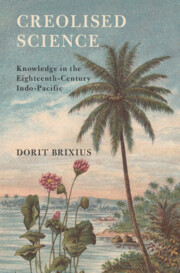

This rich, deeply researched study offers the first comprehensive exploration of cross-cultural plant knowledge in eighteenth-century Mauritius. Using the concept of creolisation – the process by which elements of different cultures are brought together to create entangled and evolving new entities – Brixius examines the production of knowledge on an island without long-established traditions of botany as understood by Europeans. Once foreign plants and knowledge arrived in Mauritius, they were adapted to new environmental circumstances and a new socio-cultural space. Brixius explores how French colonists, settlers, mediators, labourers and enslaved people experienced and shaped the island's botanical past, centring the contributions of subaltern actors. By foregrounding neglected non-European actors from both Africa and Asia, within a melting pot of cultivation traditions from around the world, she presents a truly global history of botanical knowledge.
‘This book presents a detailed analysis based on careful study of archival sources to provide a complex picture of the social and sometimes political factors involved in the successful propagation of the plants of Mauritius and the knowledge, both practical and scientific, that resulted from the combined efforts of the island’s creolized population … Recommended.’
J. W. Dauben Source: CHOICE
‘… a valuable addition to the growing corpus of literature that roots global knowledge-making in its local contexts.’
Anna Winterbottom Source: American Historical Review
Loading metrics...
* Views captured on Cambridge Core between #date#. This data will be updated every 24 hours.
Usage data cannot currently be displayed.
This section outlines the accessibility features of this content - including support for screen readers, full keyboard navigation and high-contrast display options. This may not be relevant for you.
Accessibility compliance for the PDF of this book is currently unknown and may be updated in the future.
